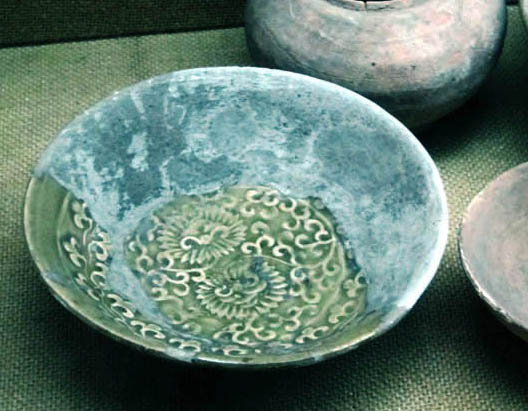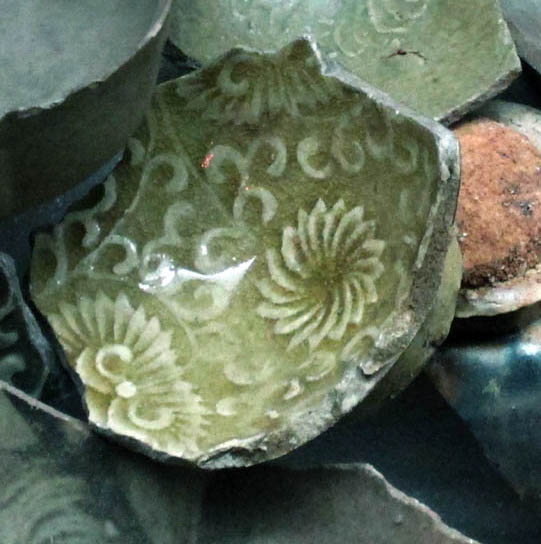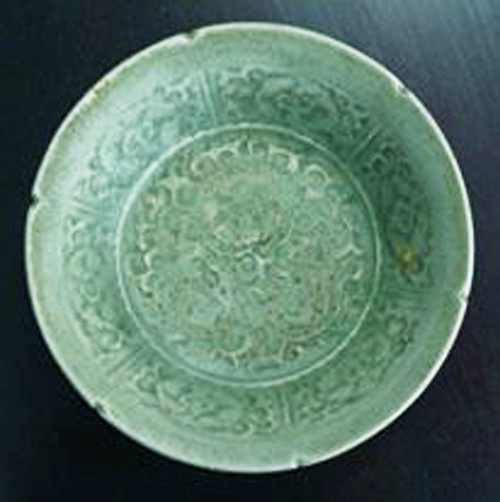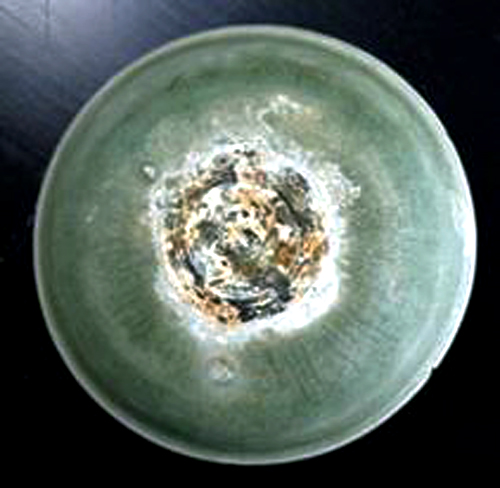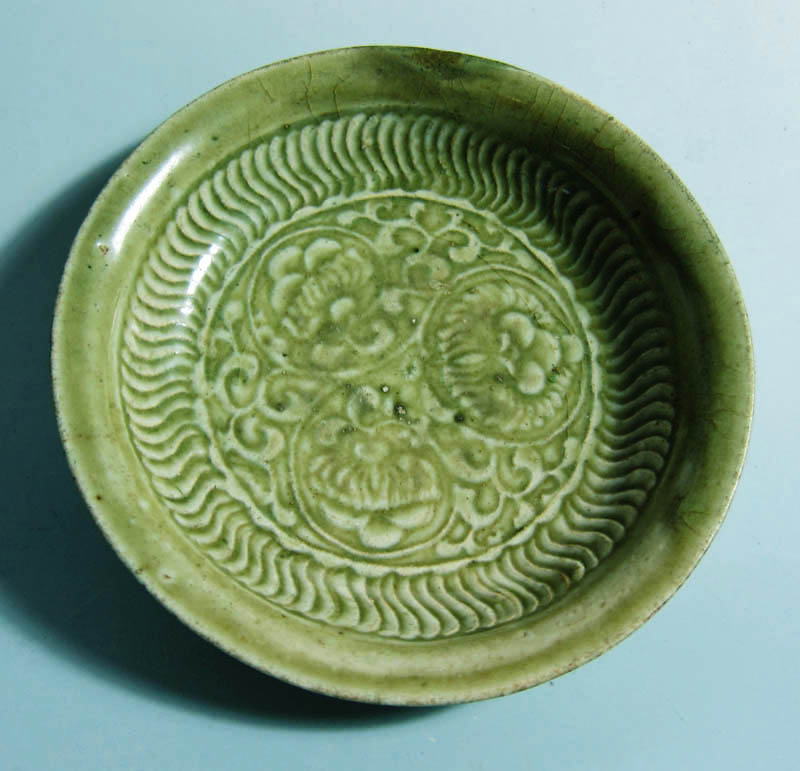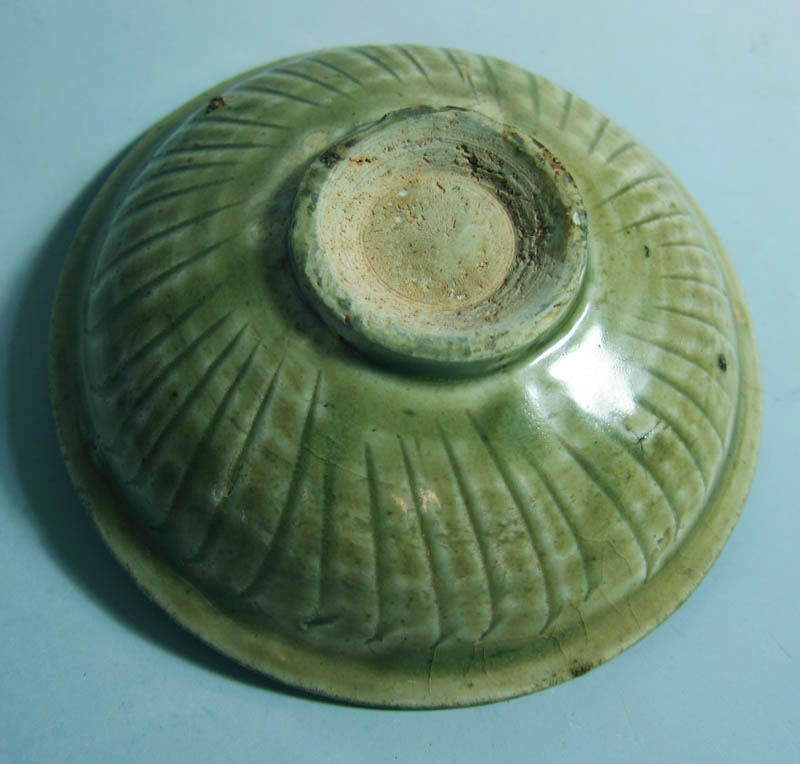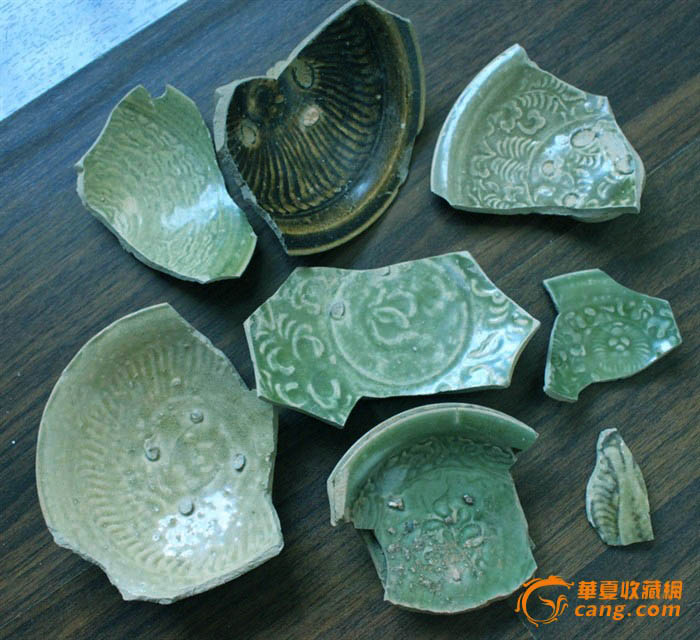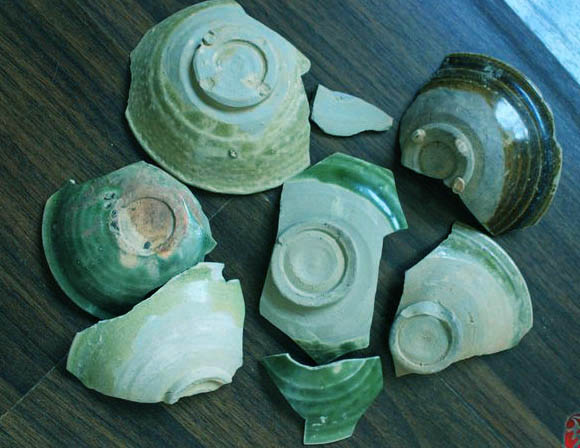
The Yaozhou Kiln is one of the most famous ancient ceramic kilns in China, located in present-day Tongchuan City, Shaanxi Province. Tongchuan was historically known as Tongguan and was under the jurisdiction of Yaozhou during the Song Dynasty, hence the ceramics kilns in the region were named Yaozhou Kiln. The central kiln site of Yaozhou Kiln was in Huangbu Town, with other sites in Chenlu Town, Lidi Slope, Shangdian, and Yuhua Palace.
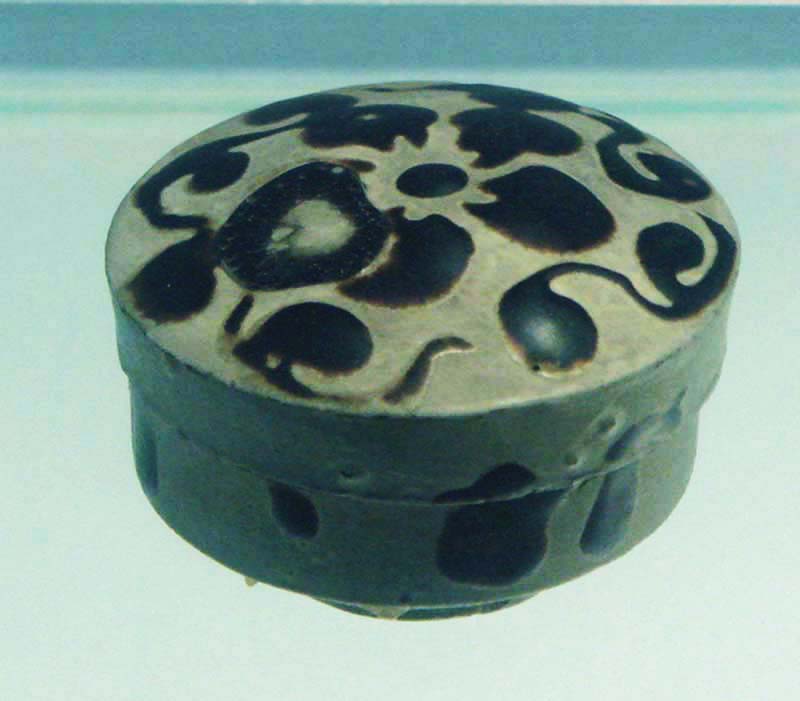
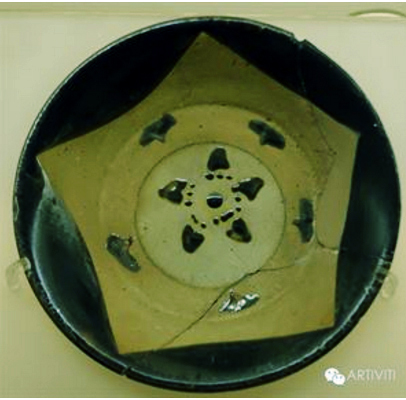
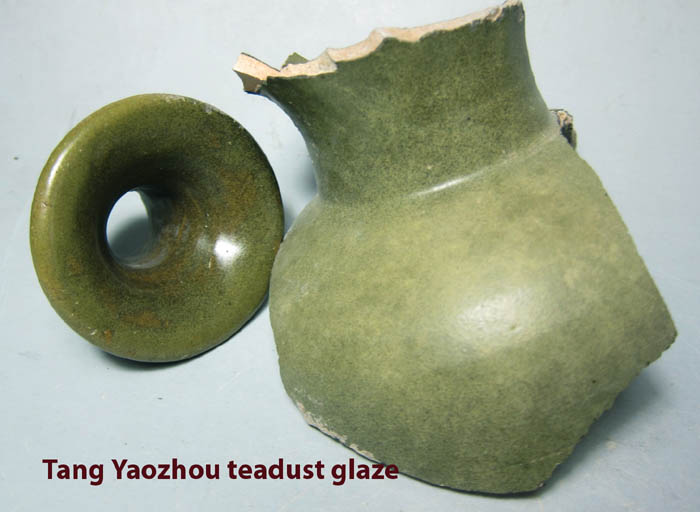
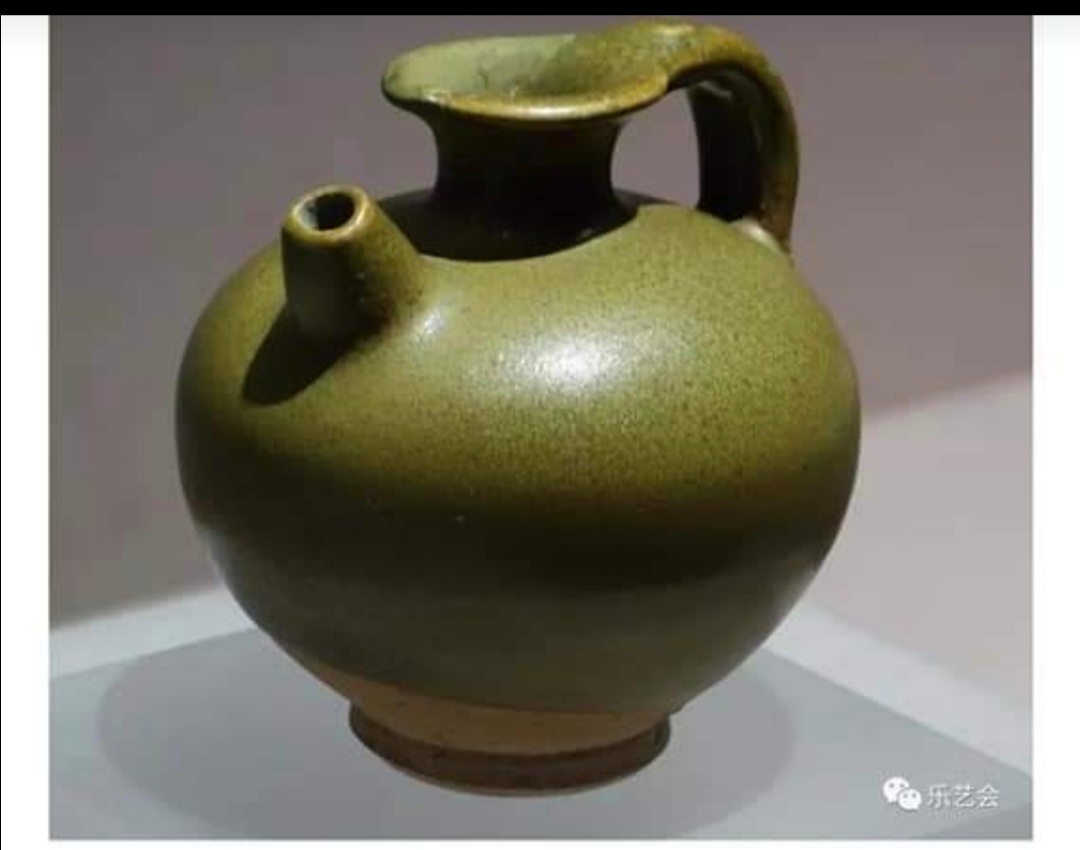
Archaeological discoveries confirm that as early as the Tang Dynasty, Yaozhou Kiln had already begun using local porcelain clay to produce ceramics. These ceramics came in a wide variety of glazes, including tea-dust glaze, white glaze, celadon glaze, black glaze, white glaze with green decoration, celadon glaze with white decoration, white glaze with brown decoration, plain black-glazed painted ceramics, and floral ceramics. Additionally, it produced tri-colored glazed pottery, known for its luxurious and vibrant appearance, making Yaozhou Kiln one of the most diverse ceramic producers of its time.
|
|
| Tang Yaozhou covered box with brown glaze decoration (Shanghai Museum) |
|
|
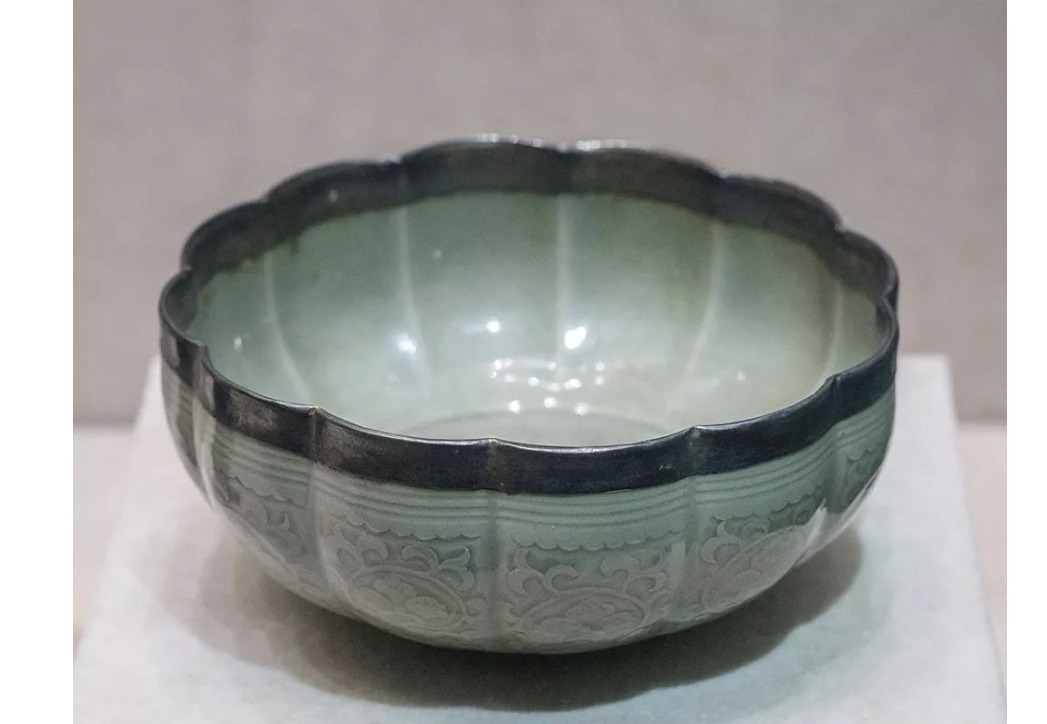
| Bowl with brown glaze decoration (Yaozhou Museum) |
|
|
|
|
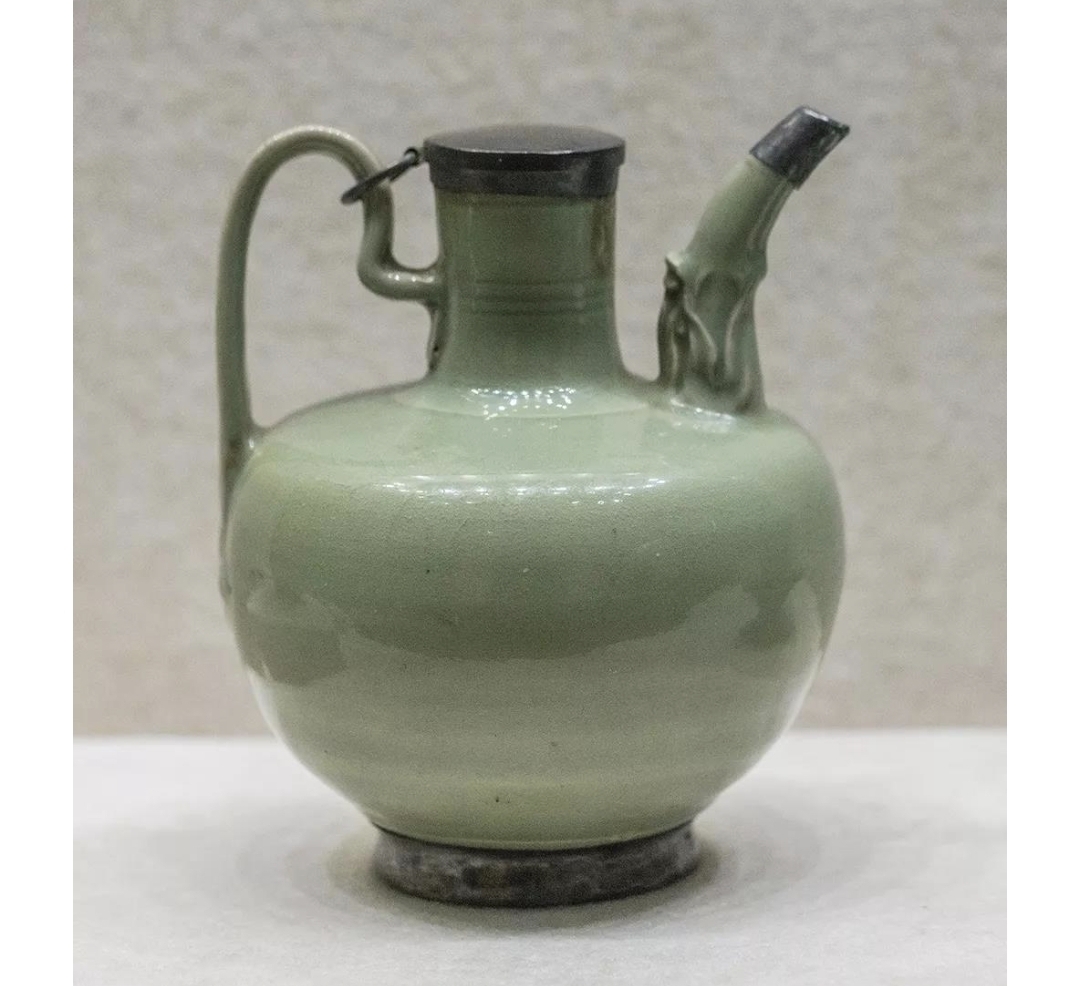
| Tang Yaozhou teadust glaze ewer |
Yaozhou also produced unique green-glazed wares with carved designs inlaid with white slip. While these were less popular domestically, they influenced Korean ceramics.
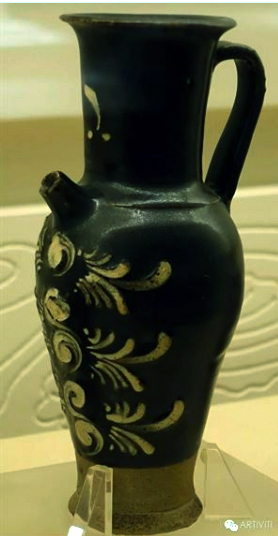 |
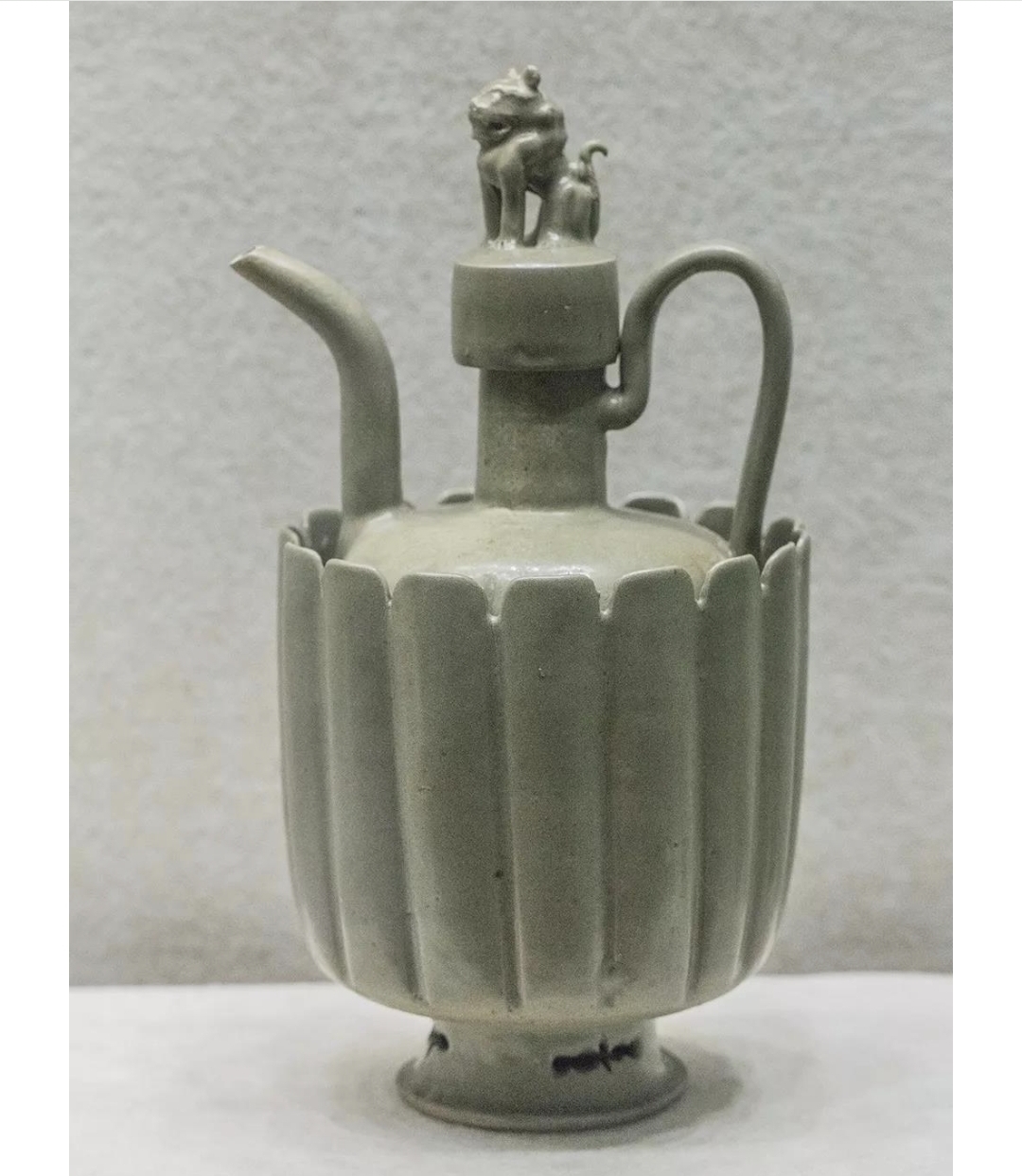
| Ewer with inlaid slip decoration (Yaozhou Museum) |
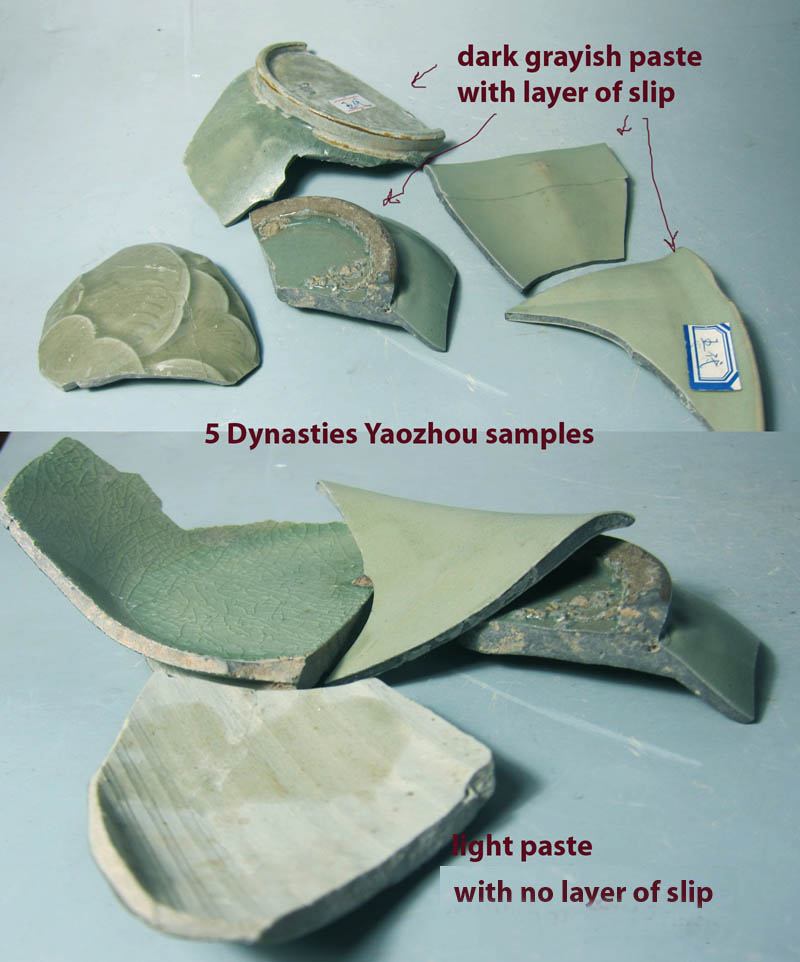
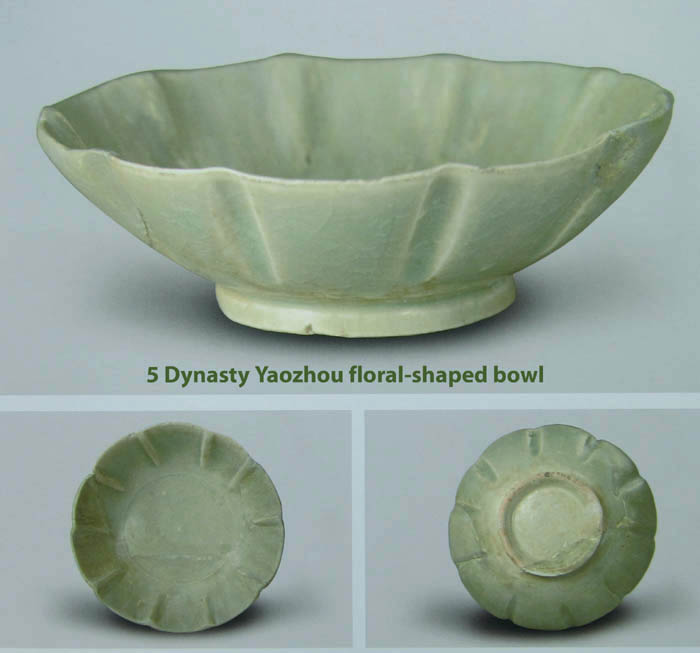
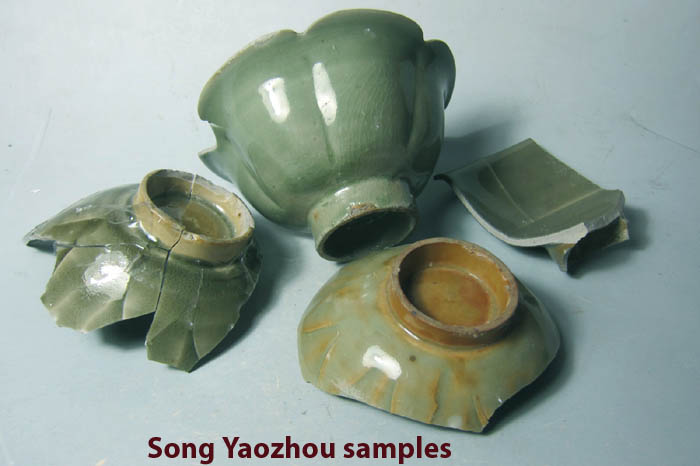
The celadon produced during the Five Dynasties period at Yaozhou Kiln displayed a light sky-blue color. The glaze layer was thin and uniform with a glossy surface. The forms included bowls, cup stands, cups, plates, vases, jars, and pots, all characterized by their elegant shapes, thin and lightweight bodies, and exquisite craftsmanship. Some were simply coated with a sky-blue glaze, while others featured decorative techniques such as carved, incised, stamped, or openwork designs, sometimes with molded motifs of birds, turtles, fish, and phoenixes at the bottom of wine cups.
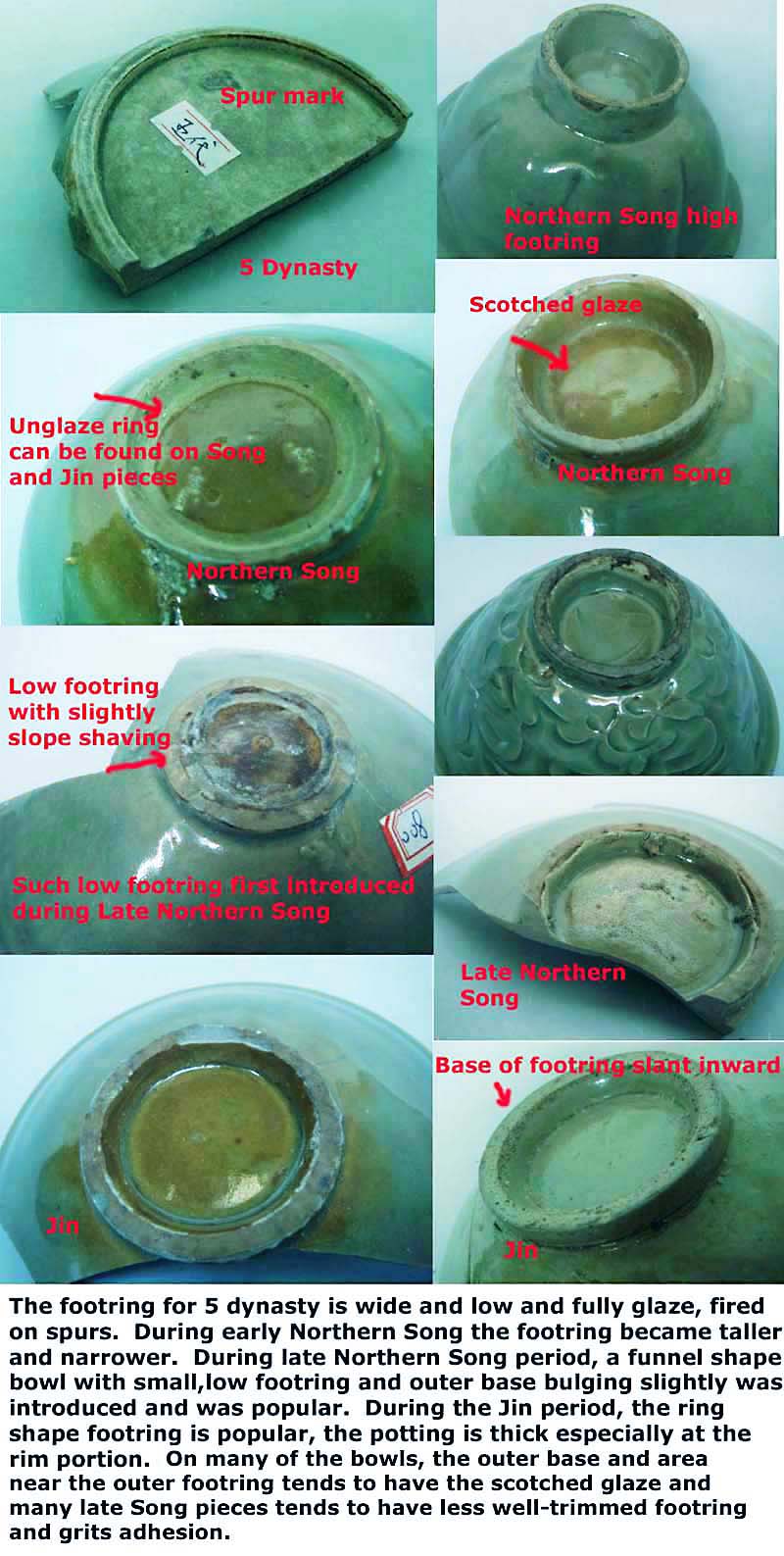
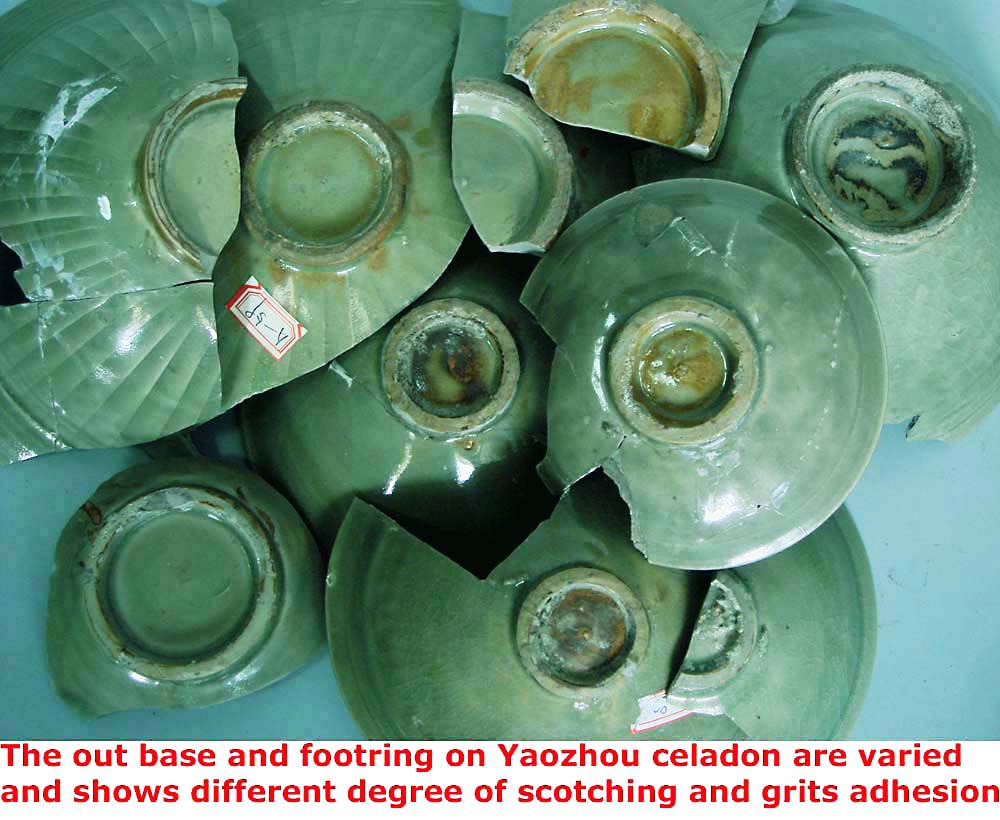
Some plates and bowls had outward-flaring foot rims and fully glazed bases, similar to the Yue Kiln celadon from the Tang Dynasty. Due to this glazing method, firing techniques included setting vessels on clusters of sand particles or using support pins, resulting in residual sand grains on the foot rims or three to five small support marks on the base. The glaze surface often developed fine crackles, resembling the later celadon of the Northern Song Ru Kiln. The discovery of Five Dynasties celadon from Yaozhou Kiln not only filled a gap in the history of northern celadon production but also revealed influences on the firing techniques of the Northern Song Ru Kiln.
One particularly noteworthy find was a celadon bowl with an inscribed "官" (official) mark, suggesting that Yaozhou Kiln produced tribute ceramics for the imperial court or government.
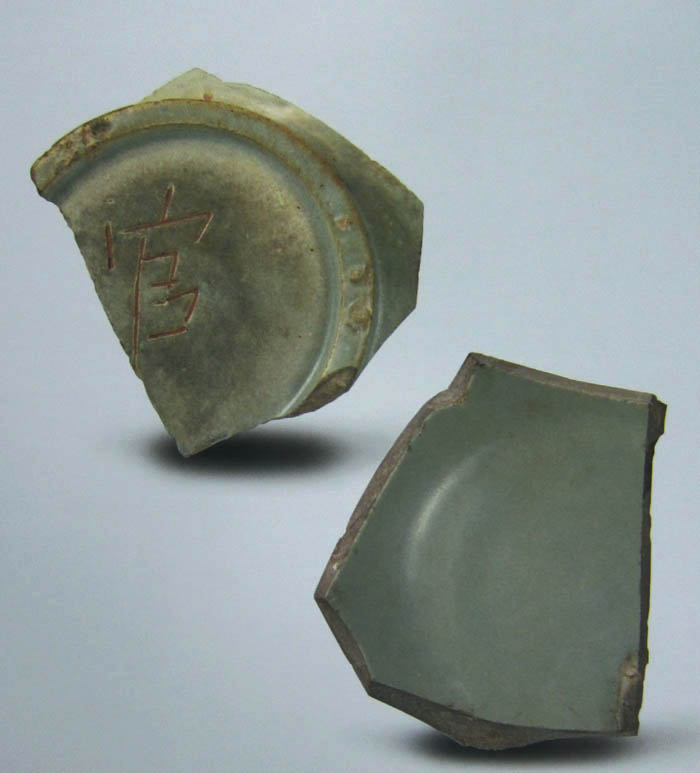 |
| Yaozhou shard with insribed Guan character |
 |
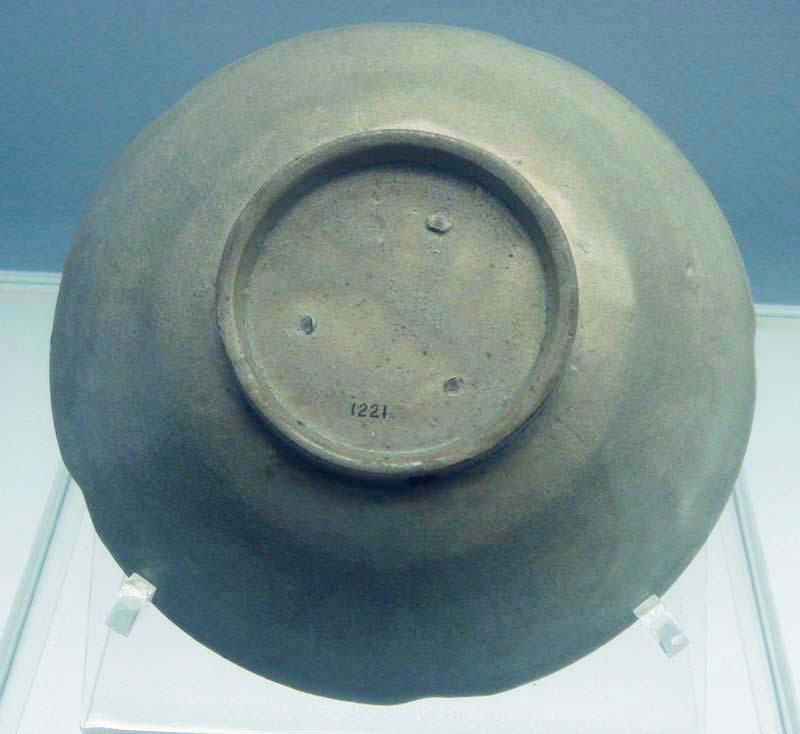 |
| Five Dynasties Yaozhou plate (Shanghai Museum) |
 |
 |
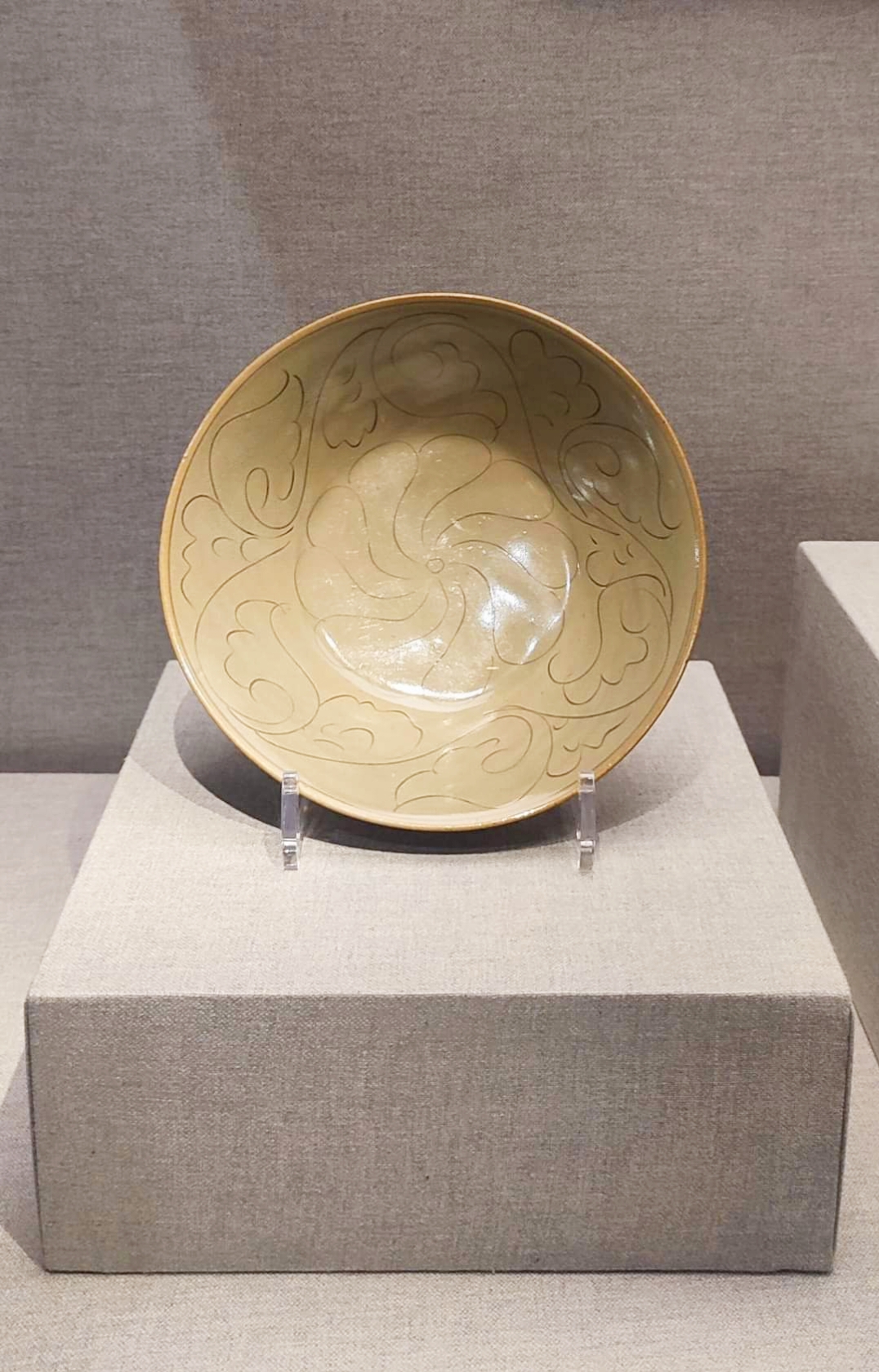 |
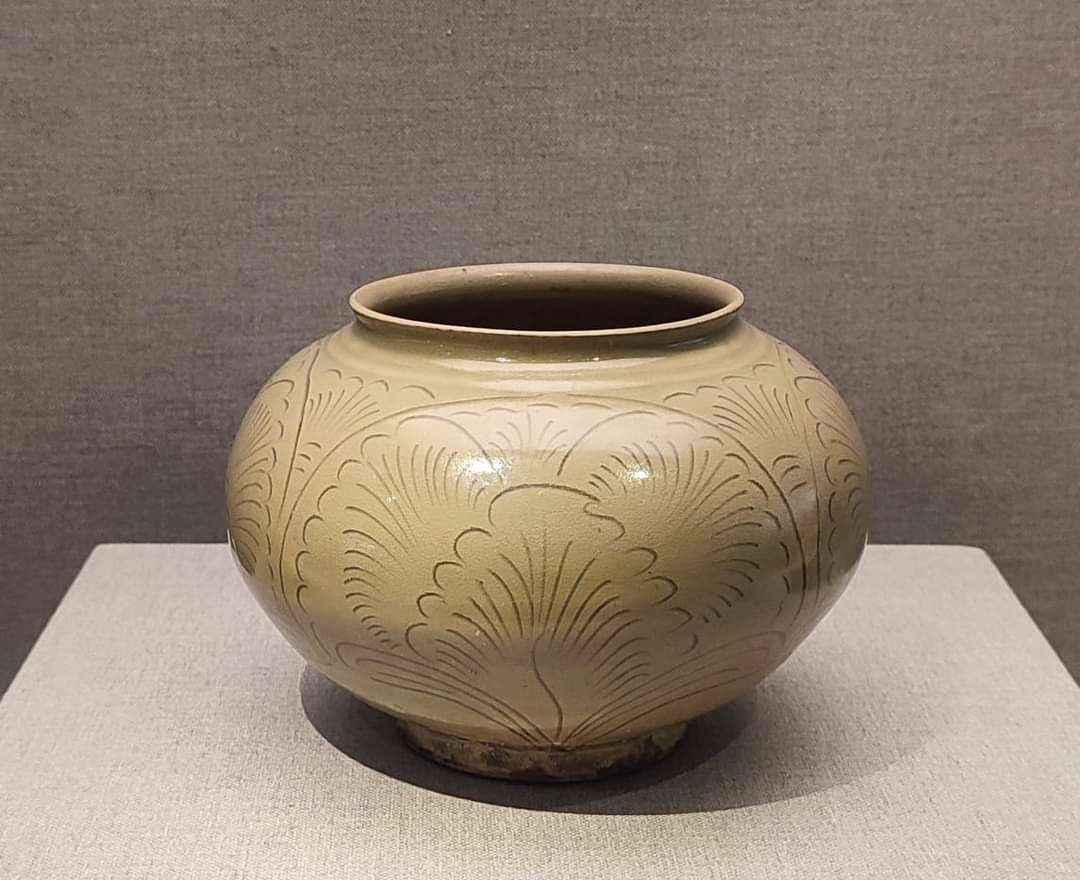
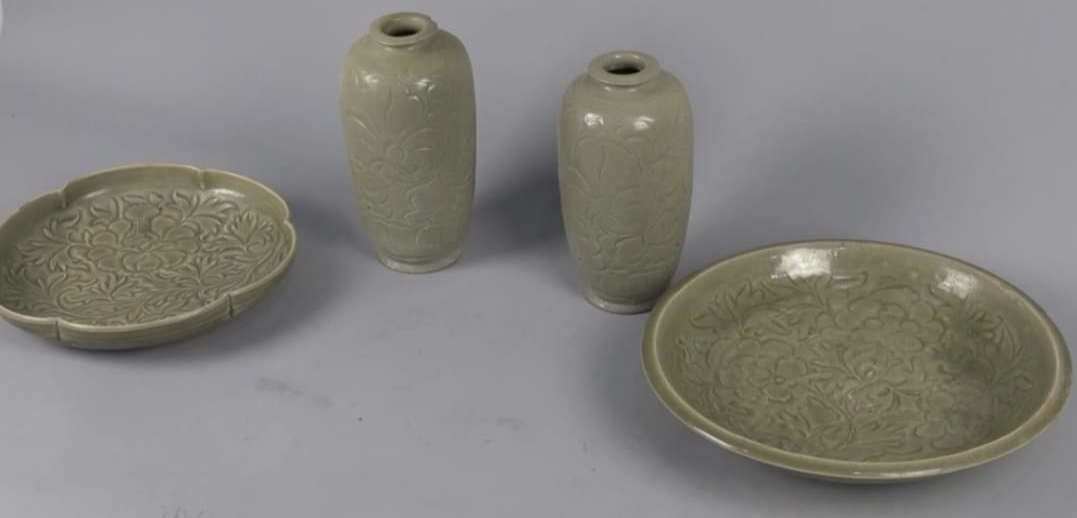
| Two Five Dynasties Yaozhou vessels with incised floral motifs (Yaozhou Museum) – showcasing distinct Yue kiln influences. |
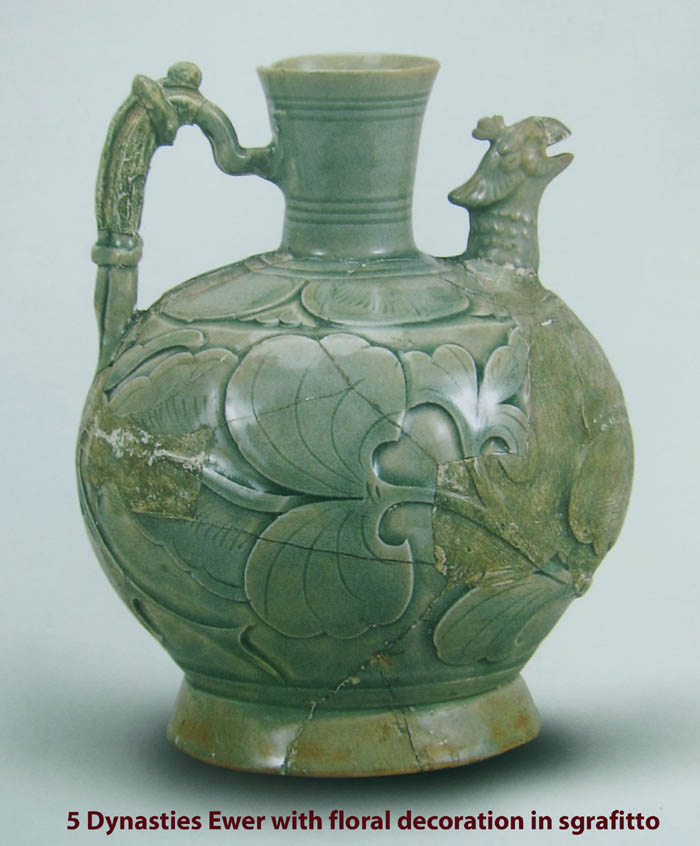
Among the most striking Five Dynasties Yaozhou wares are those adorned with sgraffito designs—a technique that involved shaving away the background around motifs to create sharp, embossed relief patterns. Previously attributed to "Dong Kiln" , but actually an early Yaozhou Kiln product. While not invented at Yaozhou, the method was skillfully adapted from earlier Yue kiln practices, reflecting the dynamic exchange of techniques between competing kilns.
 |
The Northern Song period marked the peak of Yaozhou Kiln’s production. Kilns densely populated the banks of the Li River in Huangbu Town, forming an extensive ceramic manufacturing hub. According to the Tongguan County Gazetteer, written during the Song Dynasty, the Yaozhou Kiln had already gained prominence by the reign of Emperor Shenzong (1067–1085).
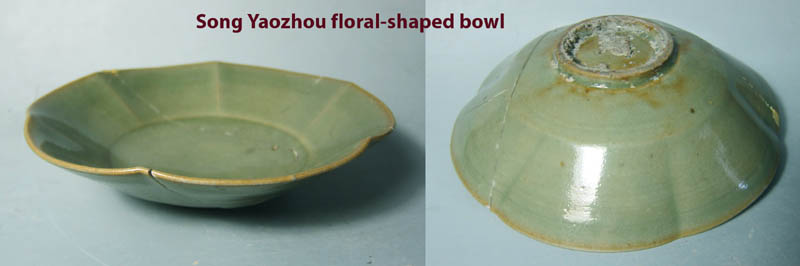
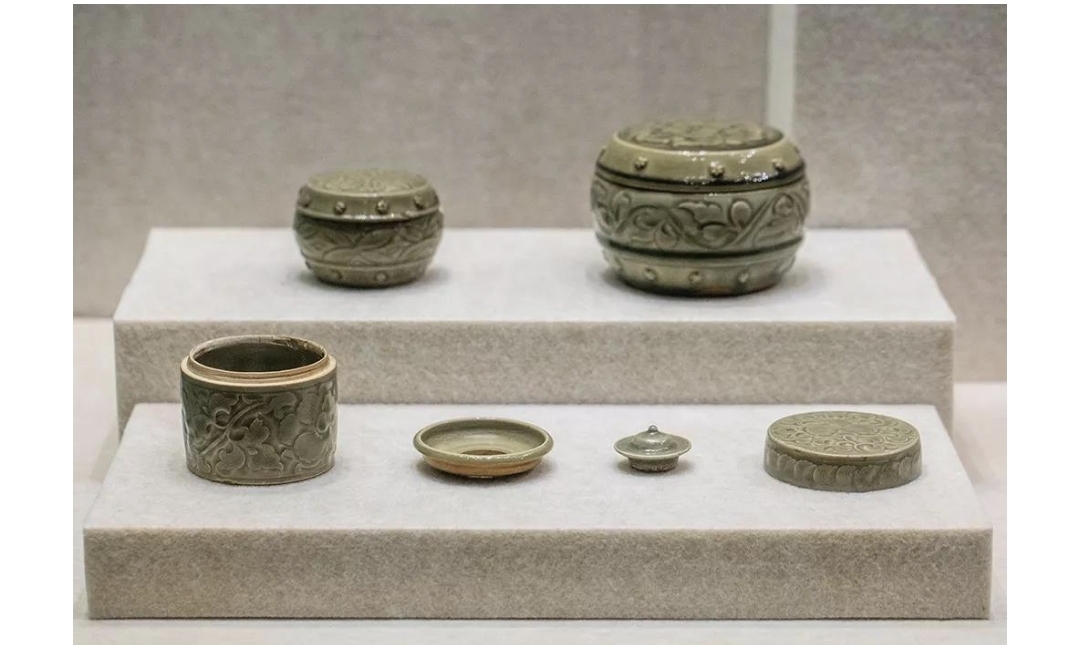
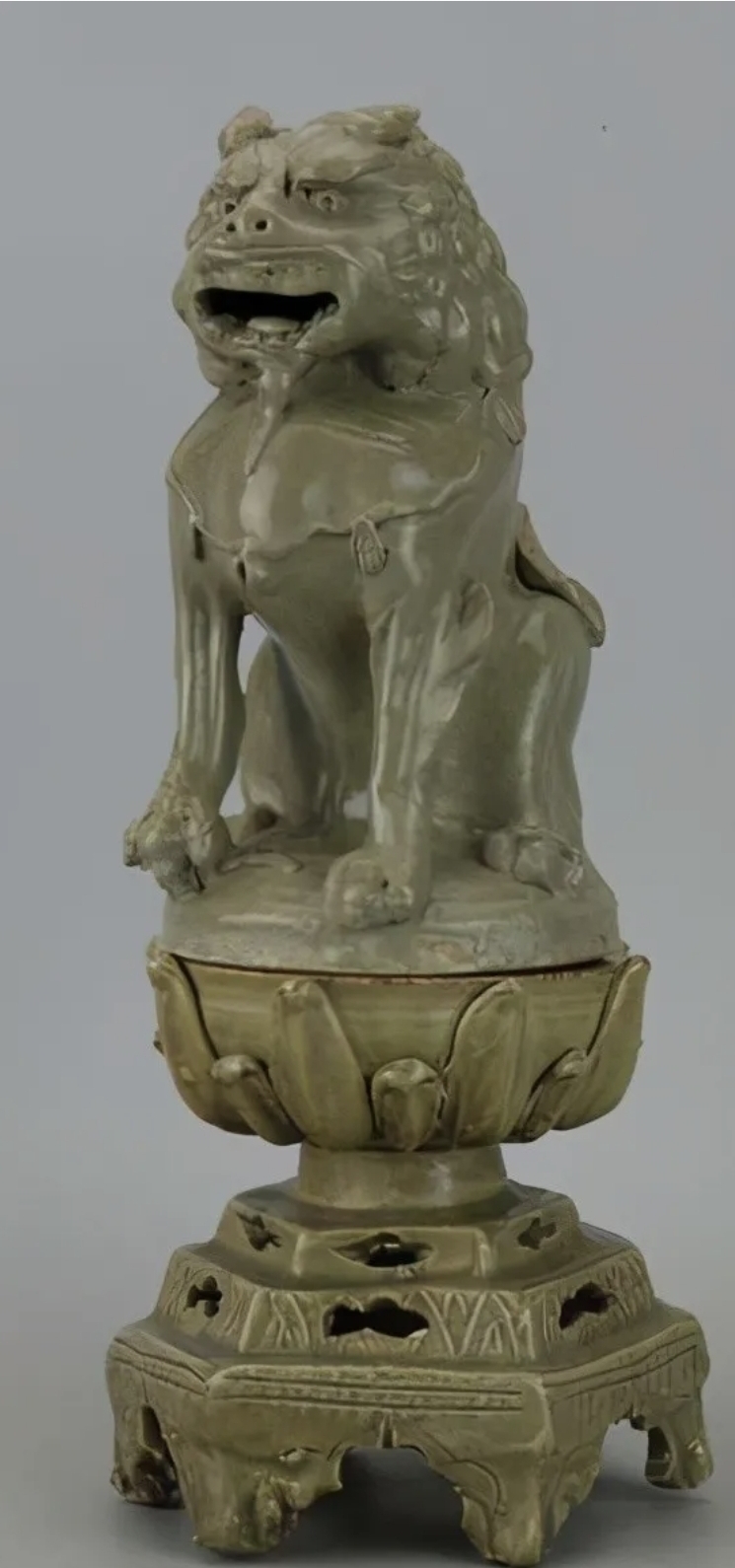
Yaozhou Kiln primarily produced celadon but also manufactured a small amount of brown-glazed and black-glazed ceramics. The celadon clay was grayish-white and fine in texture, with yellowish-green glaze. The glaze surface was bright, with densely packed air bubbles within. The range of ceramic forms was extensive, including bowls, plates, pots, bottles, jars, lamps, pillows, cosmetic boxes, incense burners, figurines, and even Go game sets.
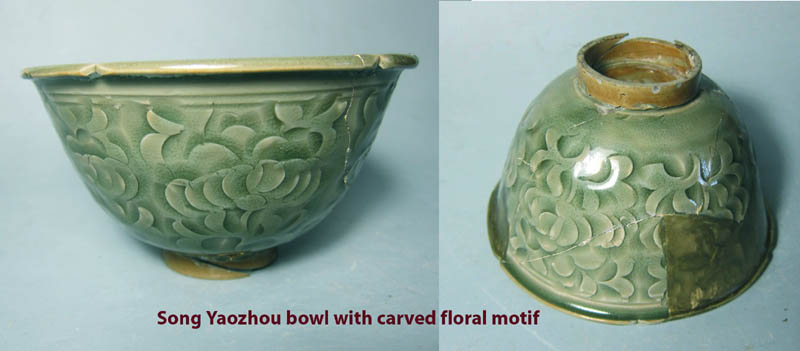
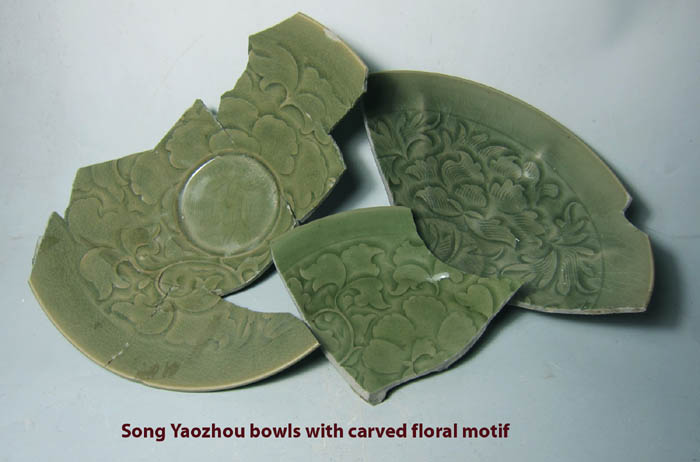
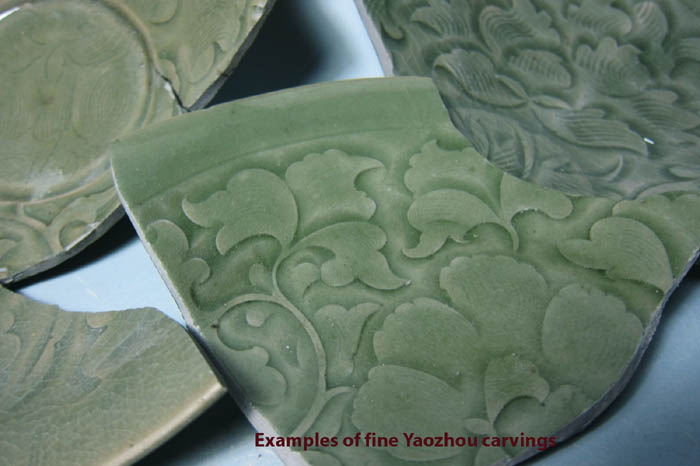
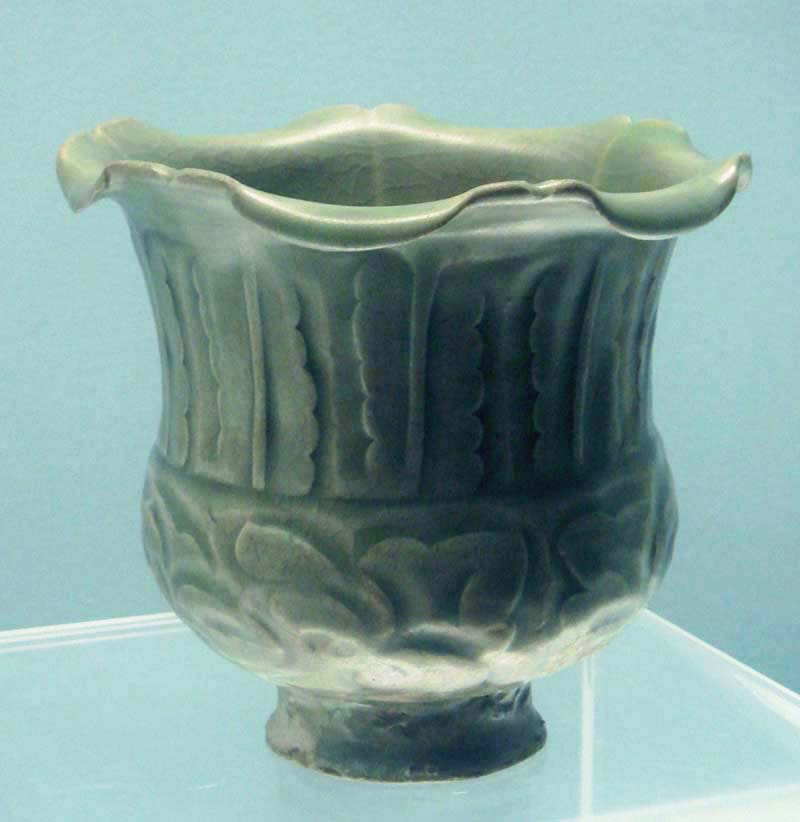
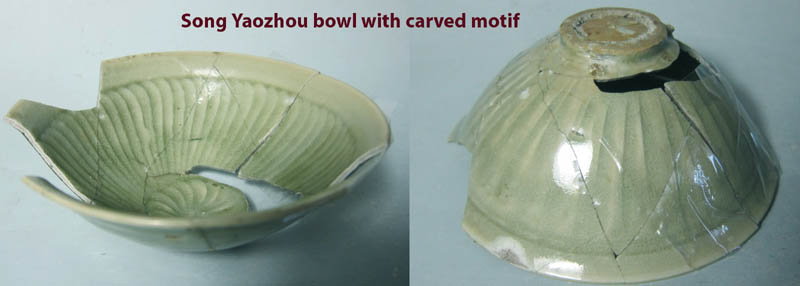
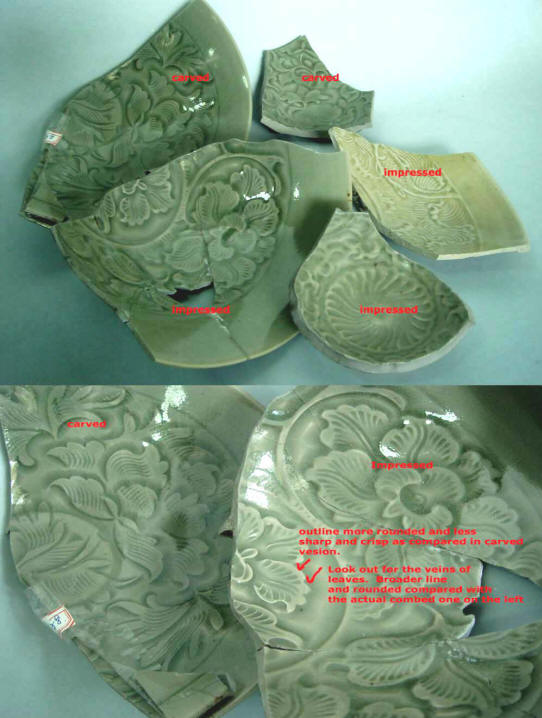
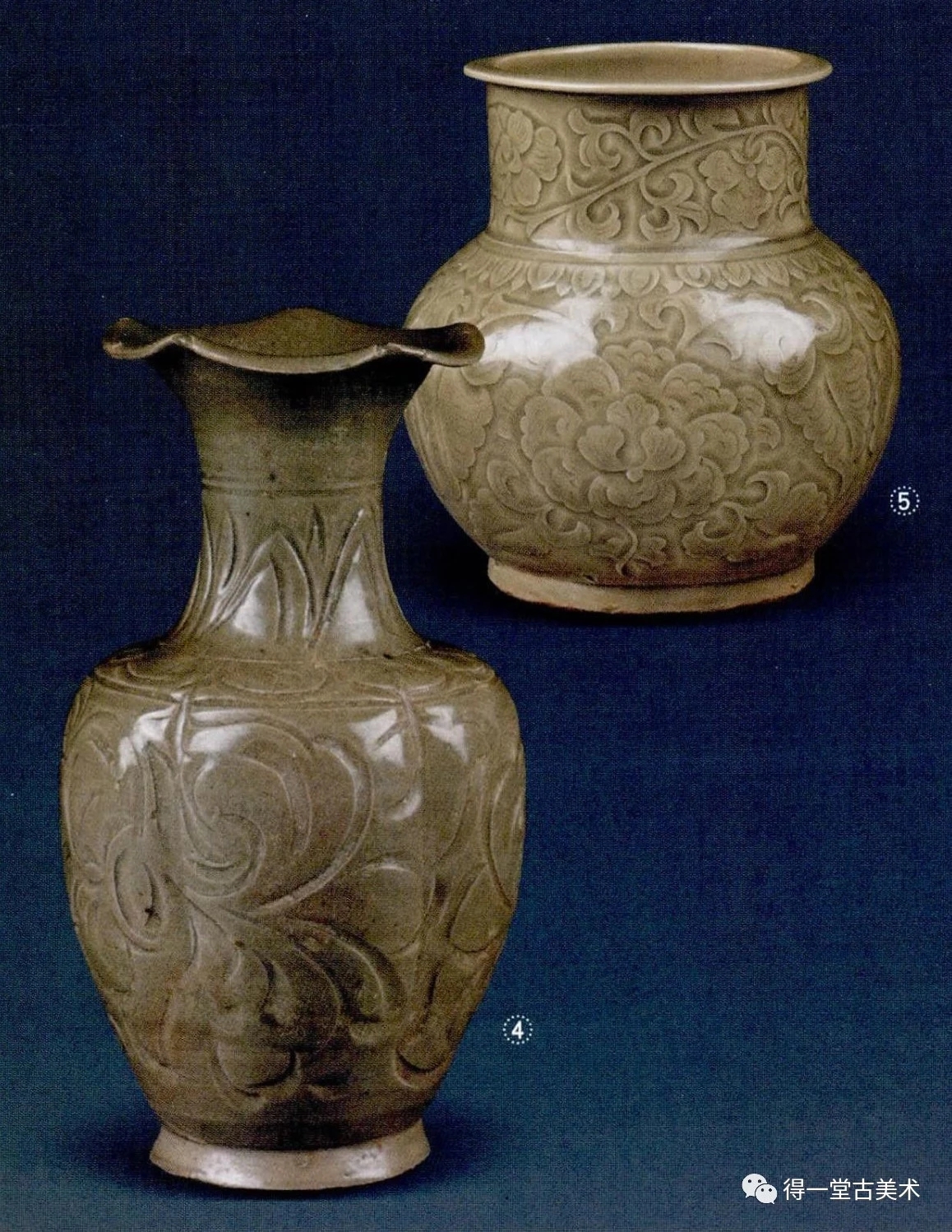
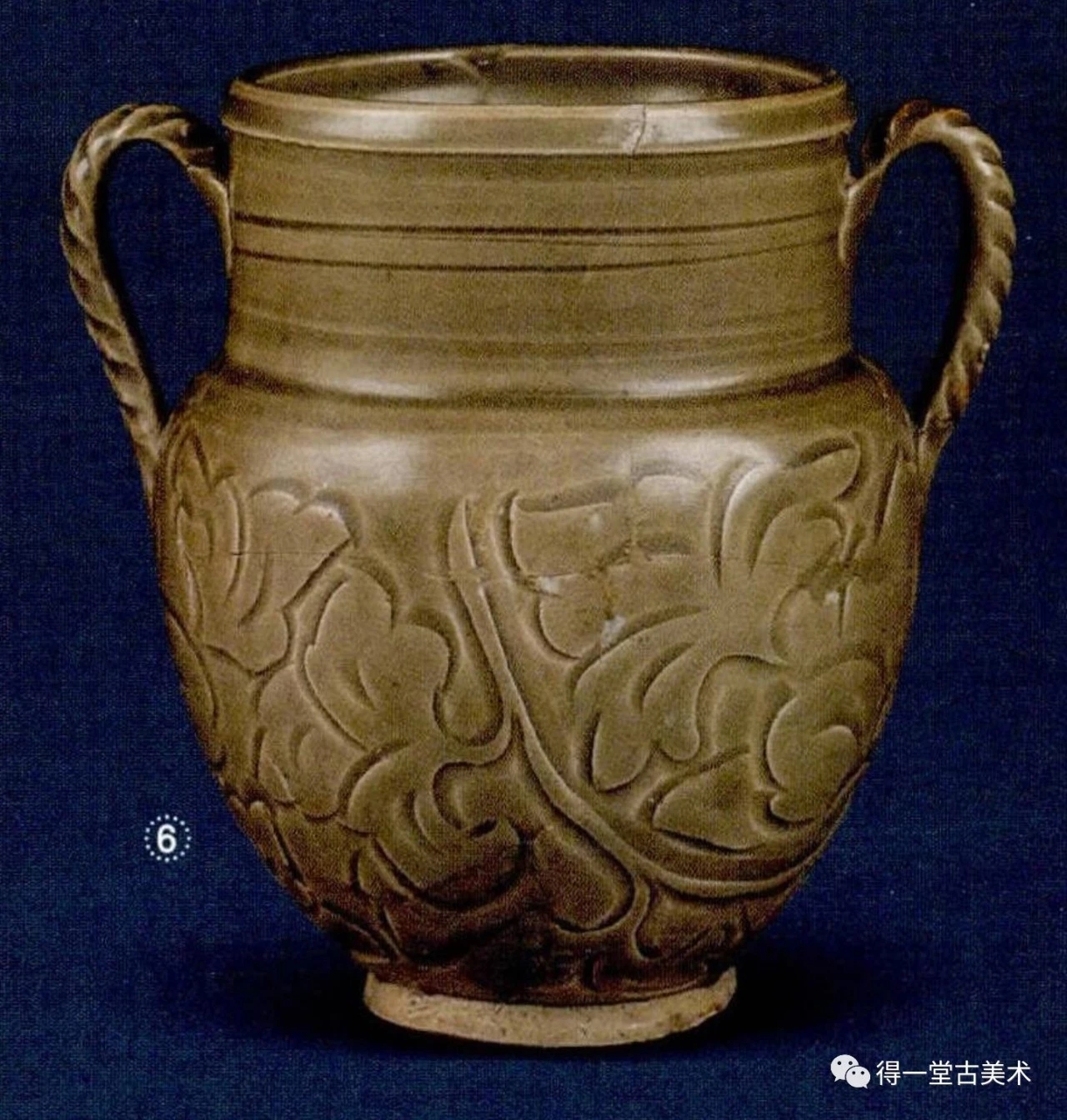
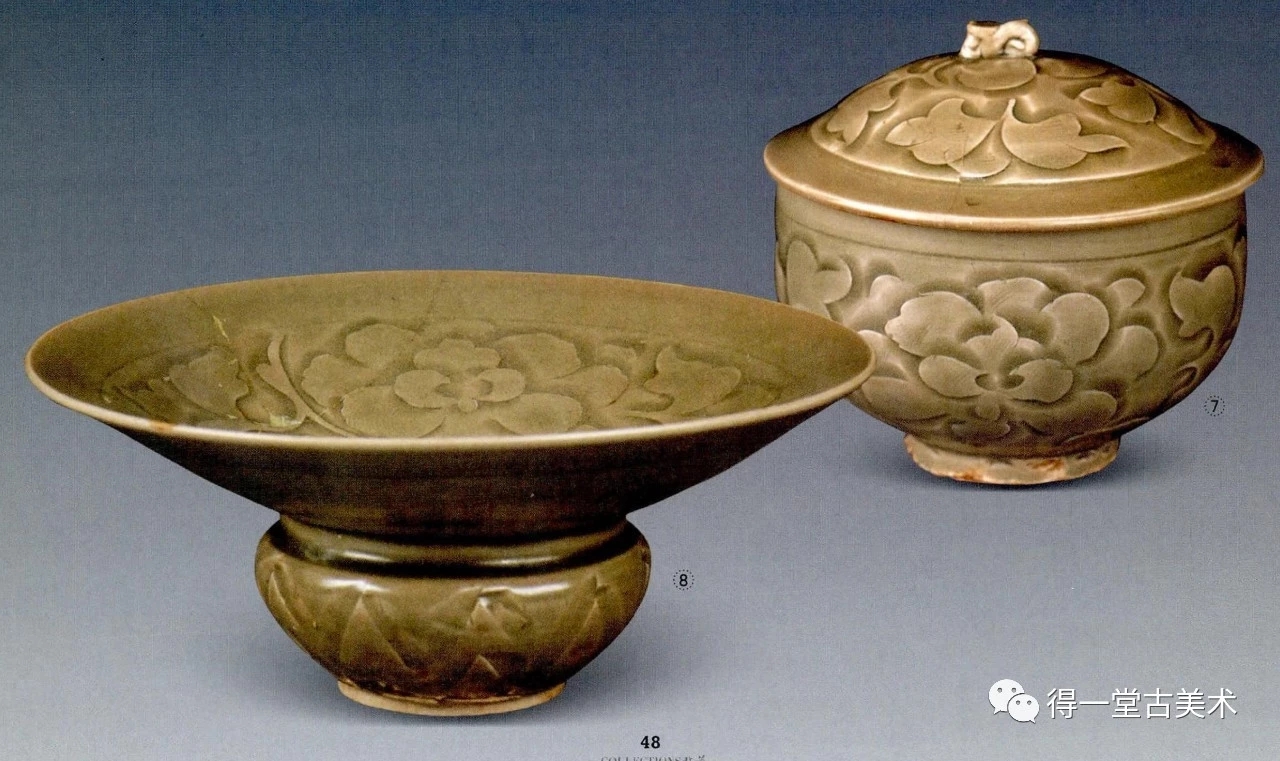
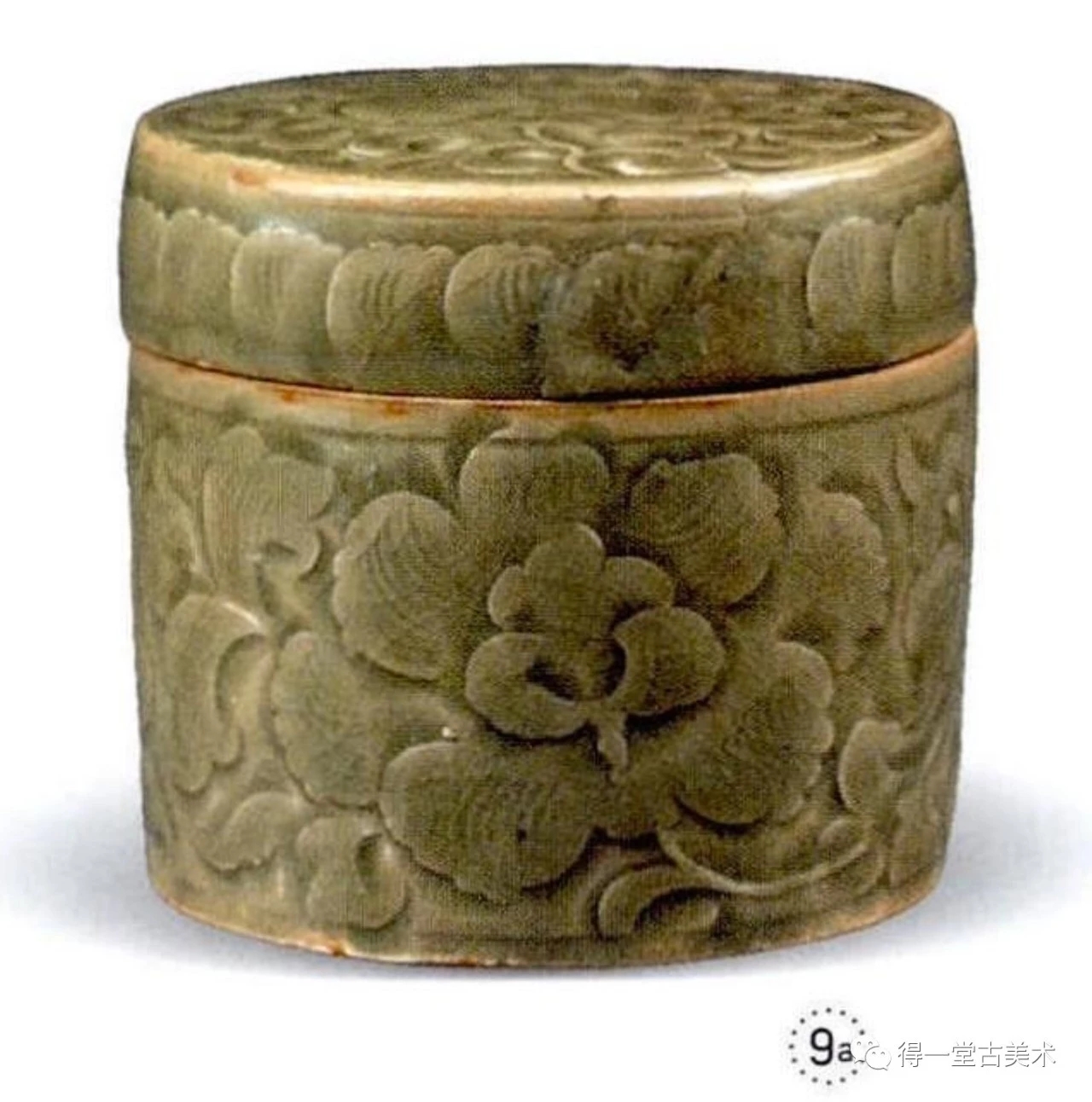
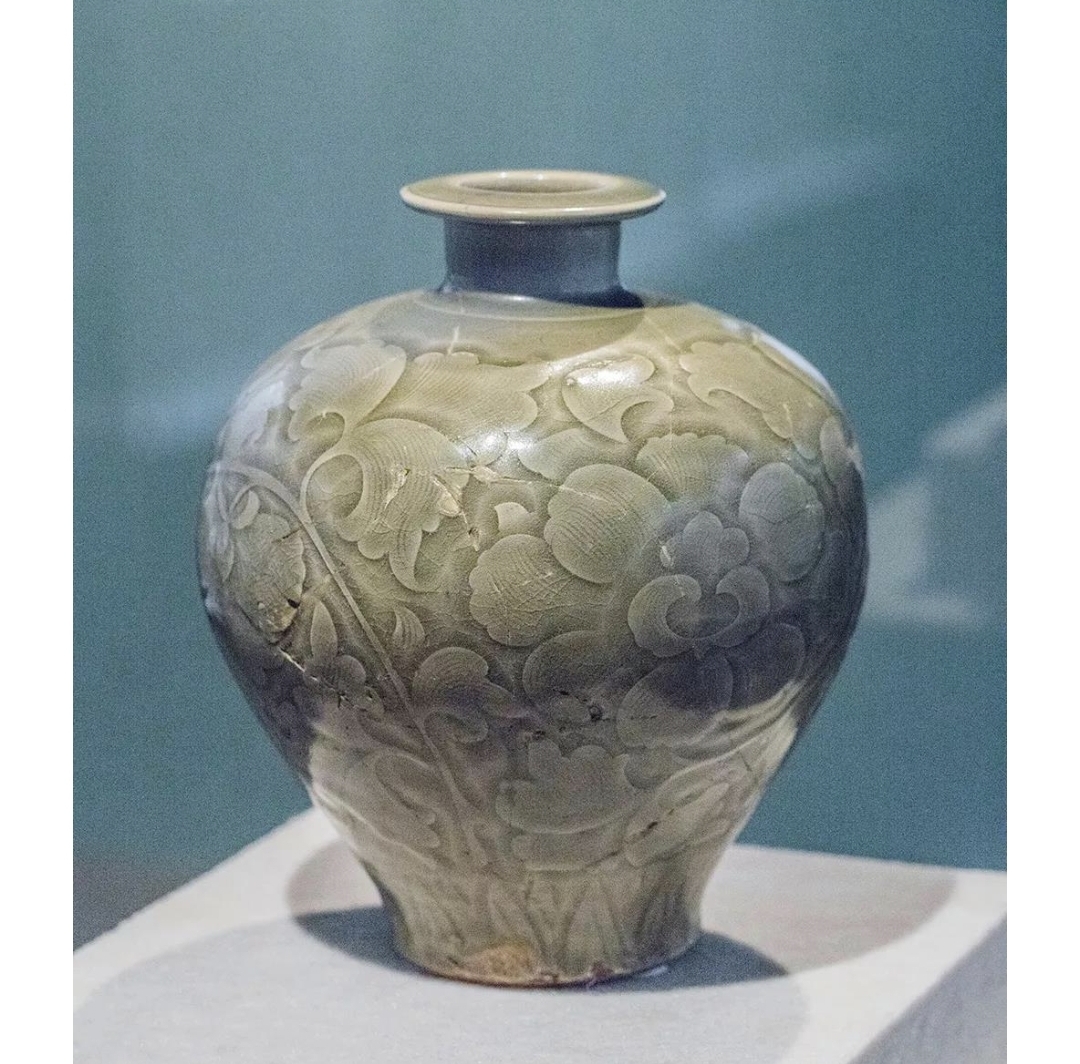
The Northern Song era marked the zenith of Yaozhou celadon production, showcasing exceptional craftsmanship. Potters perfected a distinctive carved decoration style, characterized by bold, deeply carved designs with beveled motif edges. The interplay between the translucent green glaze and pooled darker outlines created striking contrasts, vividly enhancing the patterns and imparting a refined "shallow relief" effect.
 |
 |
 |
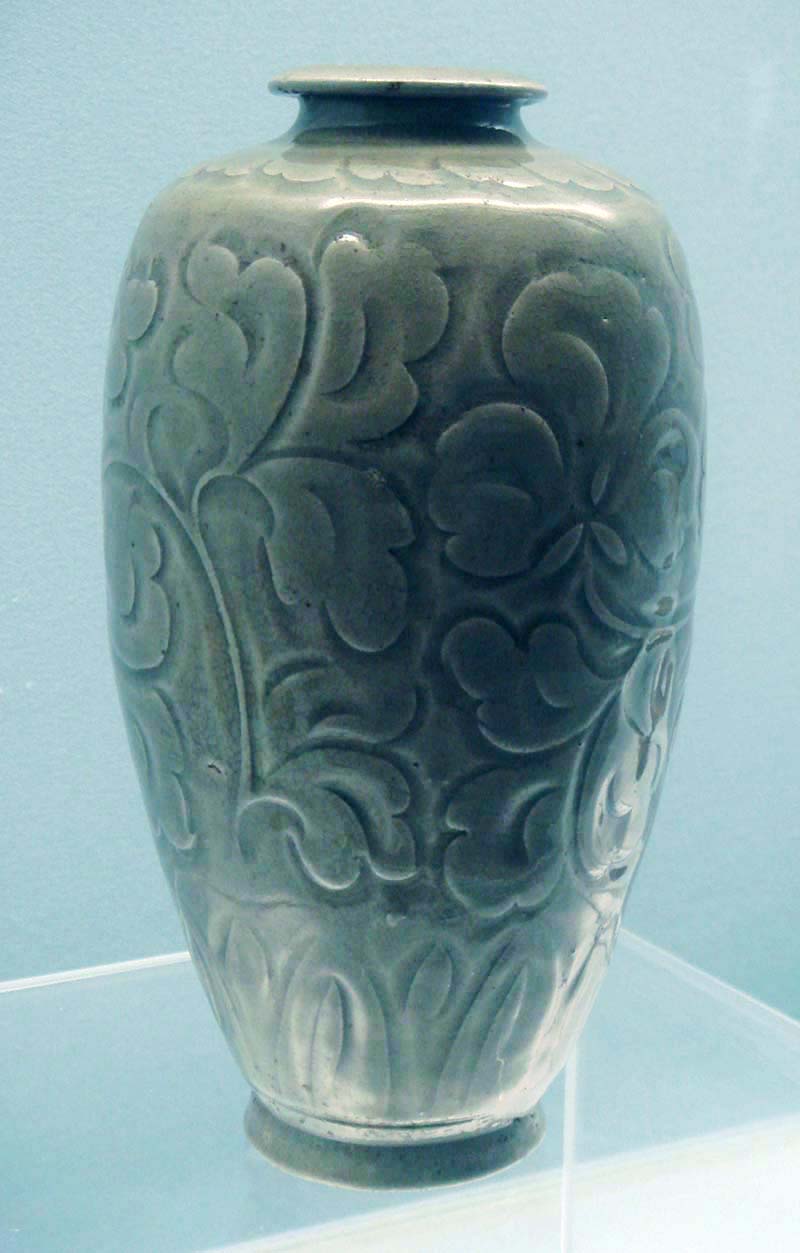 |
| Vase with carved floral motif (Shanghai Museum) |
 |
| Vessel with carved motif (Shanghai Museum) |
 |
 |
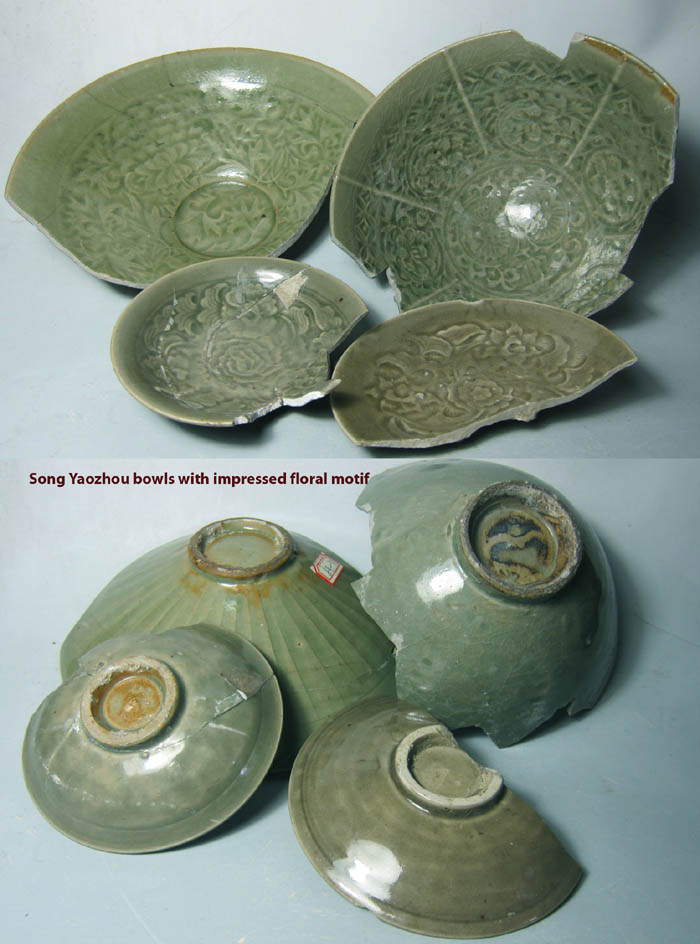
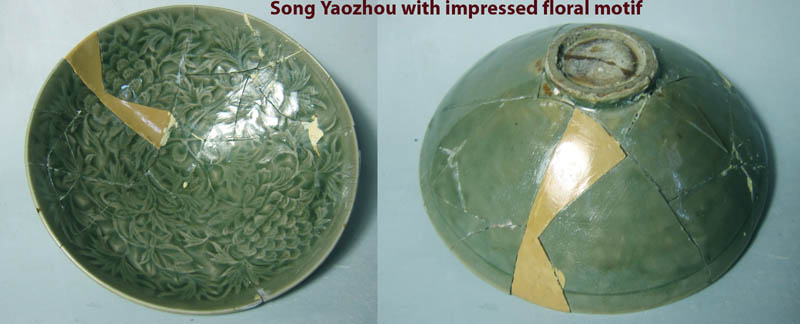
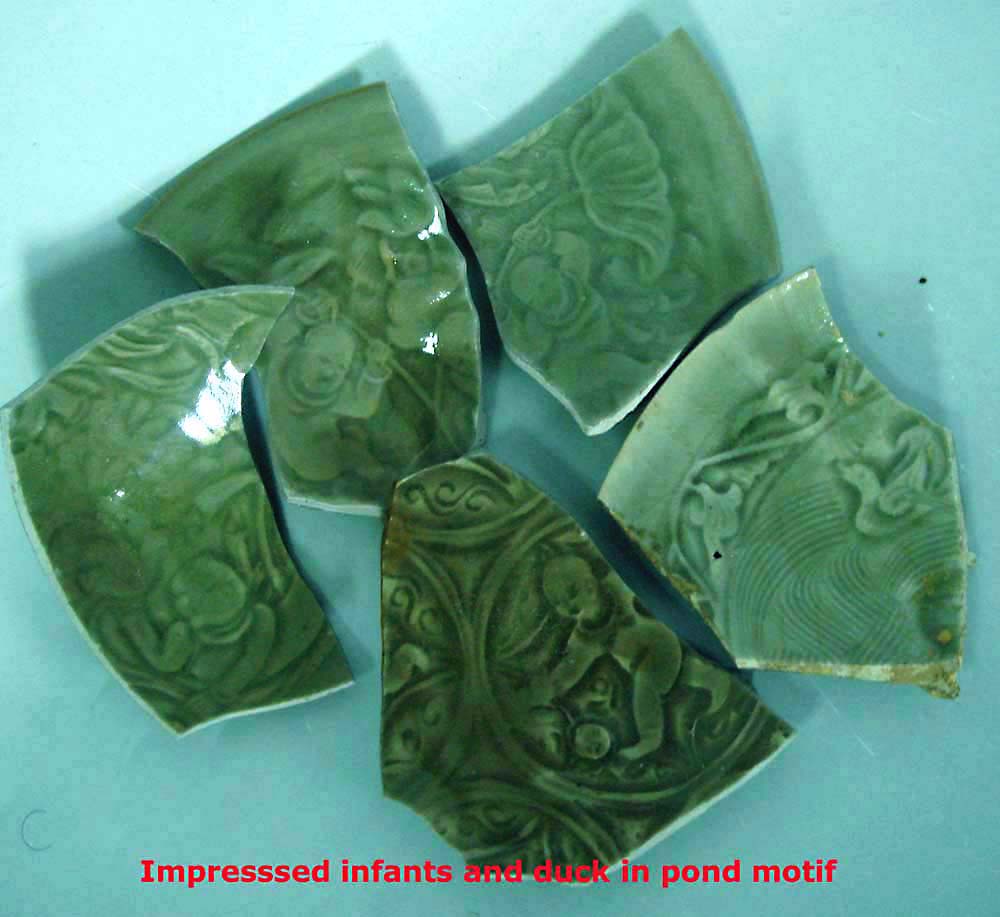
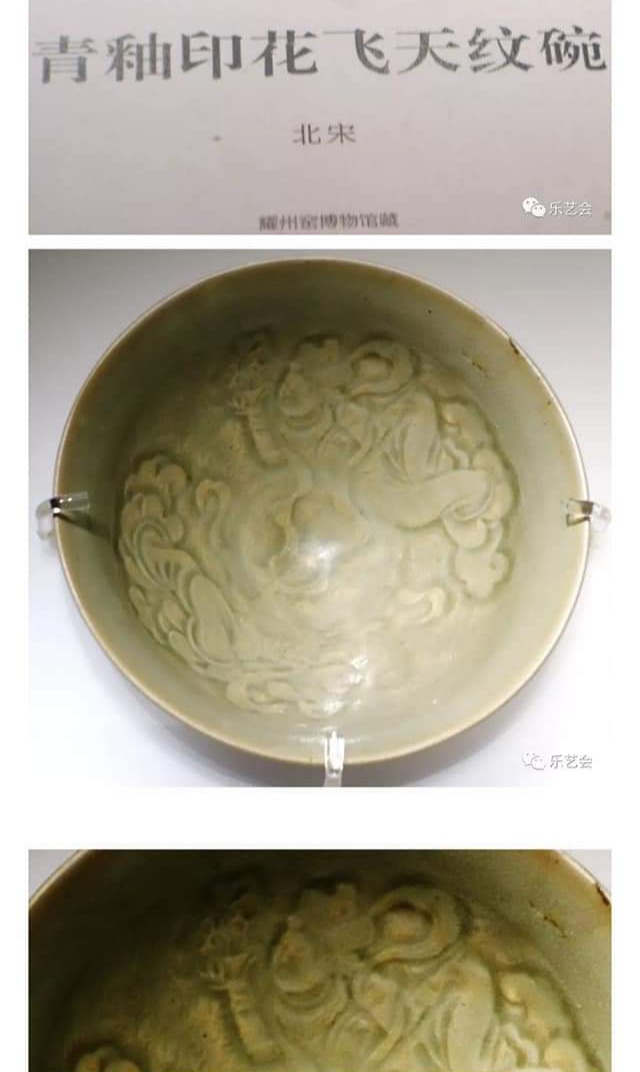
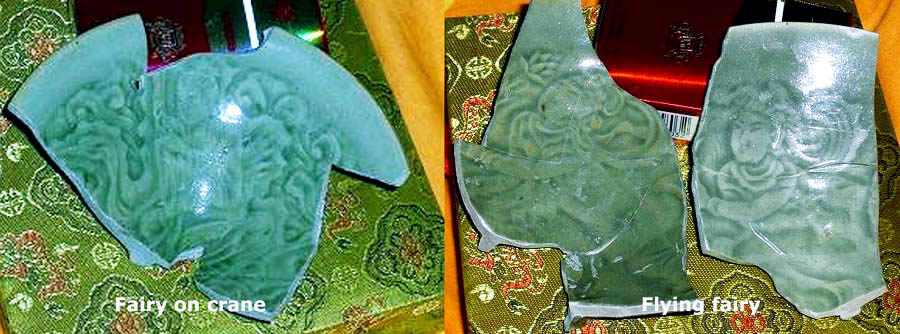
By the late Northern Song period, impressed relief decoration gained prominence. Although Ding kilns produced the finest examples, Yaozhou impressed wares were equally refined, featuring crisp outlines that sometimes resembled carved designs. The stamping molds, made of clay, featured intricately carved designs and could be reused multiple times.
 |
 |
 |
 |
 |
 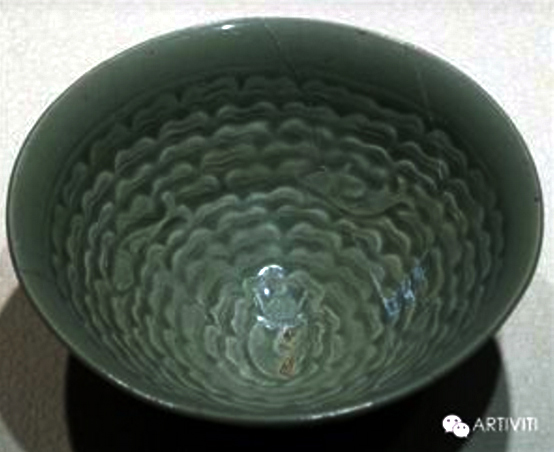 |
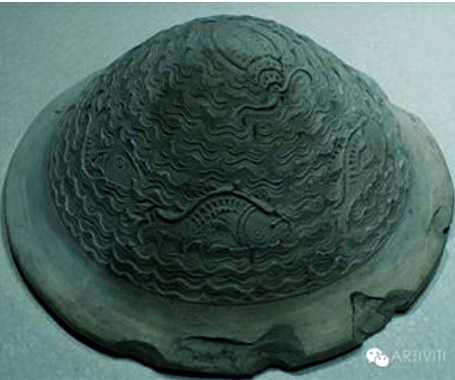 Bowl and mould with impressed in fishes in
waves decoration. Bowl and mould with impressed in fishes in
waves decoration. |
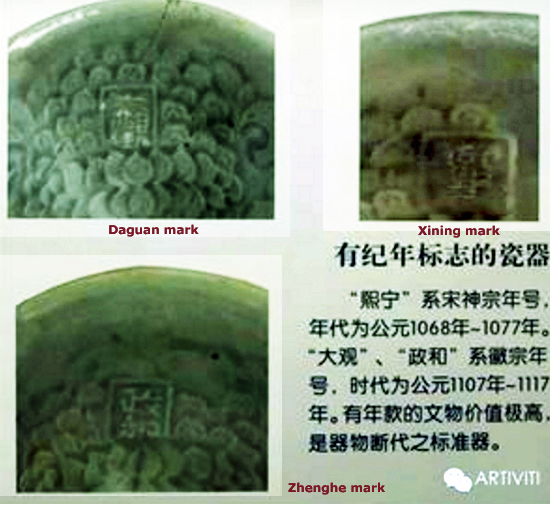
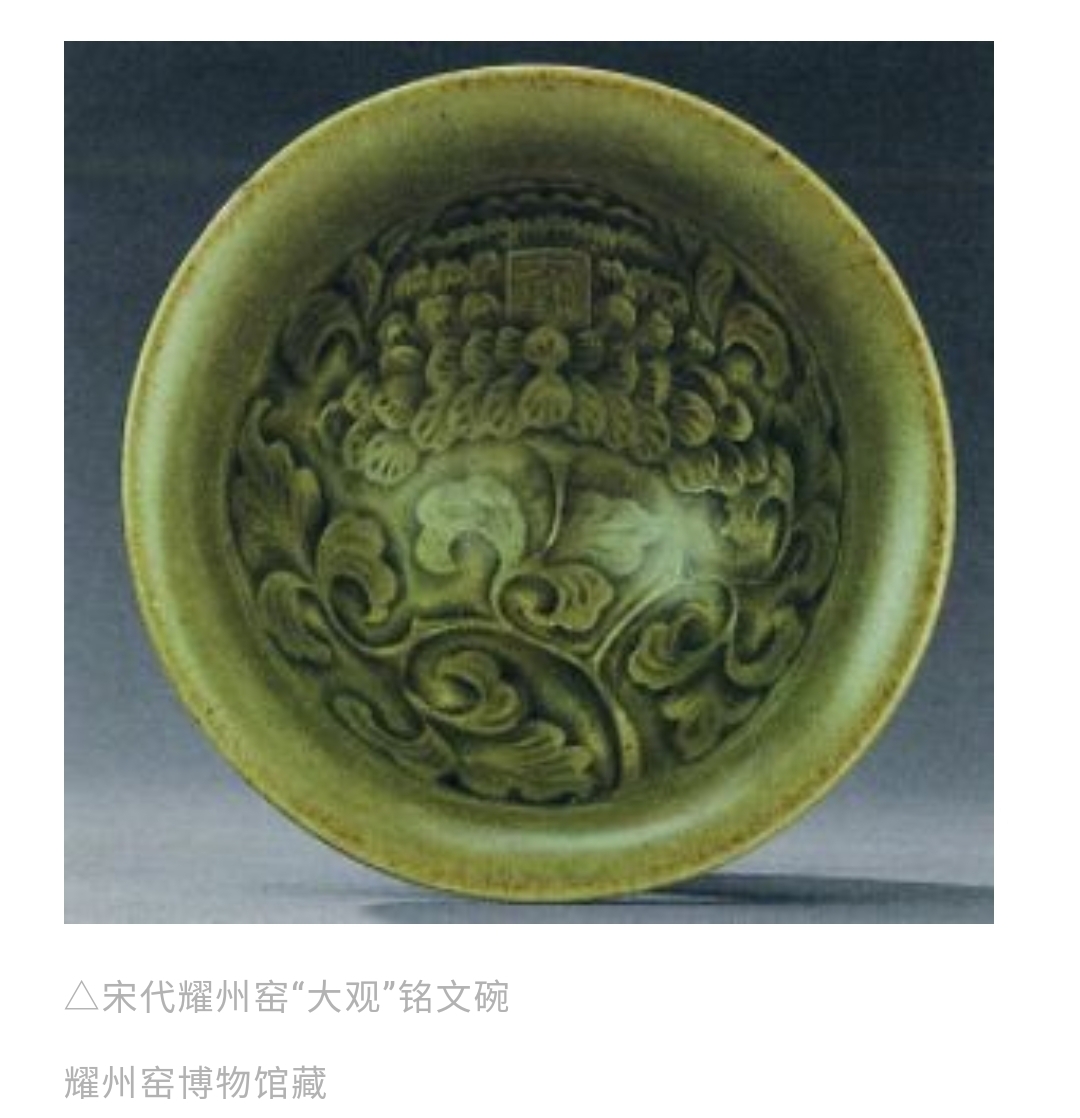
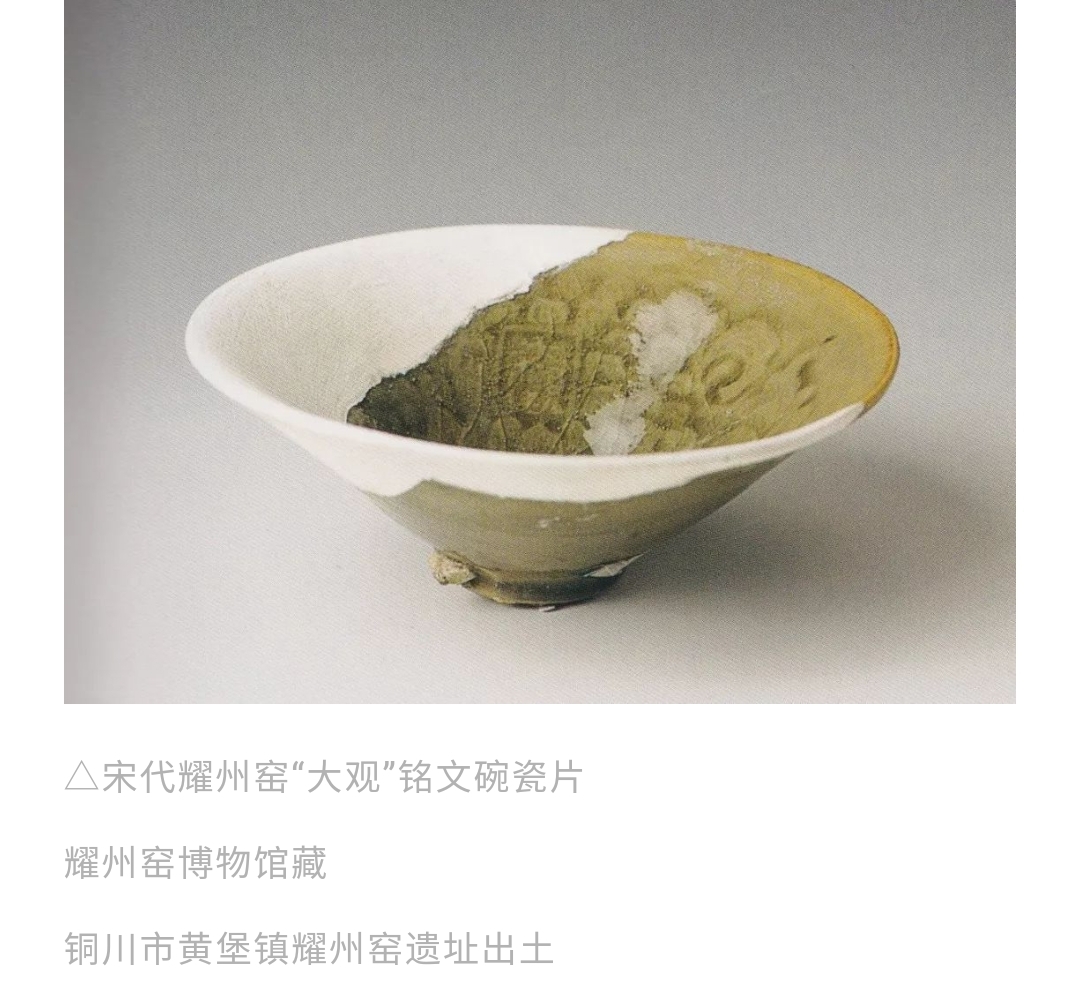
Examples bear inscriptions from the reigns of:
 |
|
|
|
 |
|
 |
|
| Examples with Da Gaun markk Yaozhou MuseumYaozhou Museum ) |
 |
 |
 |
Significant finds of mid-to-late Northern Song Yaozhou wares include:
 |
 |
 |
 |
 |
 |
 |
 |
 |
| Yaozhou wares found in the Lu family graves |
 |
 |
| Yaozhou wares from the Meng family graves |
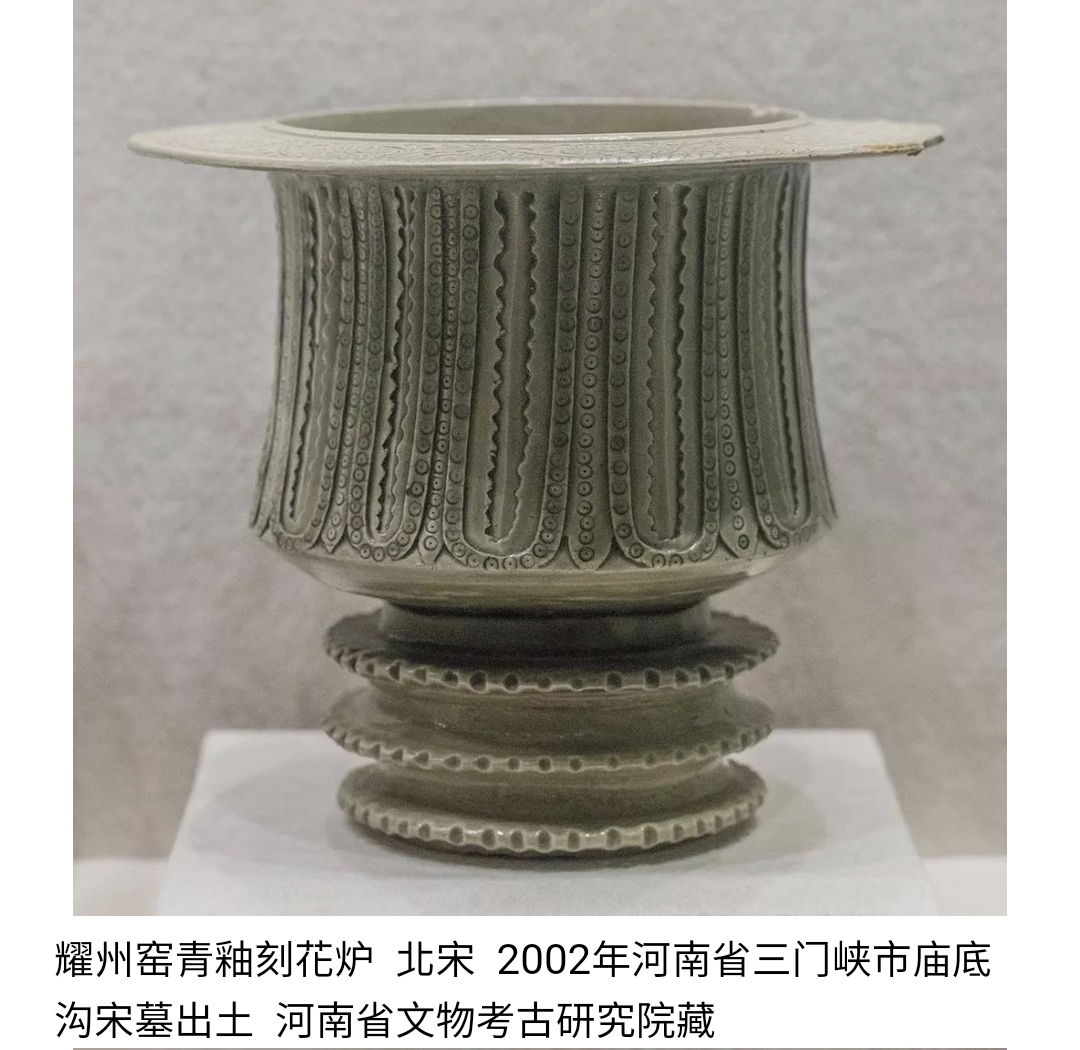 |
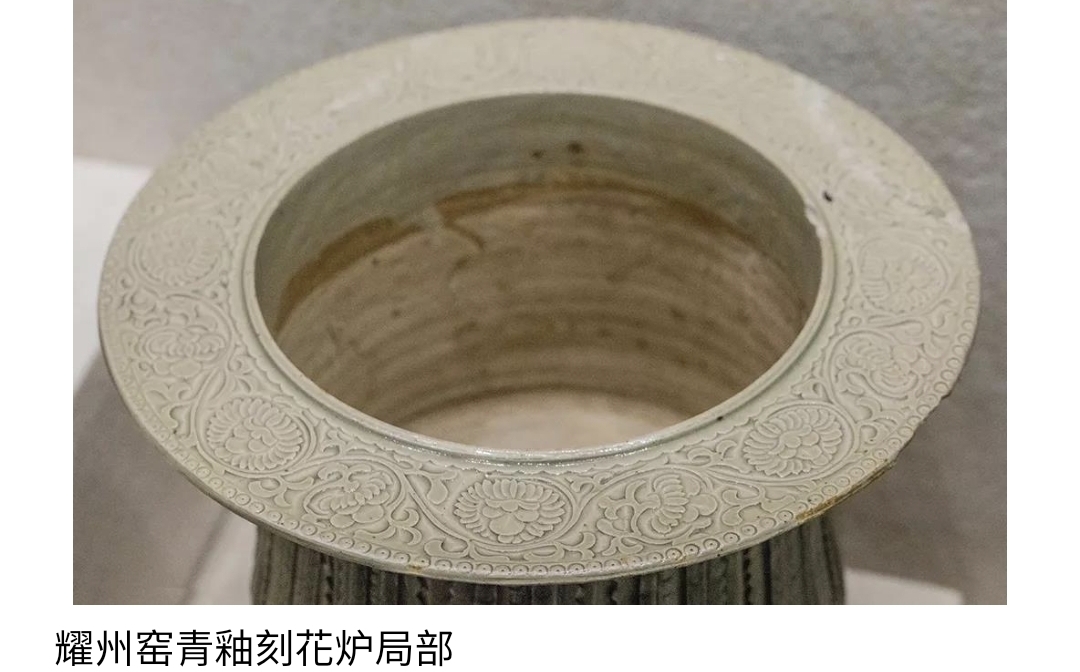 |
| Northern Song Yaozhou censer from a Henan Hoard |
Imperial Connection - tribute Yaozhou porcelain
Though Yaozhou Kiln was a civilian-run kiln, its high-quality ceramics were chosen for imperial use during the Song Dynasty. The Yuanfeng Nine Territories Gazetteer and History of Song both recorded that Yaozhou Kiln supplied tribute porcelain during the Yuanfeng (1078–1085) and Chongning (1102–1106) periods. A 1953 excavation in Beijing uncovered a hoard of Northern Song Yaozhou celadon fragments, confirming their status as tribute wares that were looted by the Jurchens when they captured the Northern Song capital.
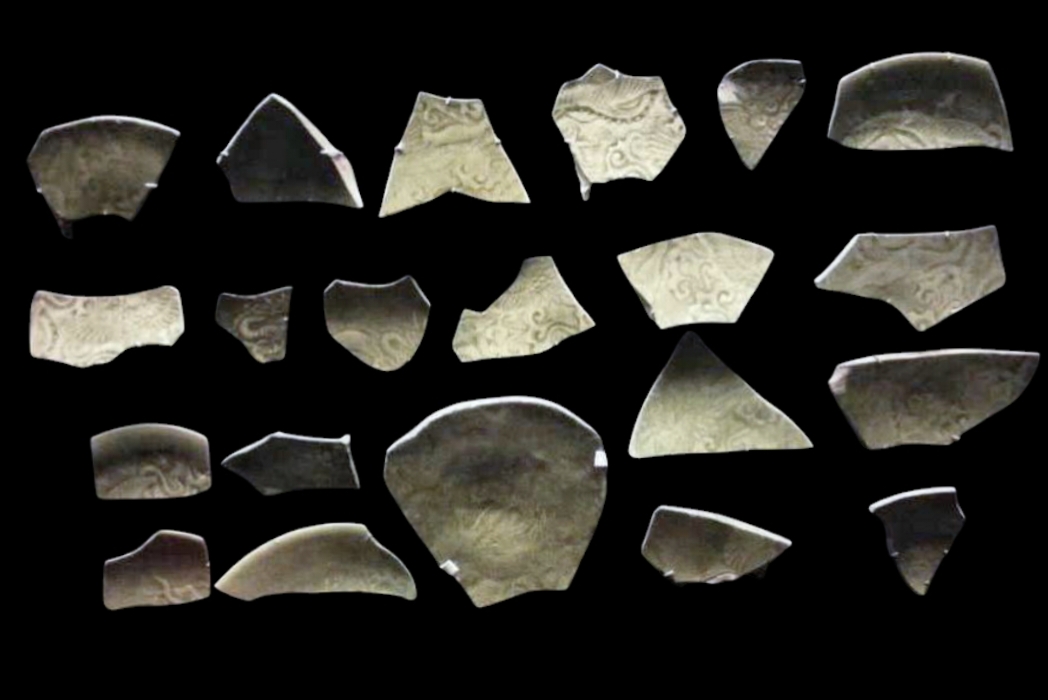 |
| Yaozhou fragments with decoration including dragon and phoenix ( Beijing Hoard) |
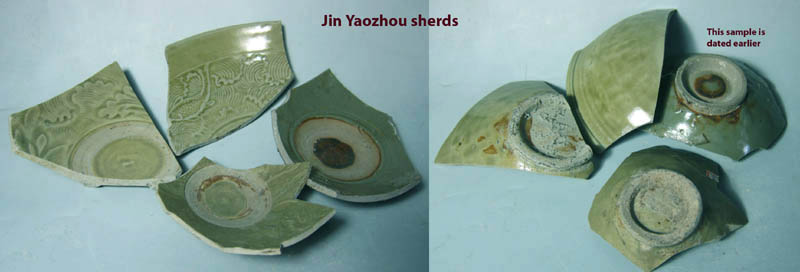
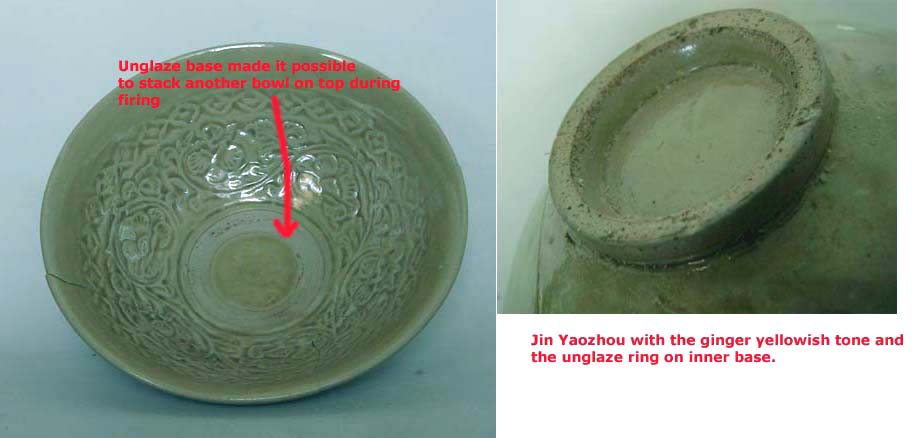
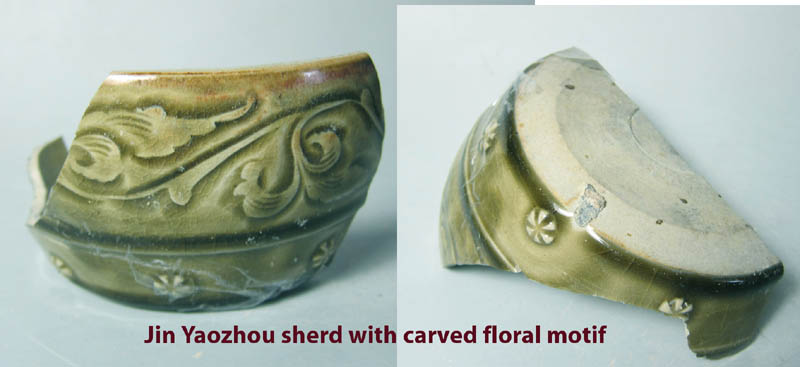
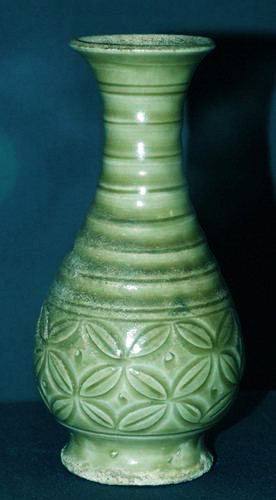
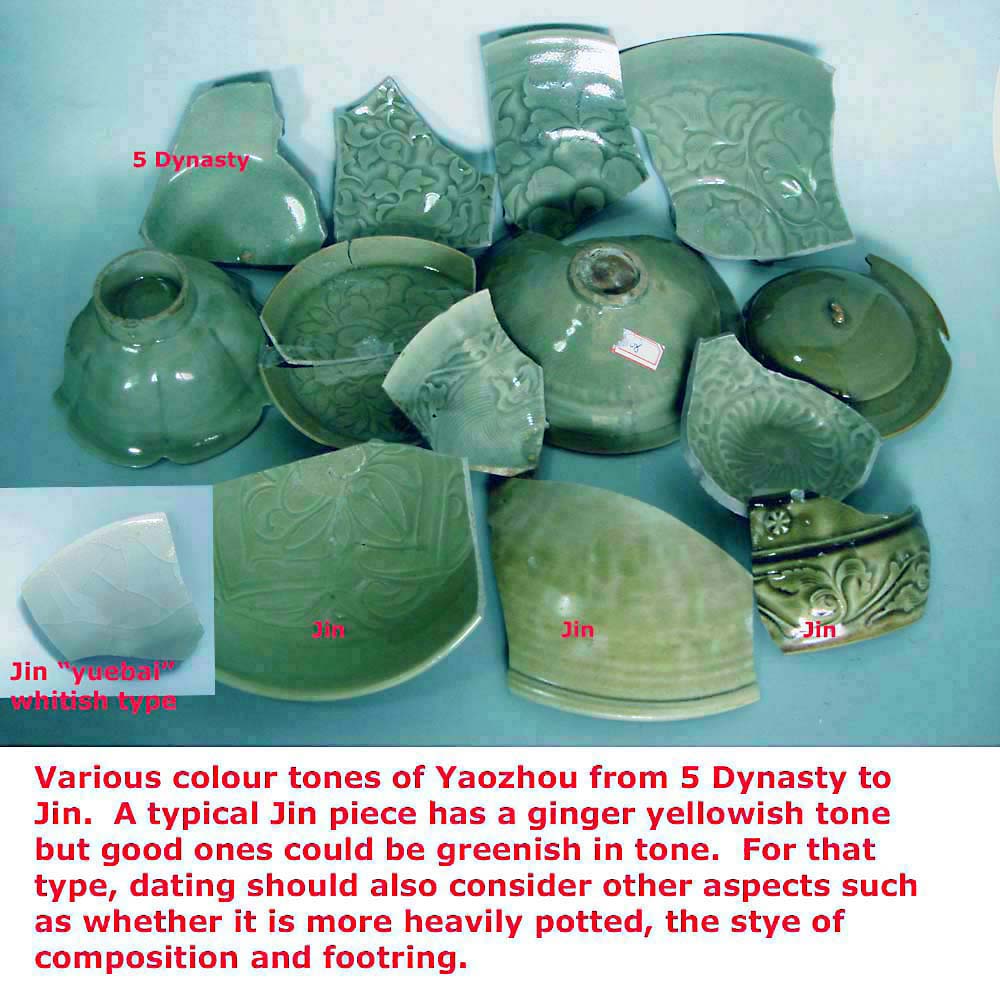
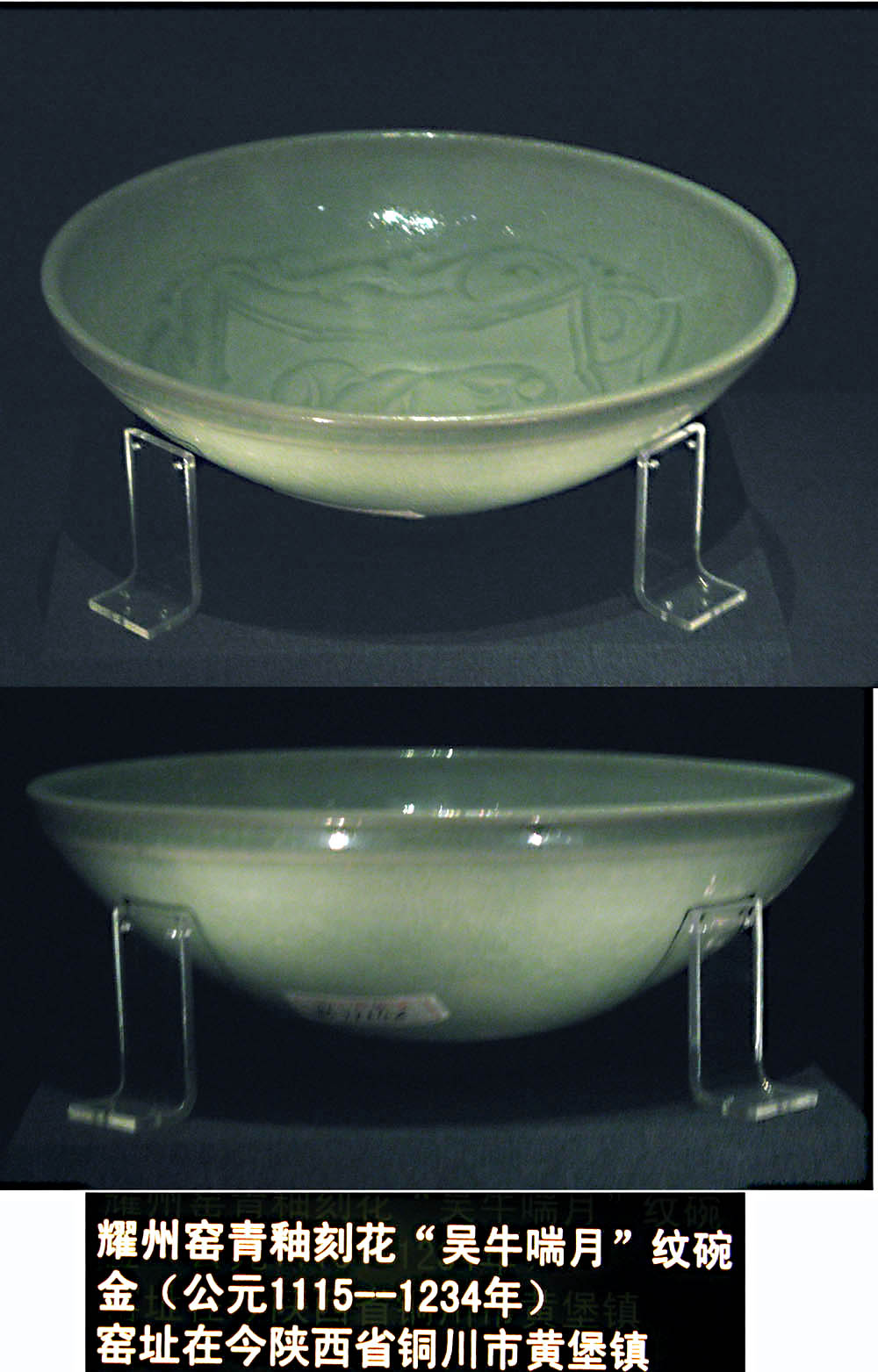
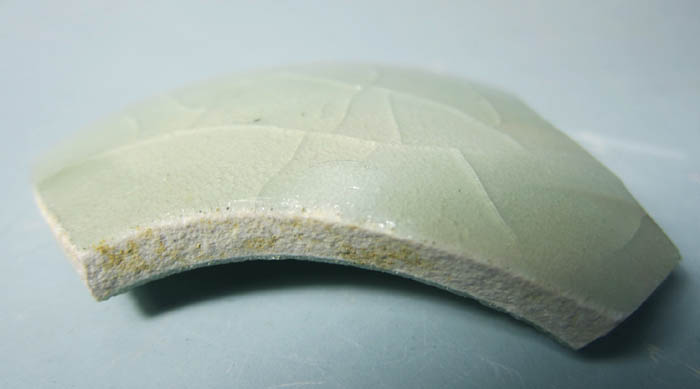
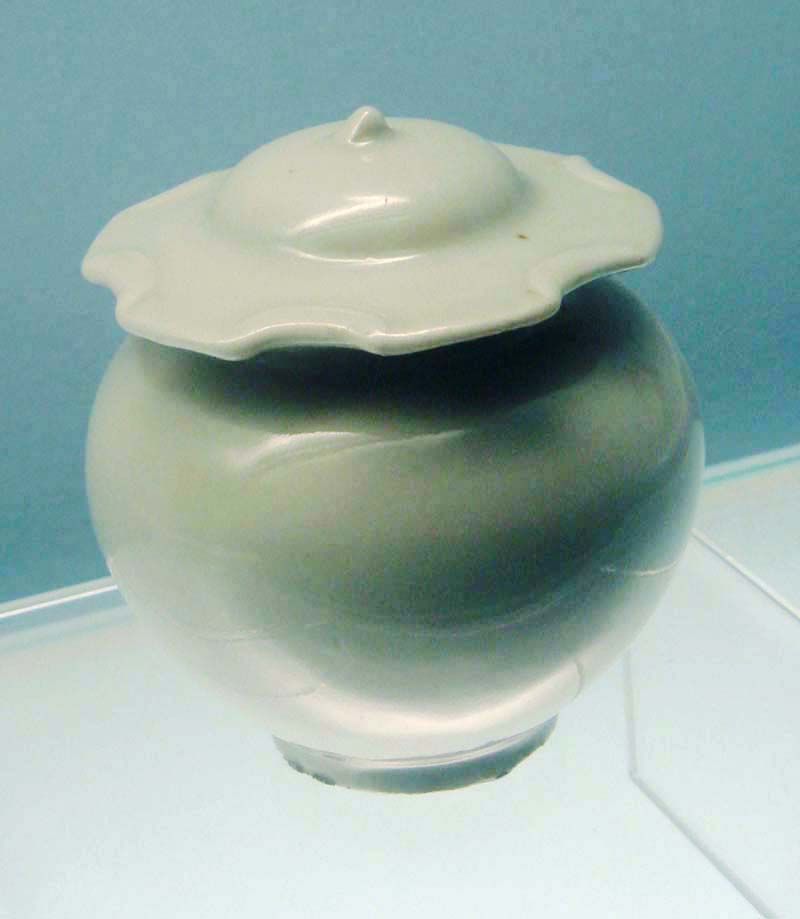
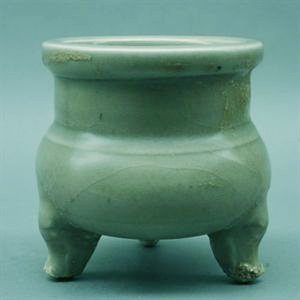
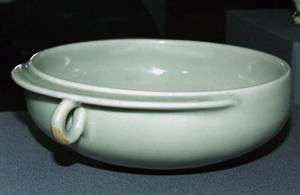
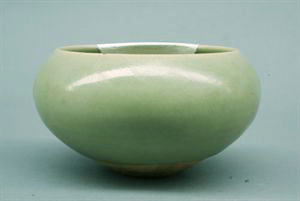
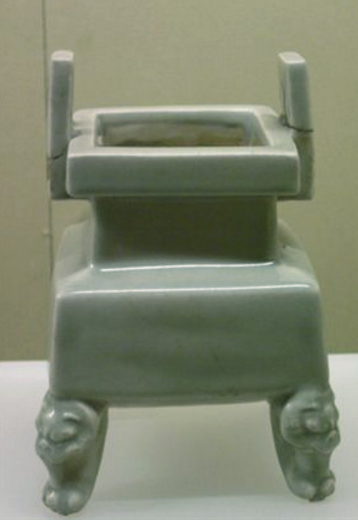
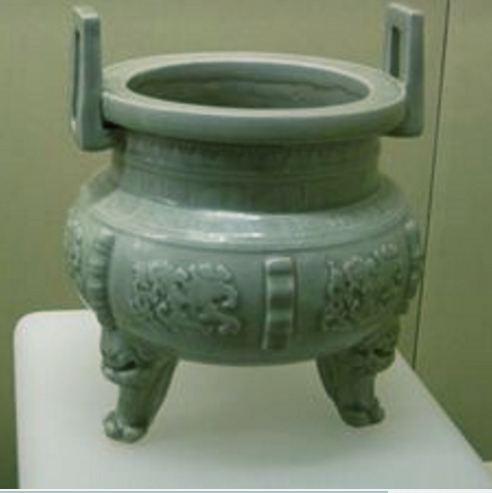
Yaozhou kilns expanded for mass production during this period, often at the cost of glaze quality. Stacking methods evolved—bowls were nested using unglazed interior rings, leading to thicker walls and rims. Decorative motifs became simpler, often executed in a "sketchy" style. Many late Jin wares feature a dull ginger-yellow glaze.
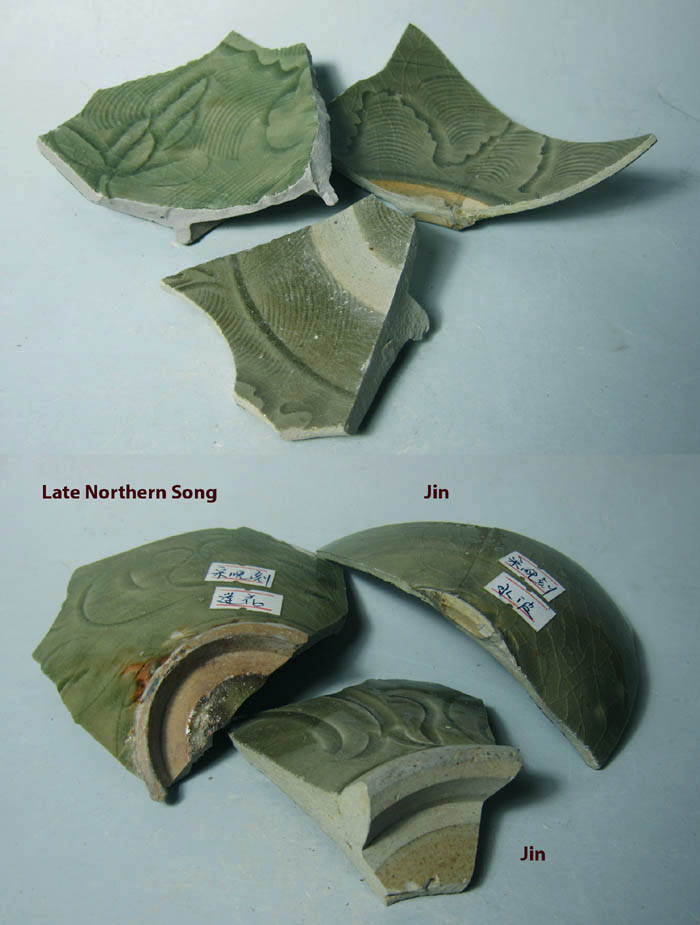  |
 |
 |
 |
| Jin Vase found in Yaozhou Liulin town Hoard |
 |
 |
| Jin Bowl with carved cow motif in Beijing palace Museum |
 |
 |
|
 |
|
| Jin Yaozhou Yuebai glaze jar ( Shanghai Museum) | |
 |
|
 |
|
 |
|
| Yuebai glaze vessels from the Liulin Hoard | |
 |
|
 |
|
| Yuebai censers from Jin period Shanxi Lantian grave |
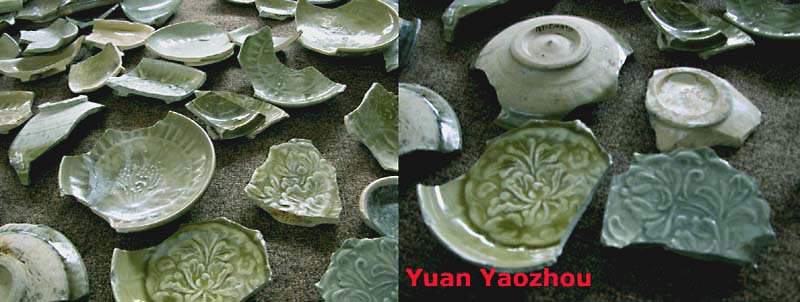
Yaozhou production declined sharply under the Yuan dynasty. Glaze quality degraded, and vessels featured lower walls with unglazed footrings. By the late Yuan period, Yaozhou transitioned to Cizhou-type iron-painted wares.
 |
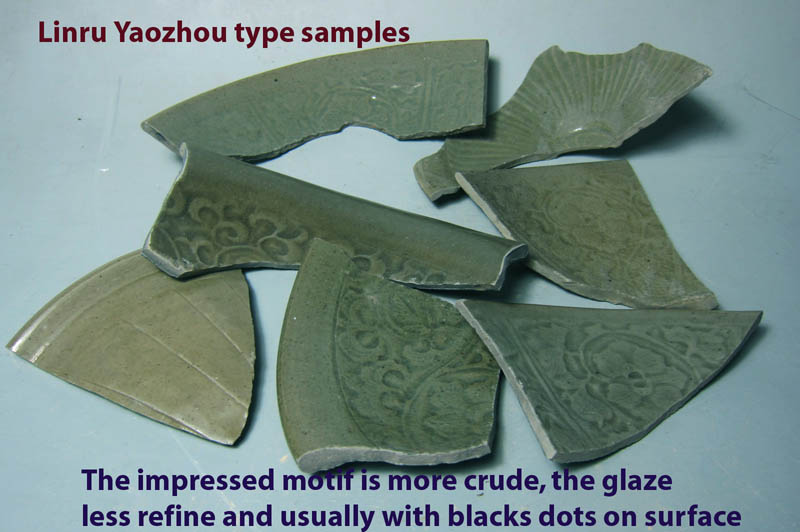
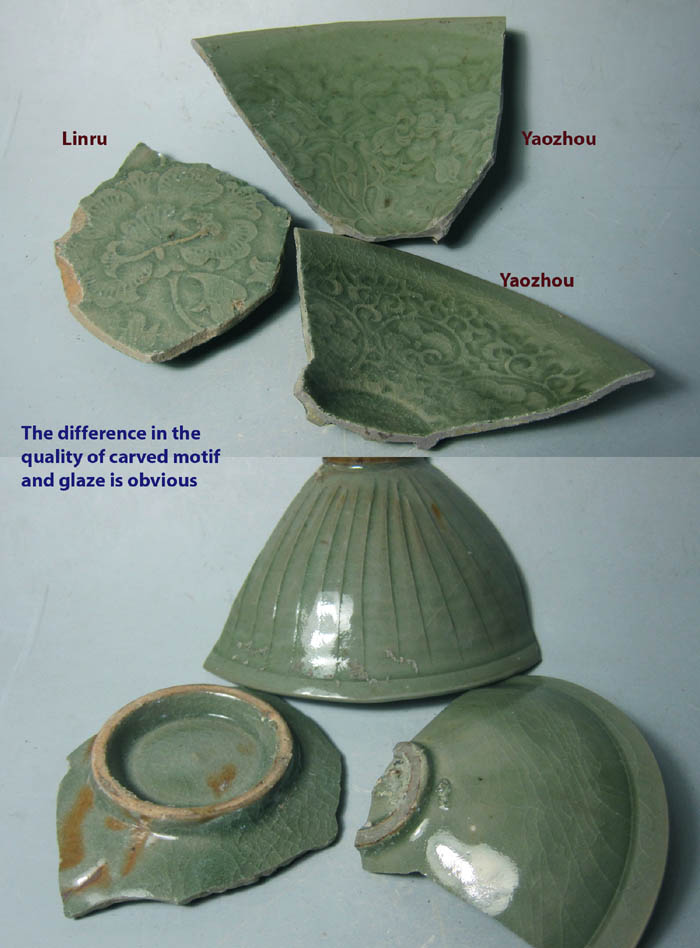
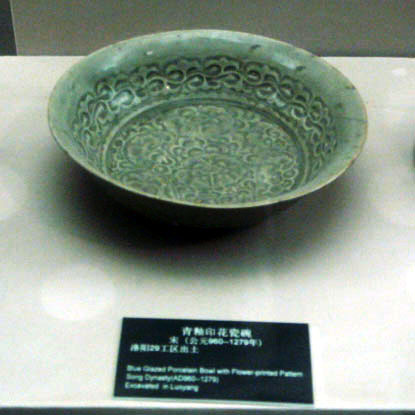
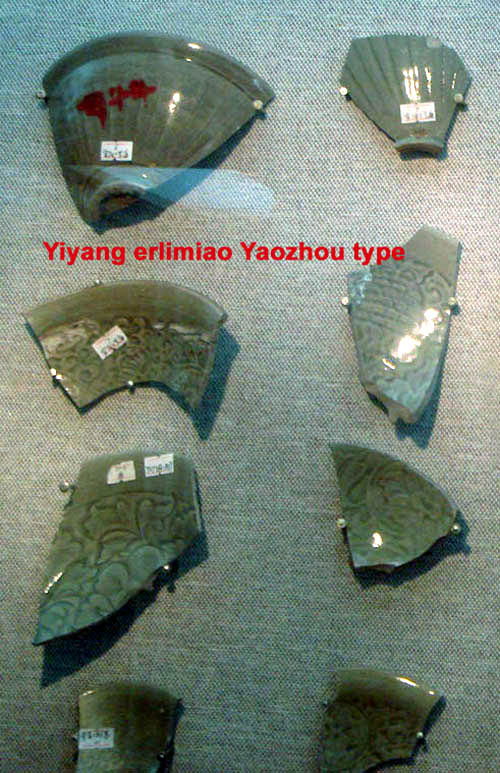
Yaozhou Kiln’s carved and stamped celadon had a profound influence on ceramics across China, impacting kilns in Henan (Linru, Yiyang, Baofeng, Xin’an, Yuxian, and Neixiang), Guangdong (Xicun Kiln), and Guangxi (Yongfu Kiln and Rongxian Kiln). These kilns collectively formed the "Yaozhou Kiln System," with Yaozhou Kiln as the leading representative.
 |
||||||||||||||||||||||
 |
||||||||||||||||||||||
 |
||||||||||||||||||||||
 |
||||||||||||||||||||||
| Linru Yaozhou-inspired examples | ||||||||||||||||||||||
|
||||||||||||||||||||||
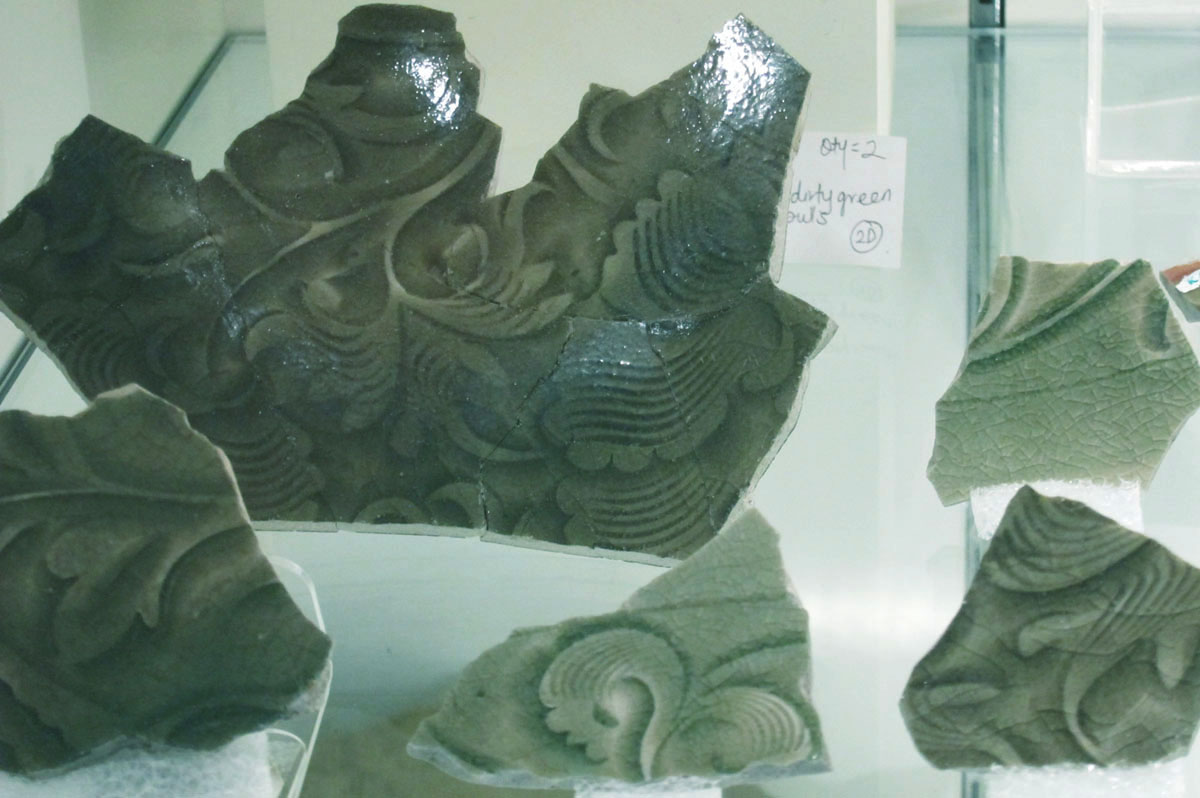
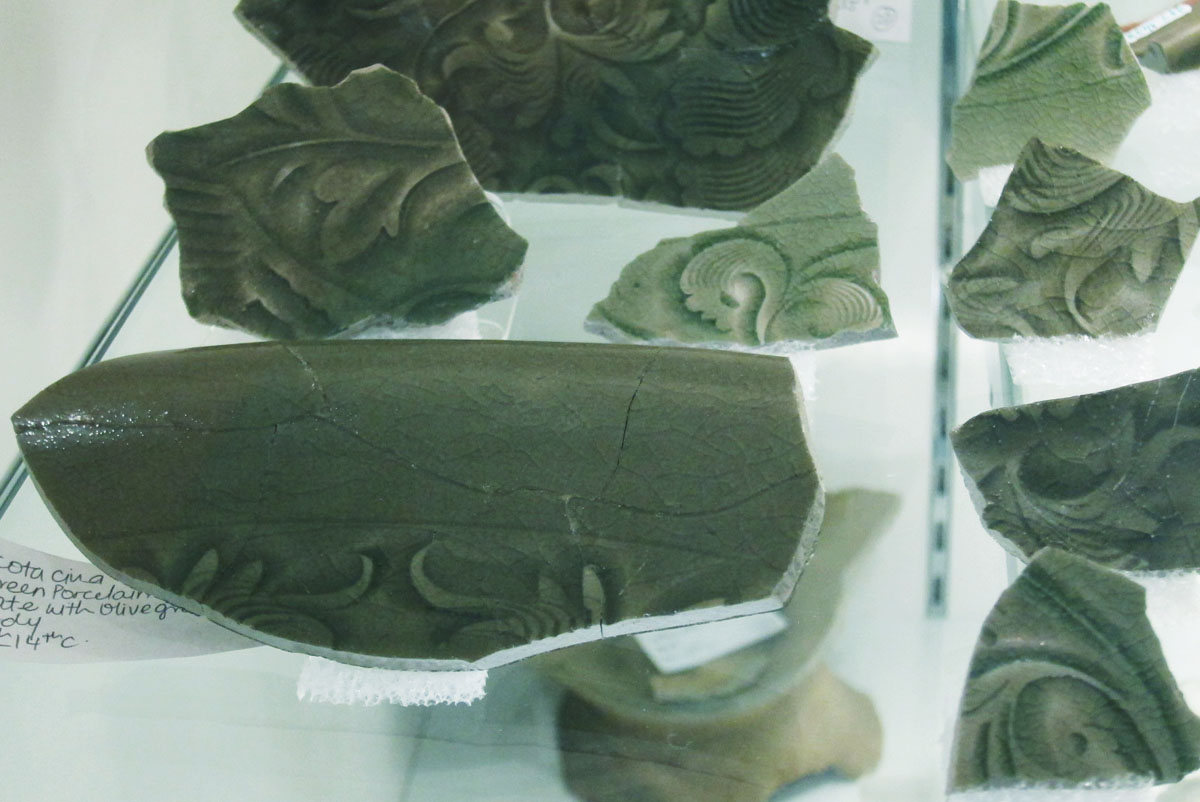
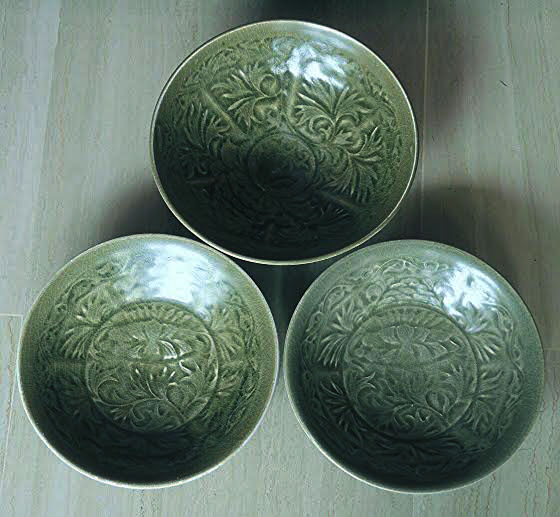
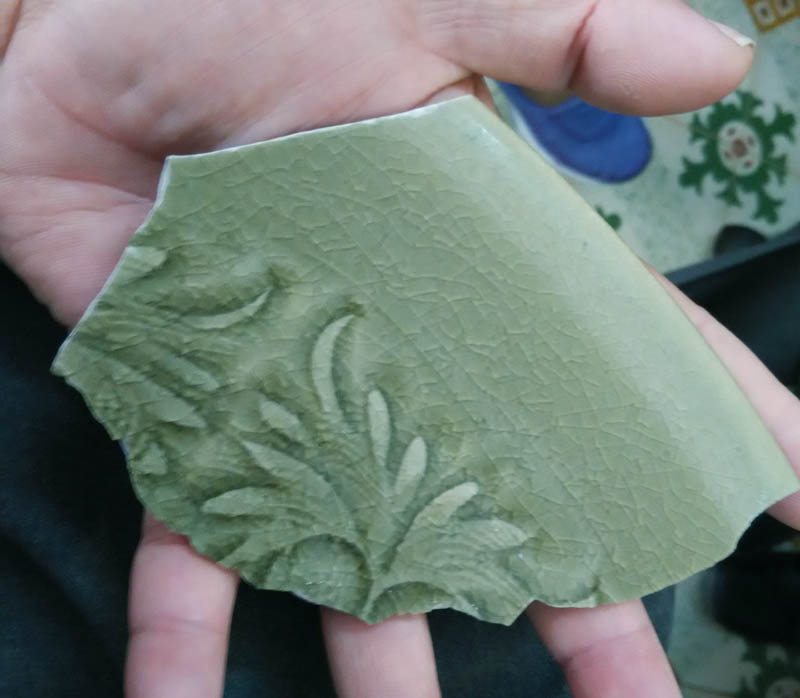
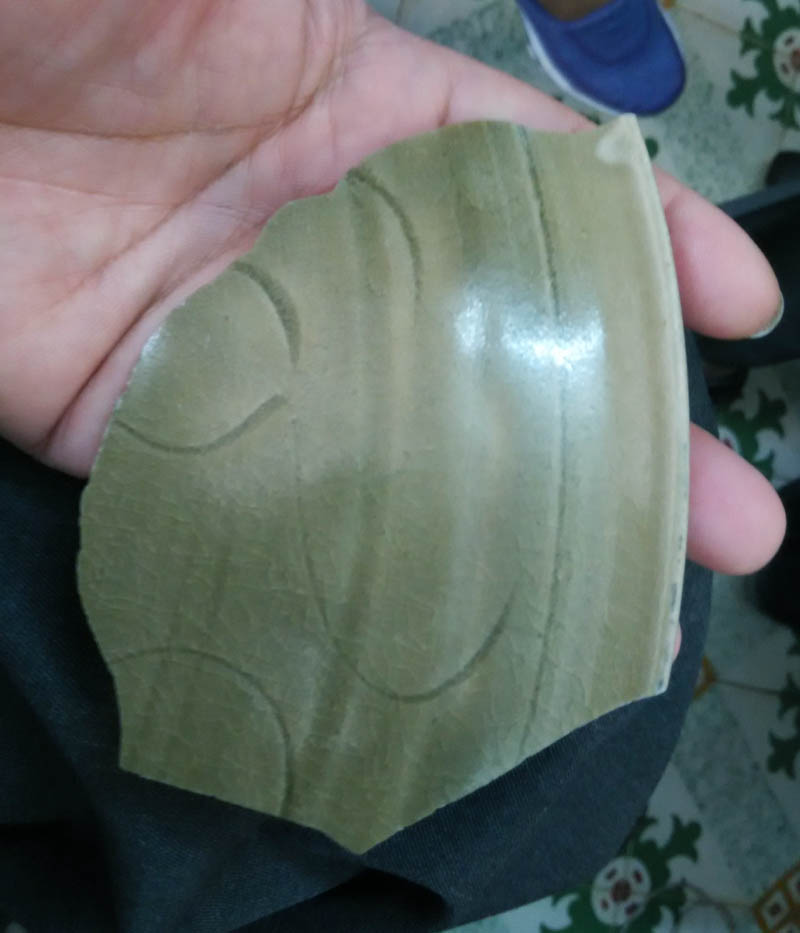
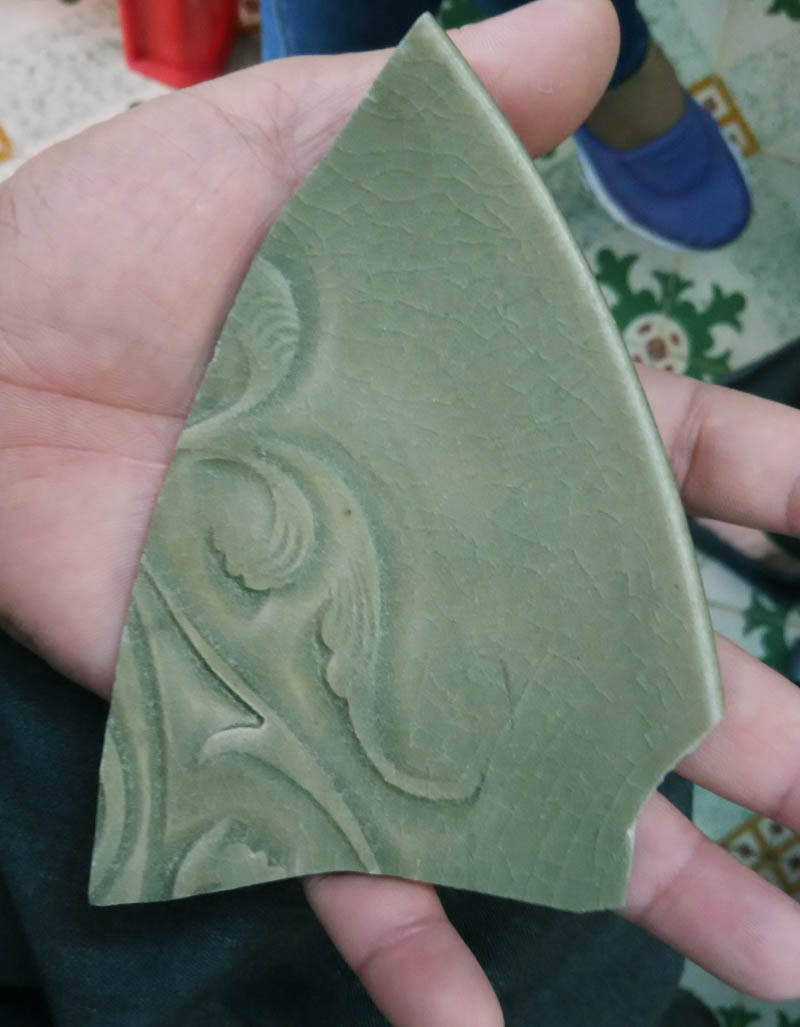
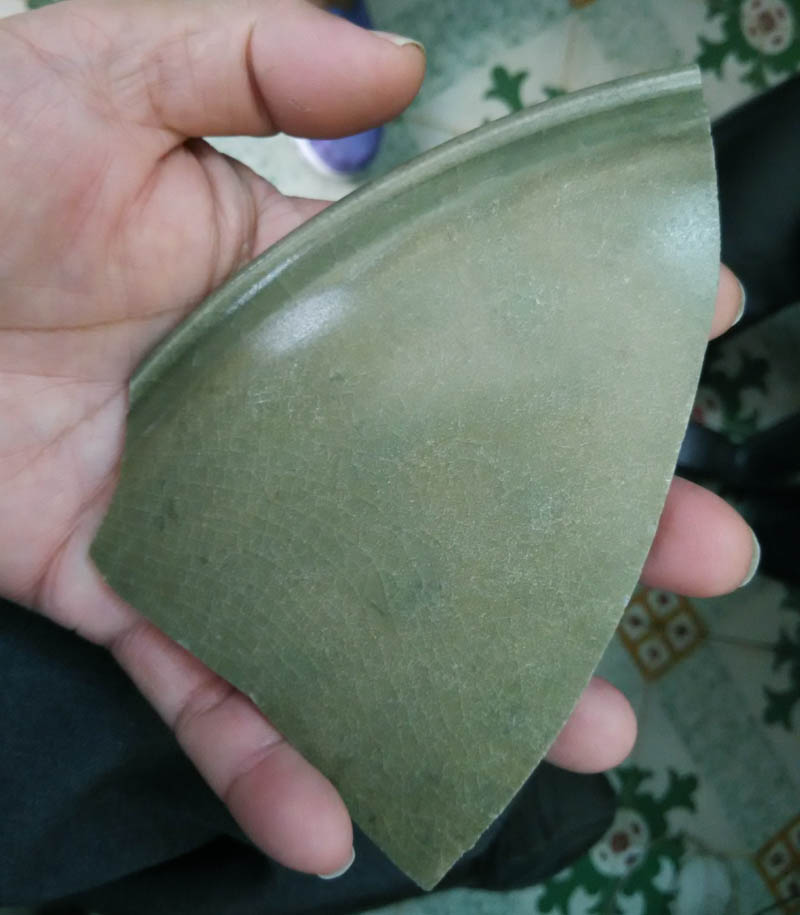
Although not a major export ware, Yaozhou fragments have been found at sites such as:
 |
|||
 |
|||
Yaozhou fragments from Kota Cina site (Singapore NUS Museum) |
|||
 |
|||
Yaozhou bowls found in Indonesia
|
|||
 |
 |
||
 |
 |
||
| Two fragments of Yaozhou bowls with carved floral motif found in Central Vietnam | |||
 |
|||
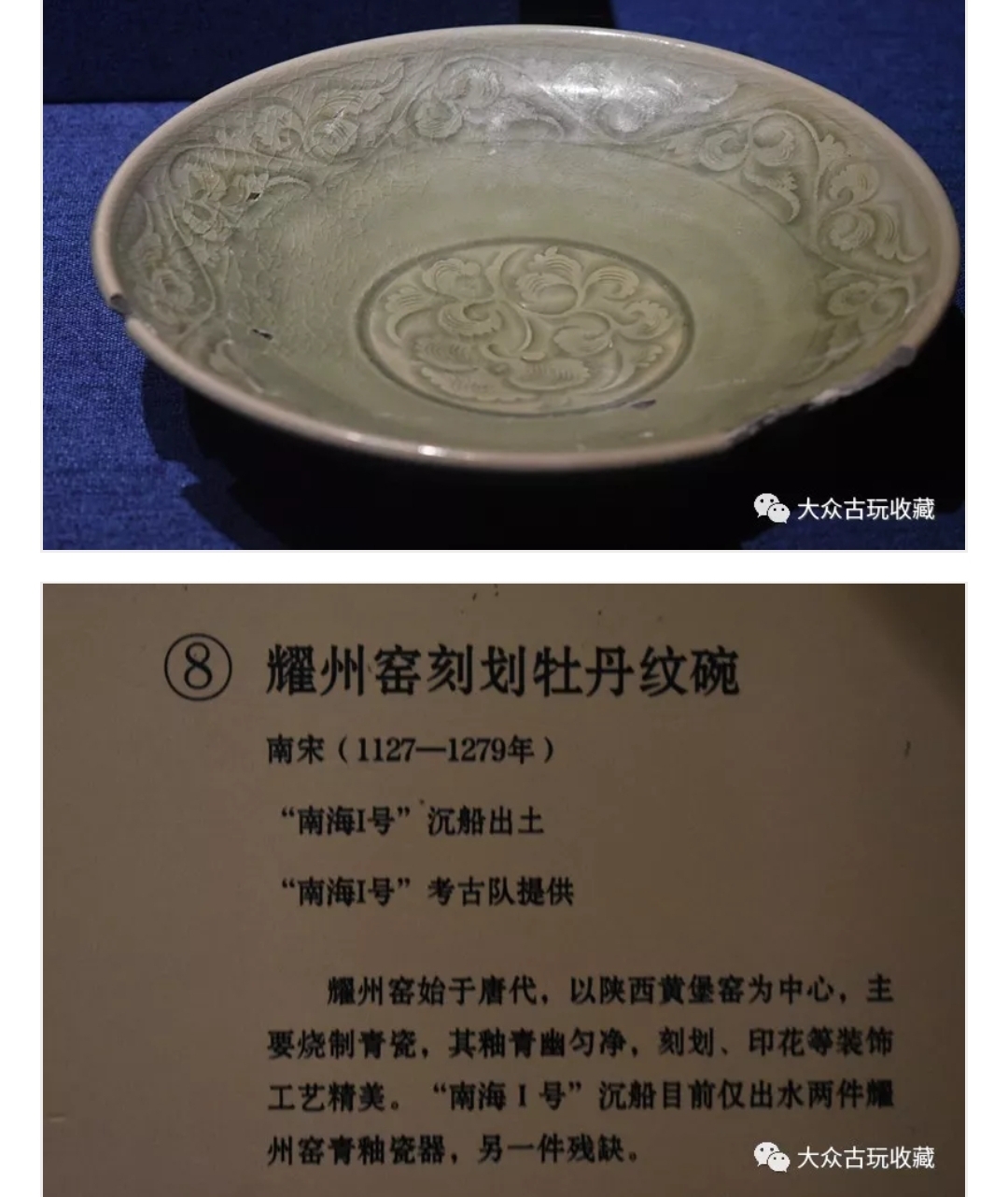
| Yaozhou dish with carved decoration (Nanhai 1 wreck) | |||
Yaozhou’s technical brilliance and artistic achievements cement its place as one of China’s most influential celadon kilns. From the Tang to the Yuan dynasty, its innovations—ranging from carved and impressed decorations to advances in glaze chemistry—helped shape the trajectory of Chinese ceramics. While its production ultimately declined under the Yuan, Yaozhou’s legacy endured through its influence on later kilns, both domestically and abroad.
Beyond China, Yaozhou wares inspired Korean celadons and left traces in Southeast Asia through trade and cultural exchange. Its refined aesthetic, meticulous craftsmanship, and technical ingenuity continue to captivate collectors, scholars, and ceramicists today, ensuring its place in the history of ceramic artistry.
Written by : NK Koh (6 Mar 2008) , updated: 25/2/2017, updated: 8 Mar 2025