Vietnamese blue and white
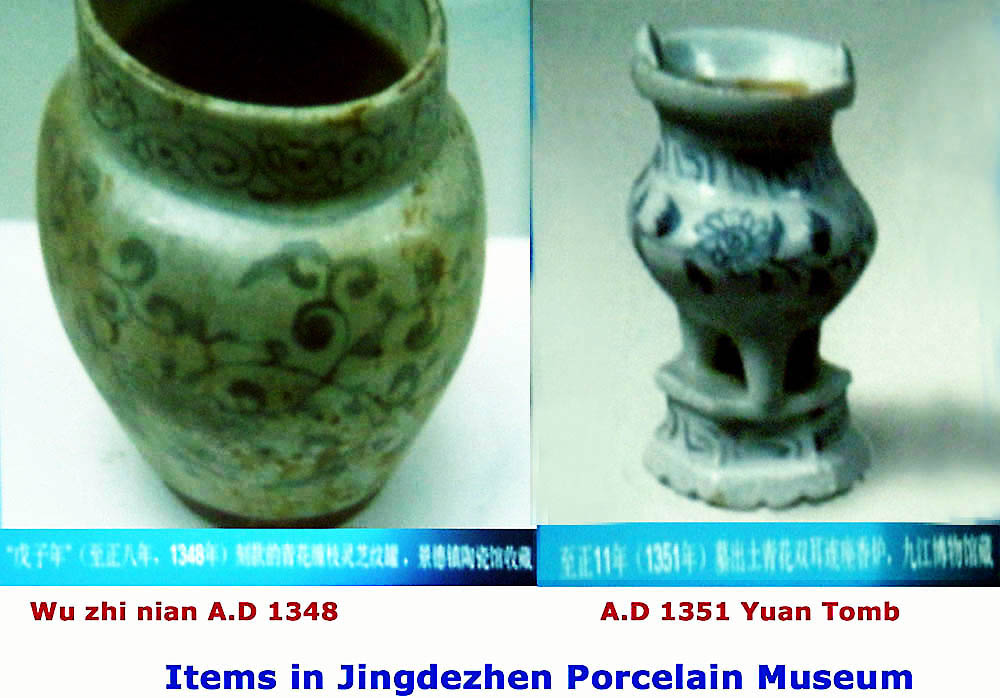
Recent excavations in Jingdezhen has not uncovered any datable piece of blue and white before A.D 1335 A.D. Most of the finds in early A.D 1340s consisted of just simple inscription. The earliest one with simple floral motif was from a tomb dated A.D 1348. Another example was dated A.D 1351. For more on Yuan Blue and white, please read this article.
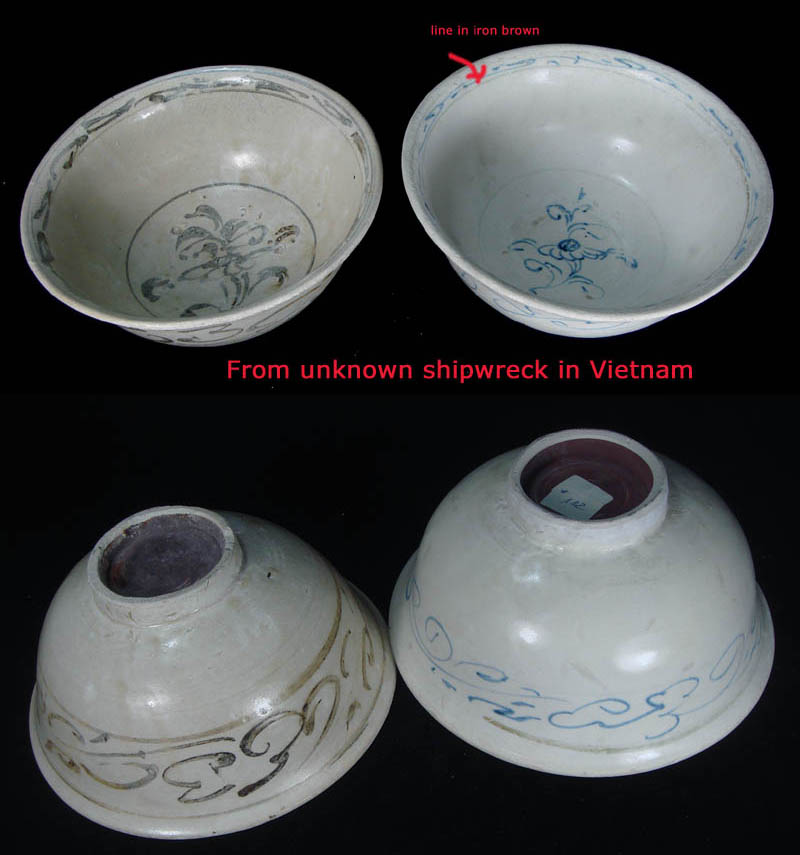
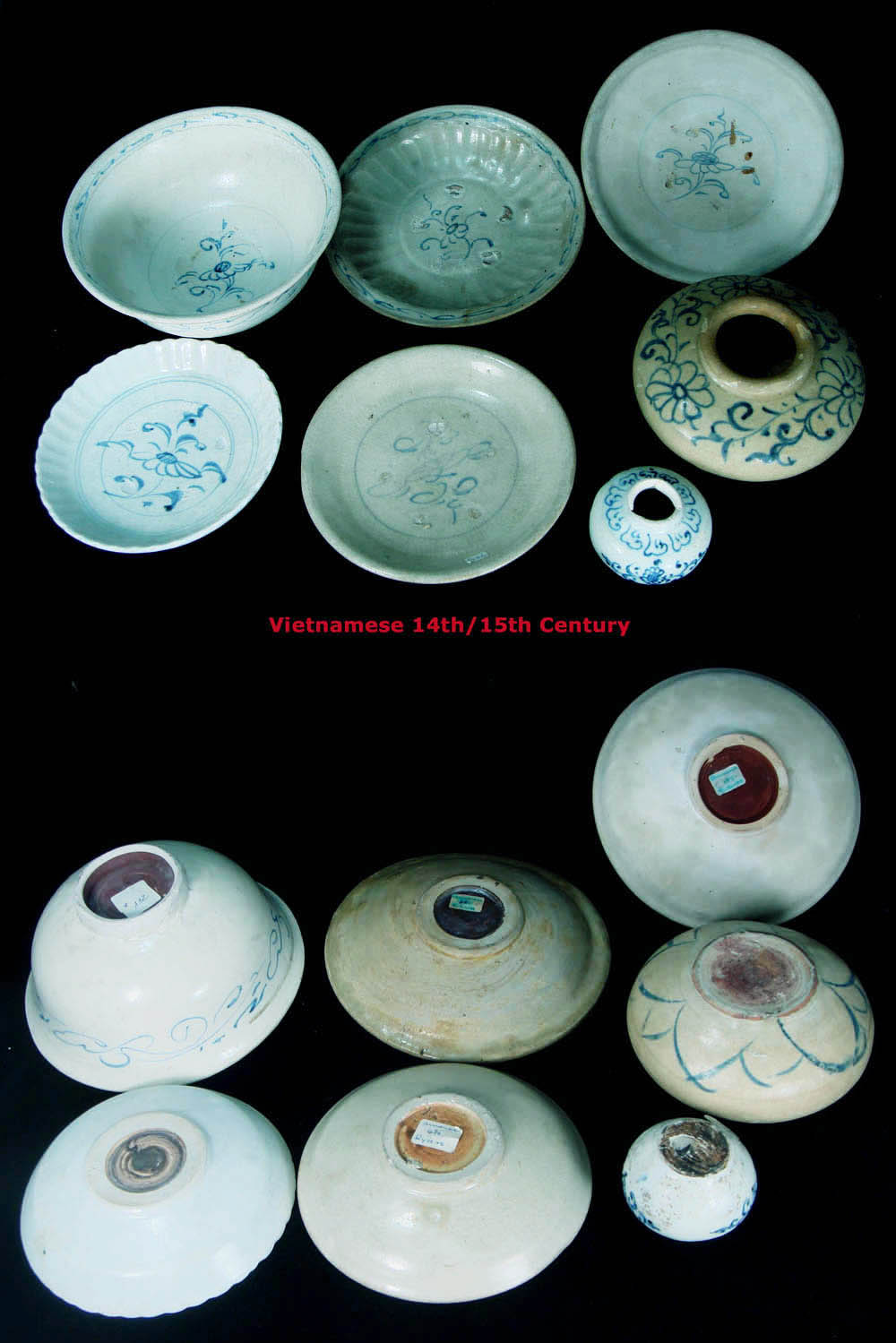
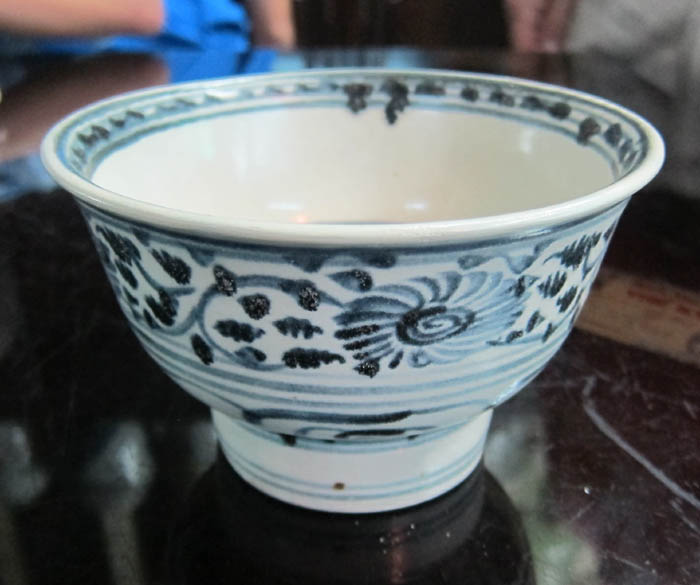
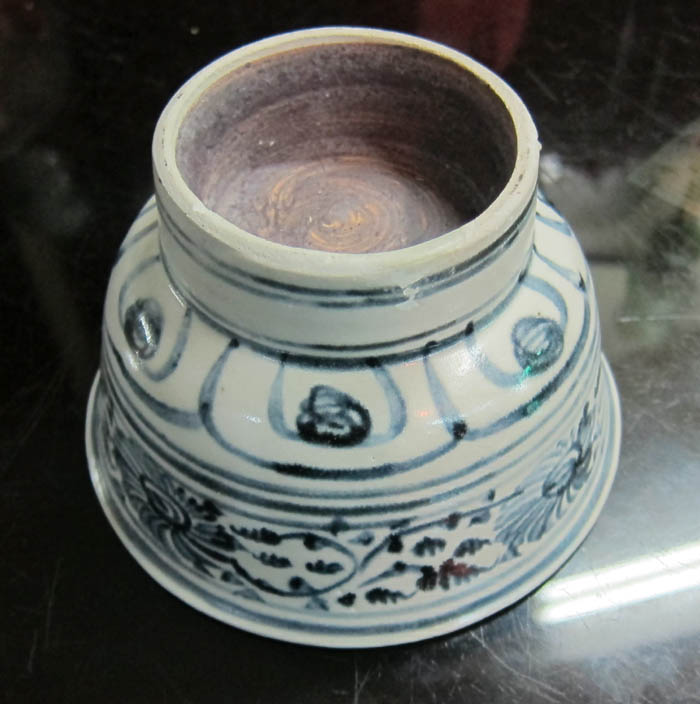
The production of Vietnamese blue and white is unlikely to be earlier than that produced in China. Hence, the use cobalt blue on Vietnamese blue and white wares most likely took place not earlier than A.D 1350. The earliest examples consisted of simple floral design that were similar to those found on the iron-brown painted wares. Based on archaeological findings, we are certain that iron brown decorated wares were first introduced during the early 14th century. Apparently, both were produced simultaneously for a period of time. After which iron-brown painted wares were phased out by first half of 15th century. Illustrated below are two examples from an unknown shipwreck in Vietnam. The blue and white bowl has the line near the rim in iron-brown.
Majority of the late 14th/early 15th century Vietnamese blue and white consisted of wares decorated with floral or cloud like motif. There are spur marks on the inner base of bowls and plates. The latest known example with chrysanthemum scroll and cloud like motif on external wall was found in the Pandanan shipwreck which based on some Chinese blue and white wares found together, most likely dated to about A.D 1440/50. All came with a bright azure blue and according to Adrian Joseph the cobalt is of Middle Eastern origin.
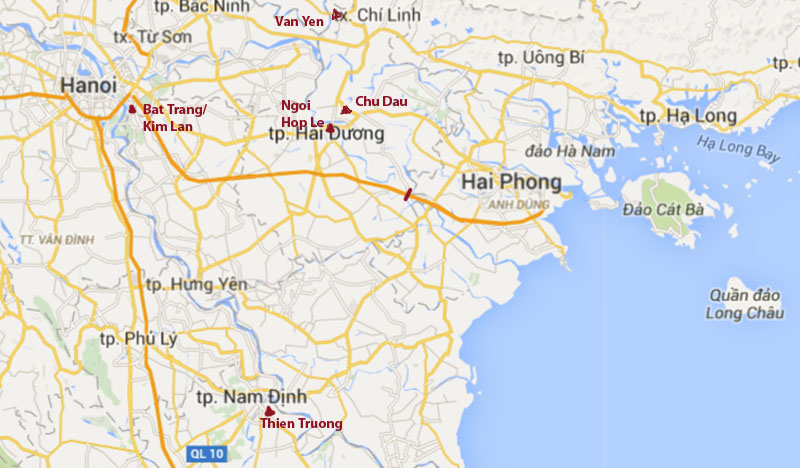
Archaeological surveys revealed that Iron-brown/early blue and white were produced in Dai La complex in Hanoi, Kim Lan located near Bat Trang, Tuc Mac complex/Con Che in Thien Truong Prefecture and Van Yen kiln complex. Early Blue and white sherds were also found in Chu Dau in Hai Duong region.
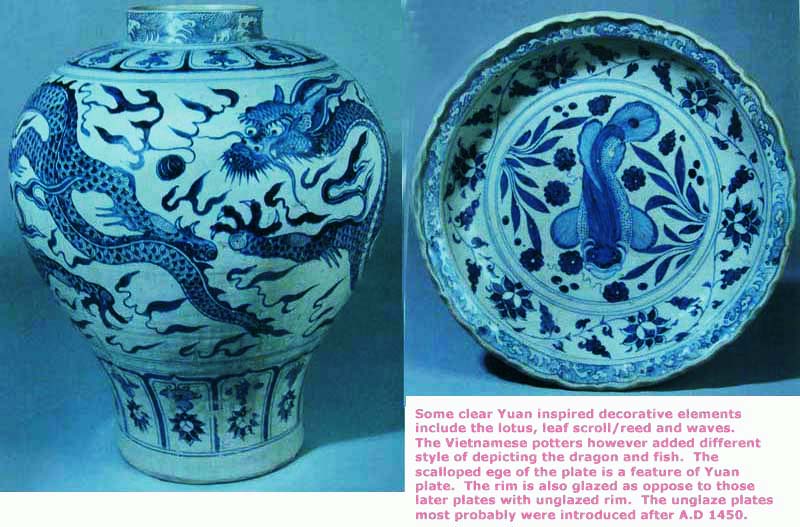
By the late 14th/early 15th century, the Vietnamese potters were already capable of painting highly sophisticated blue and white decorations. Pieces from that period showed strong influence of Chinese Yuan blue and white decoration.
The introduction of elements from Ming blue and white may have taken place during the Ming occupation of Vietnam from A.D 1407-1427. The most distinct influence seems to be in the introduction of Early Ming-shaped vessels such as the below on the right dated to A.D 1450. Yuan decorative elements still appeared to prevail as demonstrated in the below two vessels.
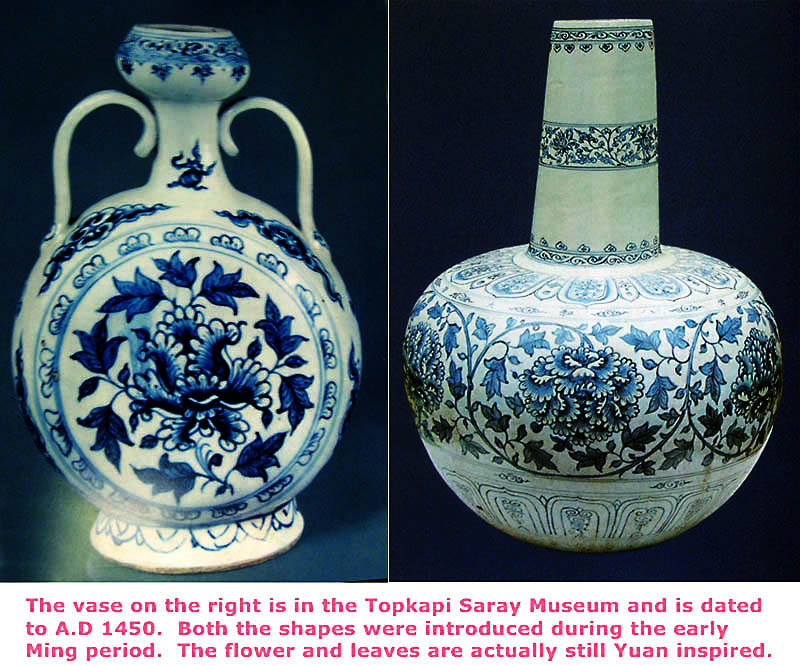
Vietnamese blue and white of the pre 1450 phase could be identified by their Yuan/early Ming form and Yuan-style decorative elements.
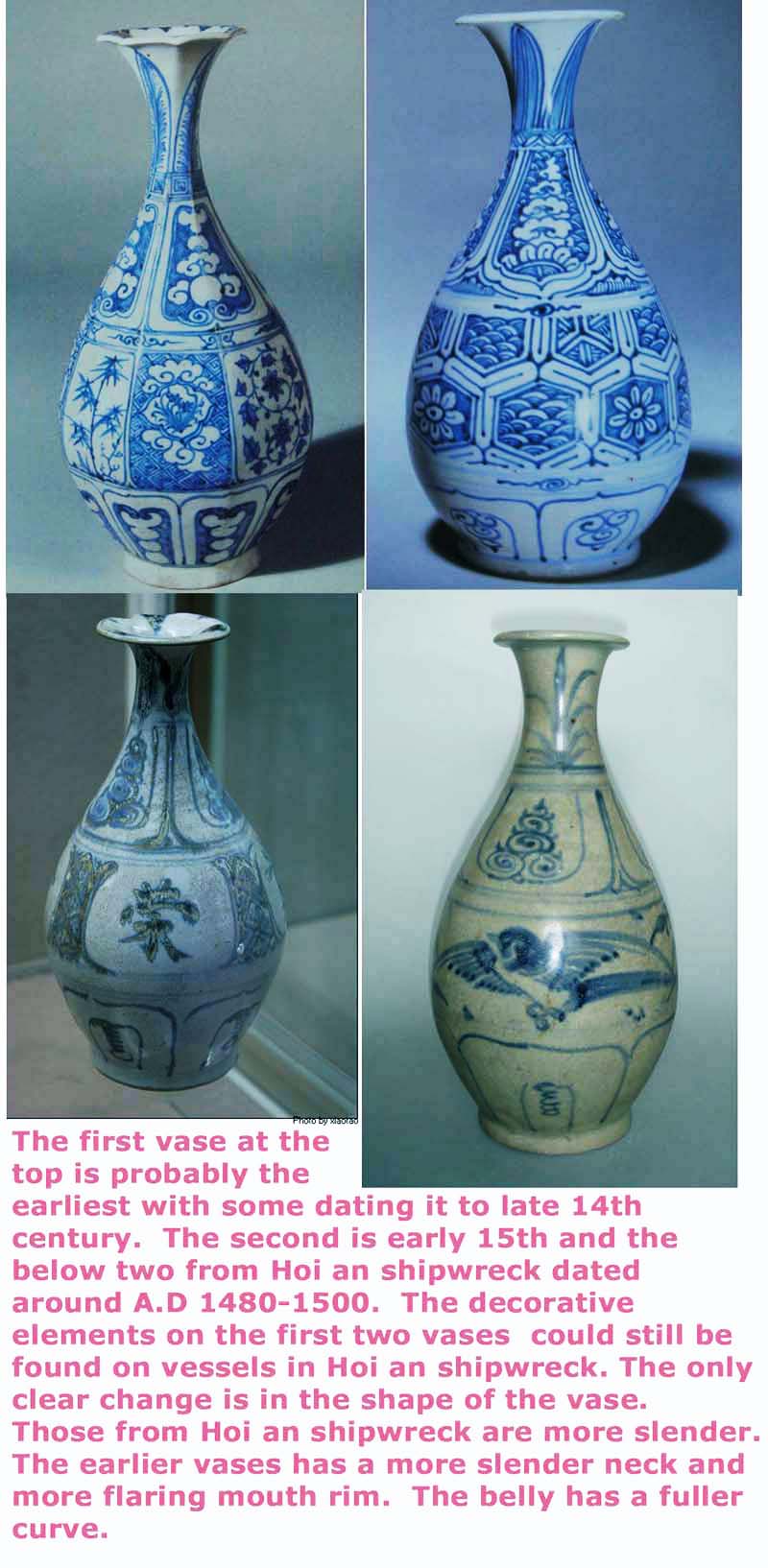
The second half of 15th century was the golden period of Vietnamese blue and white. During this period, the Vietnamese potters introduced their unique style of decorations and many new innovative vessel forms. In fact, majority of the Vietnamese blue and white found overseas were from this duration. Archaeological surveys revealed that two districts in Hai Duong Province, Nam Sach and Binh Giang have the greatest concentration of kilns that producerd blue and white wares. Among them Chu Dau in Nam Sach and Ngoi kiln complex in Binh Giang were the biggest producers.
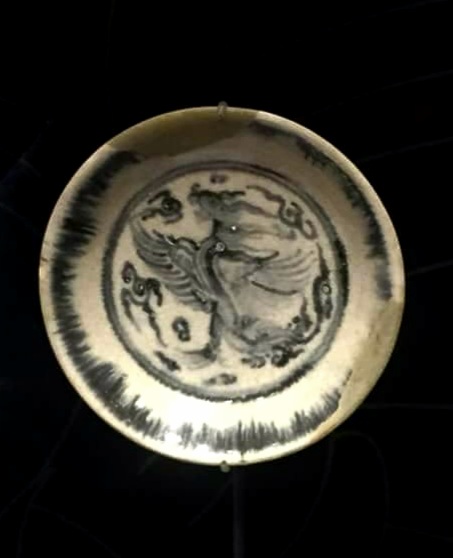
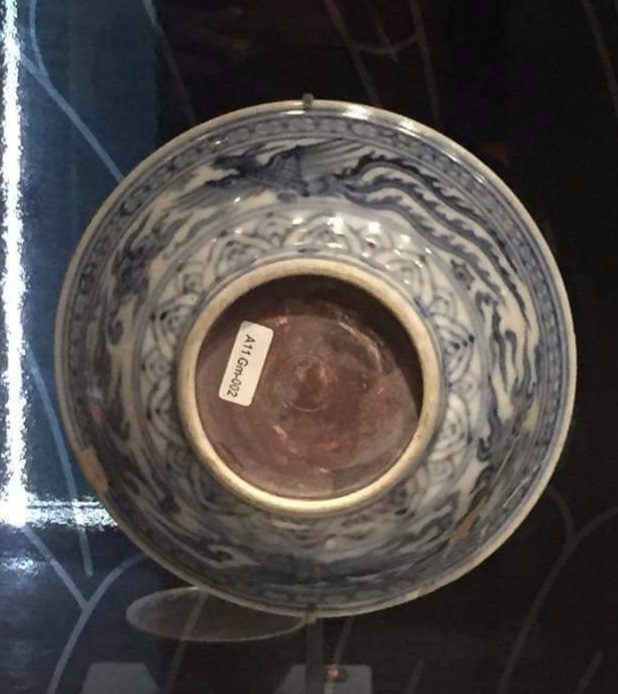
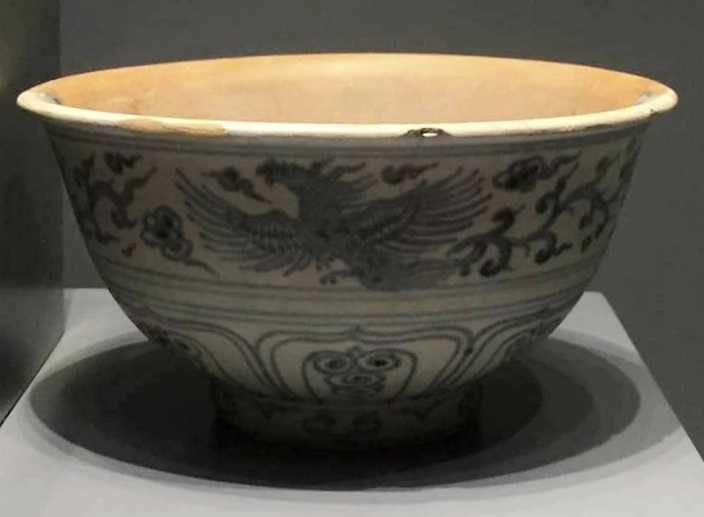
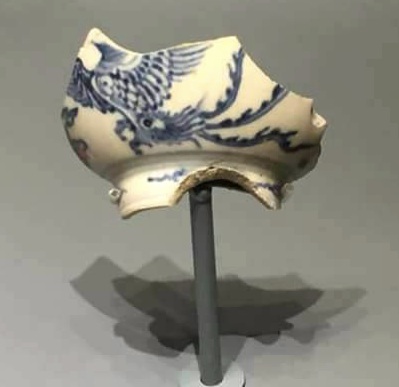
Extensive excavation of the Hanoi Thang Long Citadel ancient site after 2002 revealed important information to correct our view regarding the production of Blue and white and the overglaze enamelled wares. In the past, Chu Dau has been identified as the main production centre for such ceramic items. However, numerous high quality artefacts found at Thang Long confirmed that the kilns there were the actual production sites which also served the needs of the Imperial Palace.
 |
||
 |
||
 |
||
 |
||
| Blue and white artefacts found at Thang Long Citadel site |
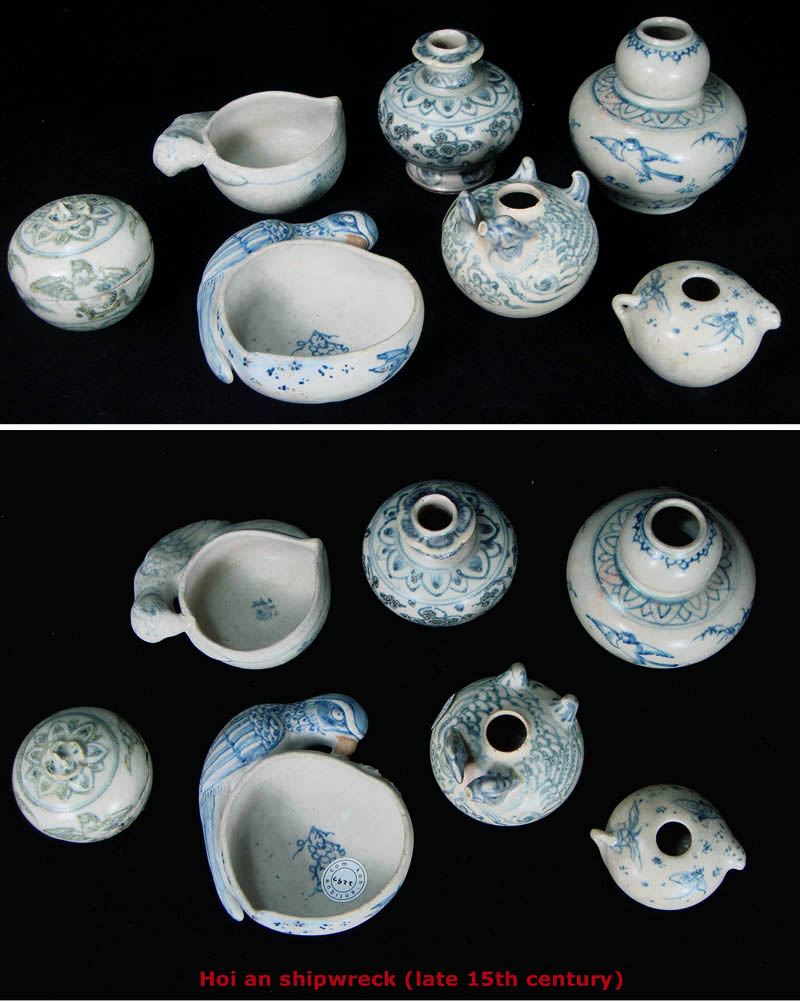
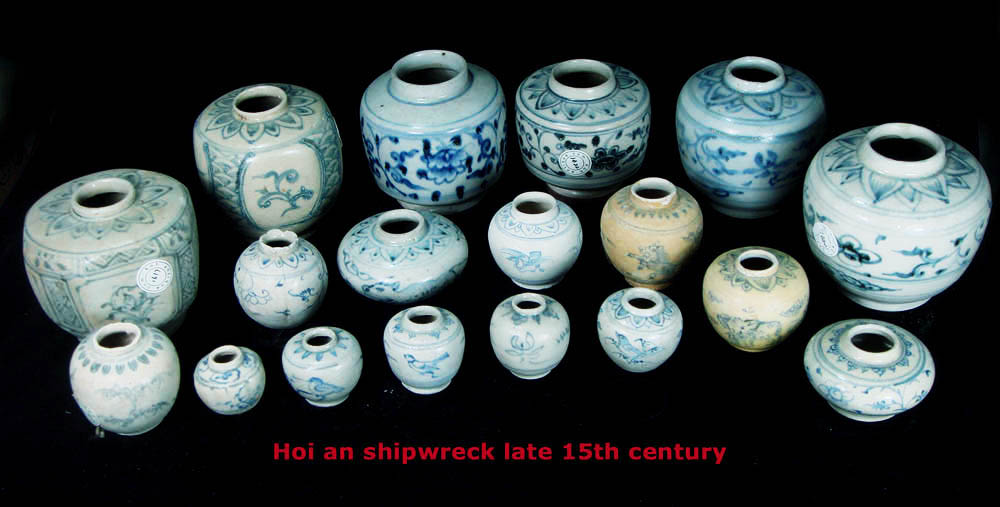
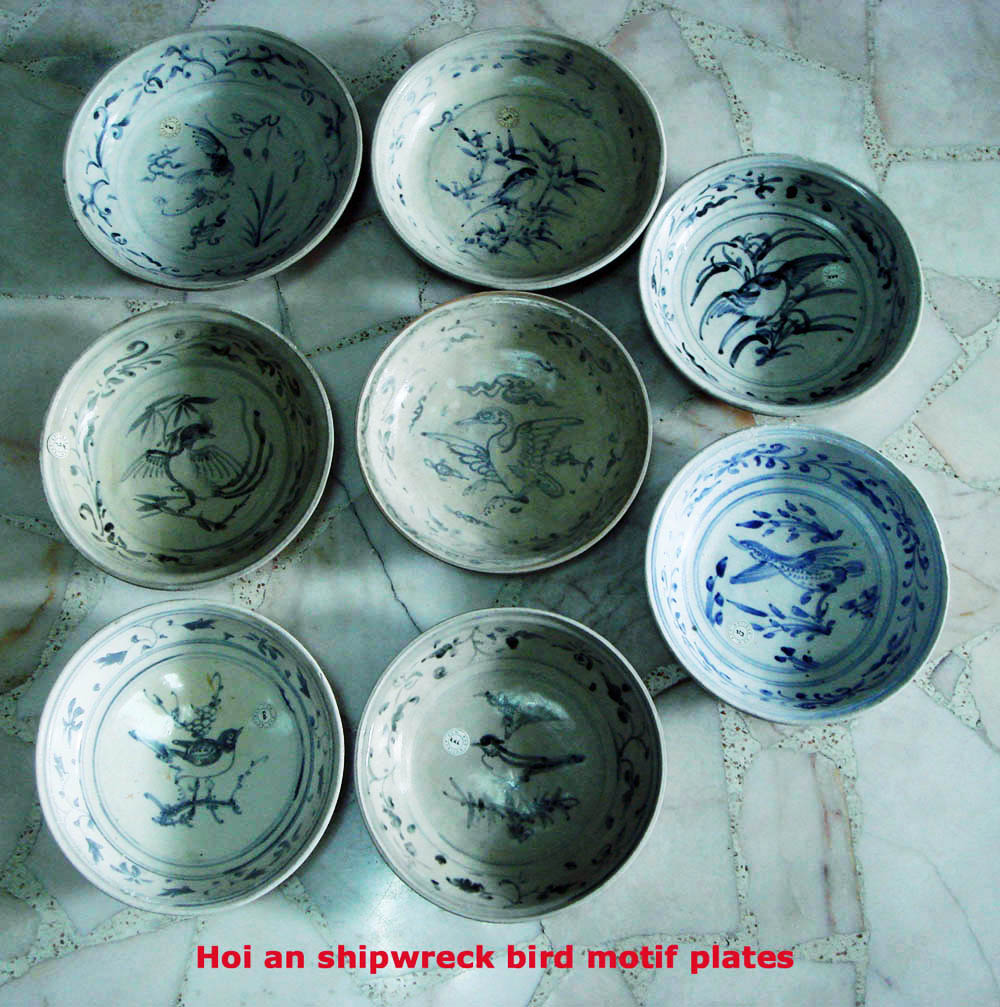
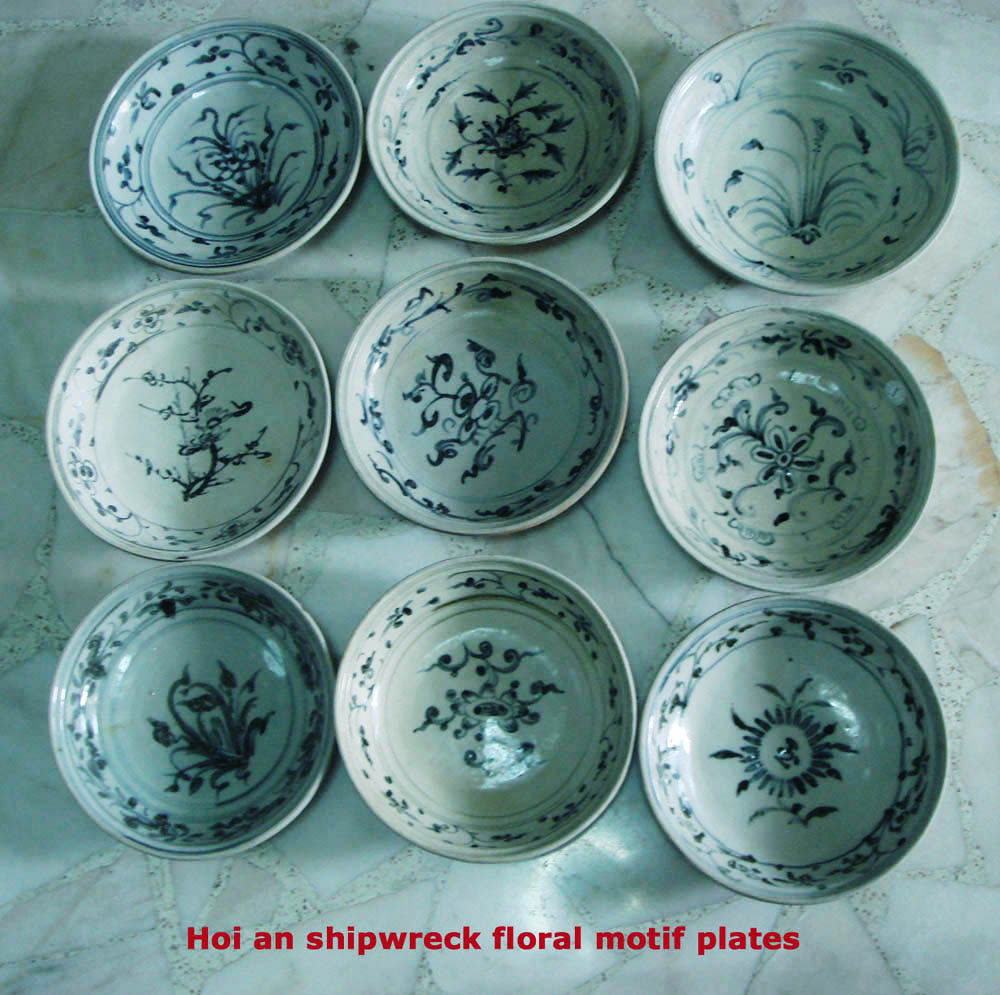
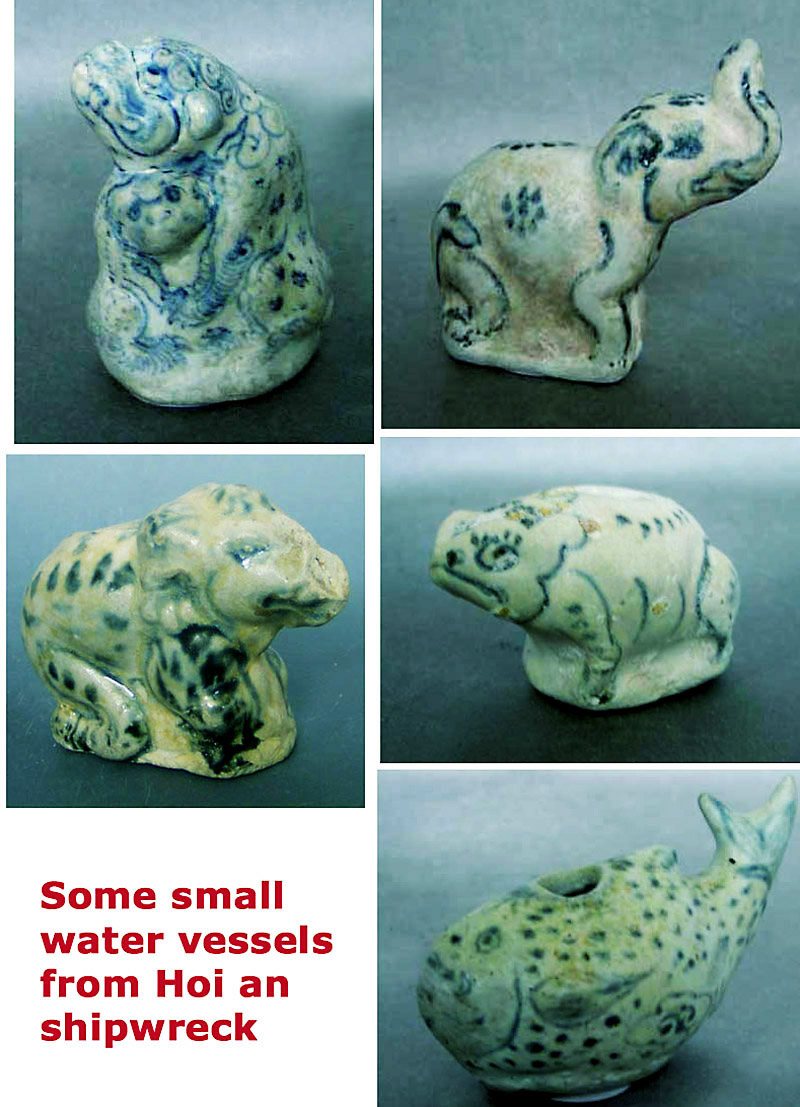
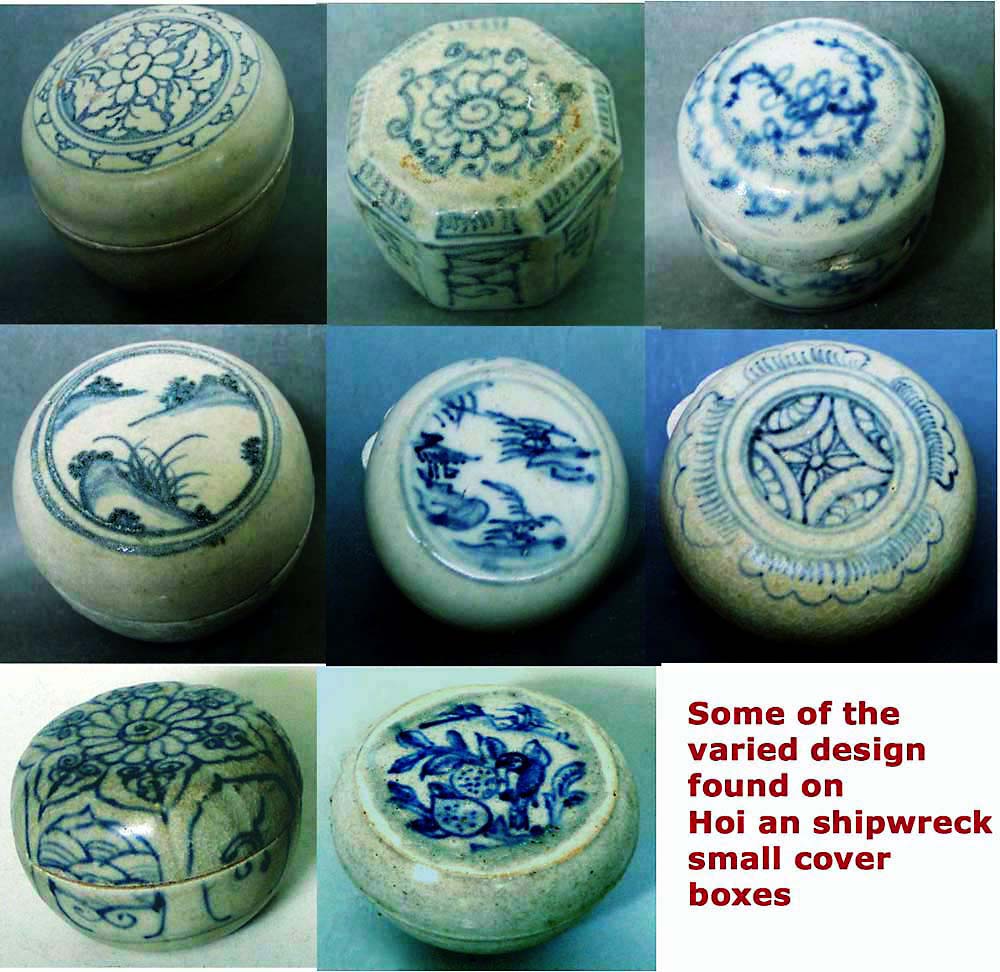
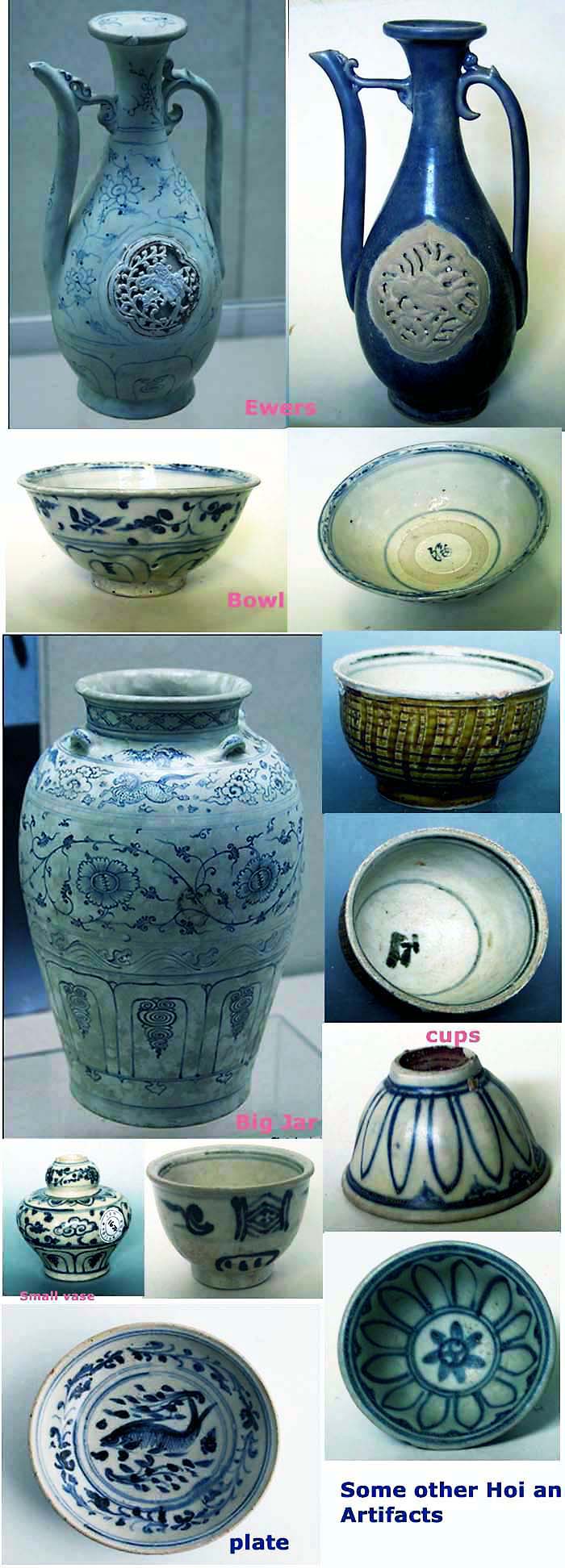
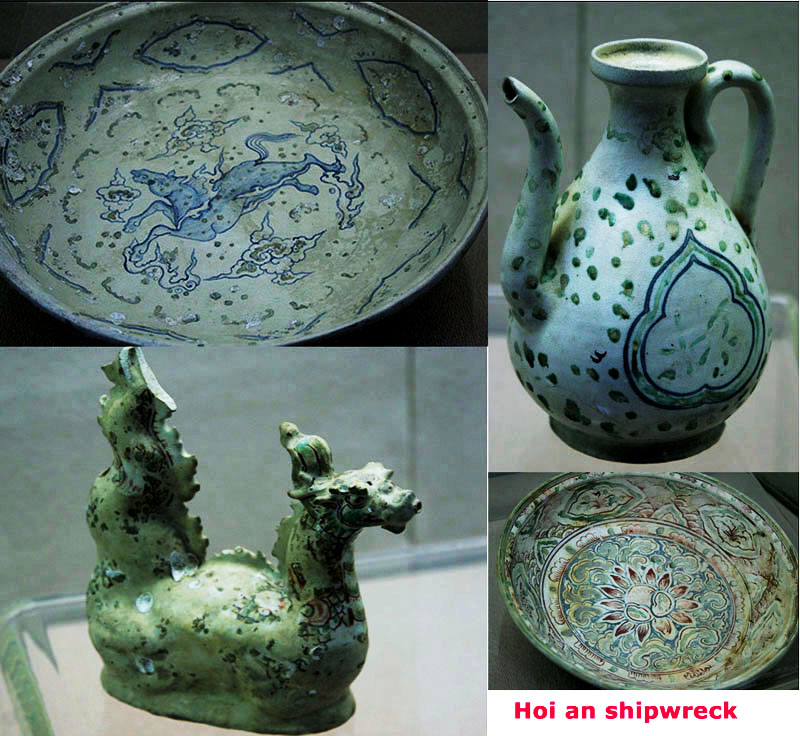
The discovery of the Hoi an shipwreck is a very important event for Vietnamese blue and white. The large cargo of Blue and white wares is evidence of the popularity of the wares overseas. In fact, it is also a show case of the high quality and the wide range of wares that were produced. Generally, the dating is established as A.D 1480 -1500. But there are evidences that the date of production of the wares could be earlier. In the Hoi an wreck, there were some Chinese blue and white that showed characteristics of Ming Interregnum period/Chenghua period. One is a bowl with waves motif on the exterior and 4 floral sprays on the internal wall. Another is a blue glaze bowl with vajra motif on the interior. They were said to be the belongings of the crew. Another piece of evidence that support possible earlier dating is two Vietnamese blue and white cover boxes with floral motif in the Royal Nanhai wreck. In the wreck there were also some Ming interregnum period blue and white items. Please refer to this on Royal Nanhai wreck. Hence, a dating of 1460/1470s for the Hoi an wreck is a possibility that could not be ruled out. Such blue and white wares were still found found in the Hongzhi period (1487-1505 A.D) Lena cargo in Palawan strait of the Philippines. However, the quality of the wares has deteriorated and it seems that by then, Chinese blue and white has overtaken as the commodity demanded by the overseas customers.
The fact that it was the peak period of Vietnamese blue and white production is not coincidental. It occurred during the reign of Emperor Le Thang Tong (A.D 1460 - 1497) when Le Dynasty was at its strongest both economically and politically. In the year 1471 A.D, the Le Army decisively defeated Champa in Central Vietnam. It ensured the Le Dynasty's control over the maritime trade route along Vietnam coast. That would definitely have a positive impact on the ceramics production and export.
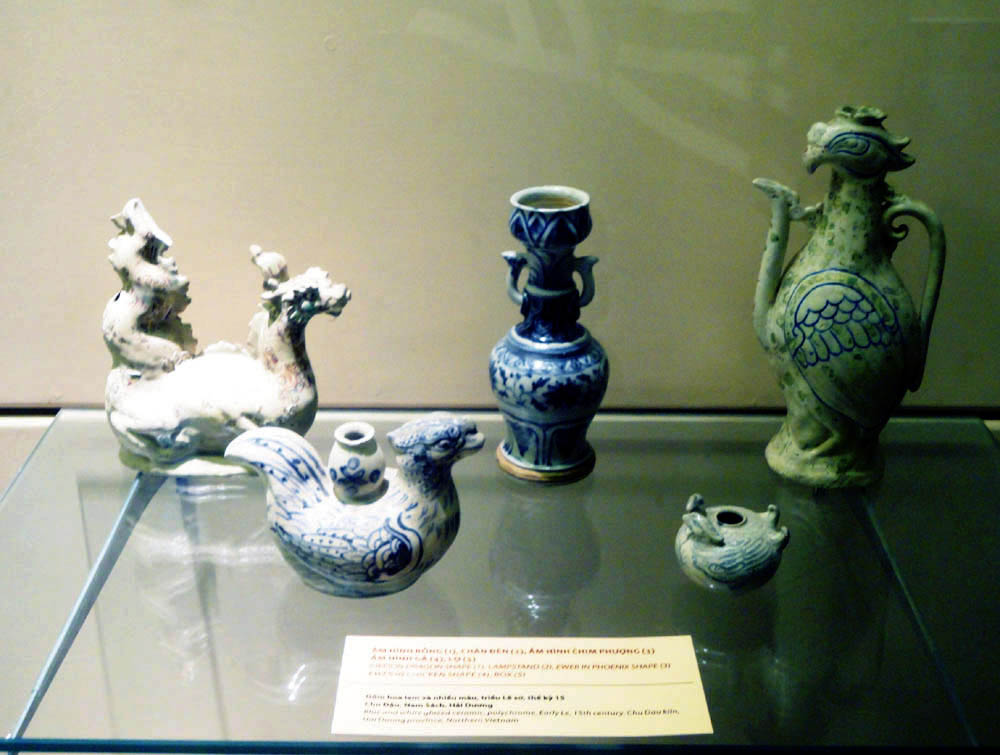
15th Cent. Blue and white in Vietnam History Museum
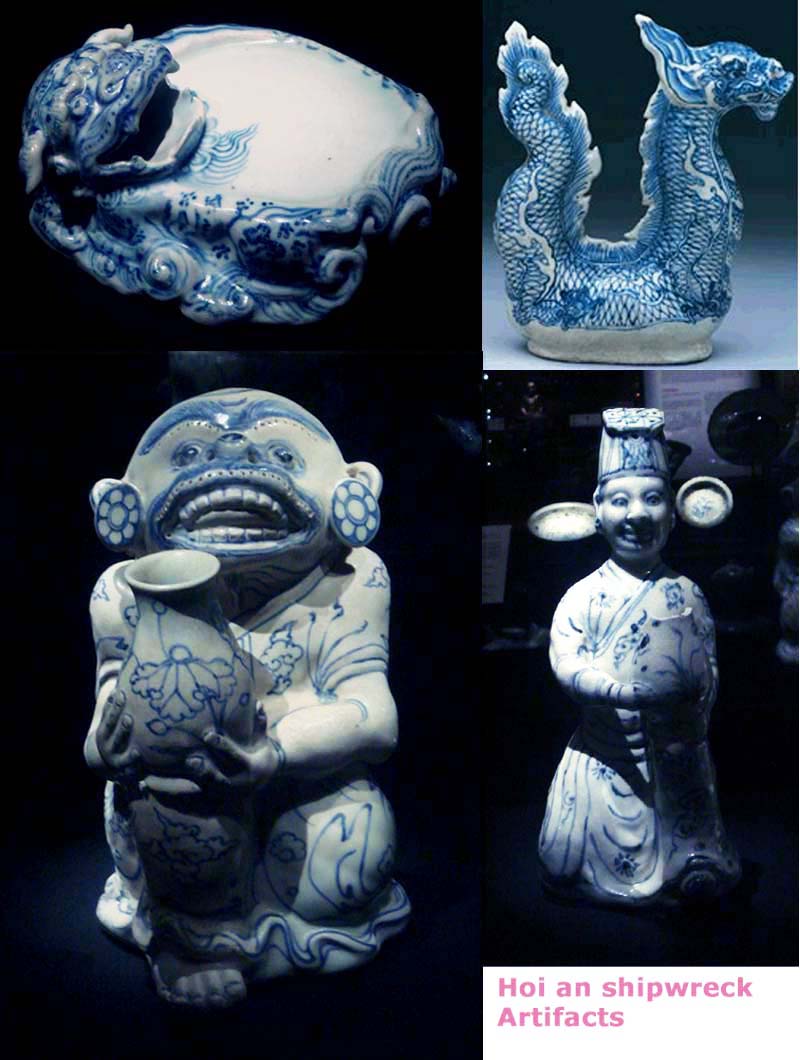
More than 250,000 items were recovered from the Hoi an wreck. The range of decorative motifs/designs and the form of vessels is numerous. It serves as a good reference to identify blue and white of A.D 1450-A.D 1500. The majority were likely produced in kilns in Chu Dau but some of the best pieces could be from Thang Long.
 |
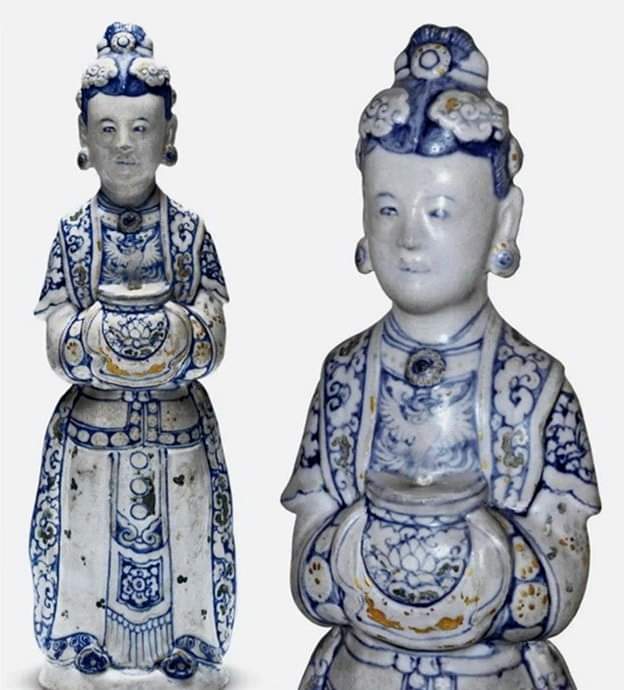 |
| Such high quality and elaborate pieces were likely produced in kilns in Thang Long |
 |
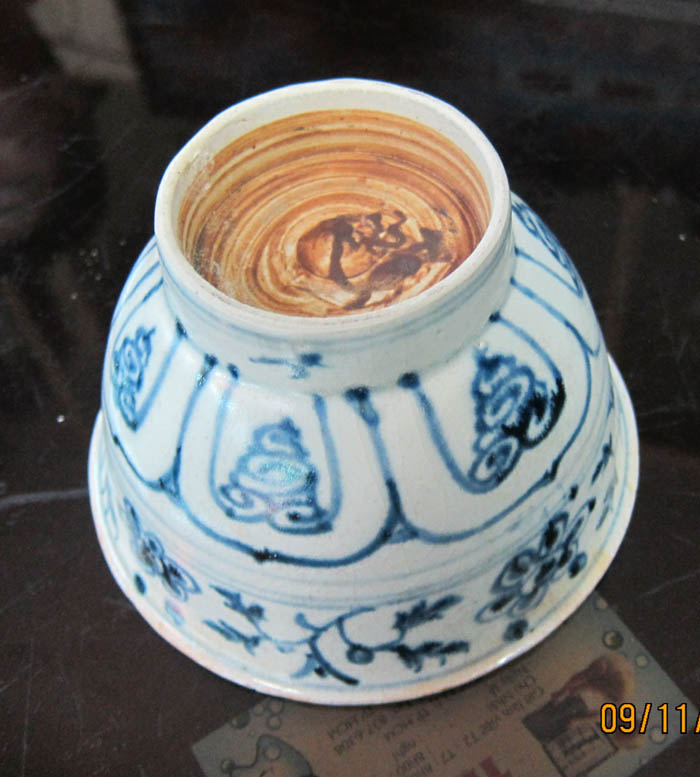 |
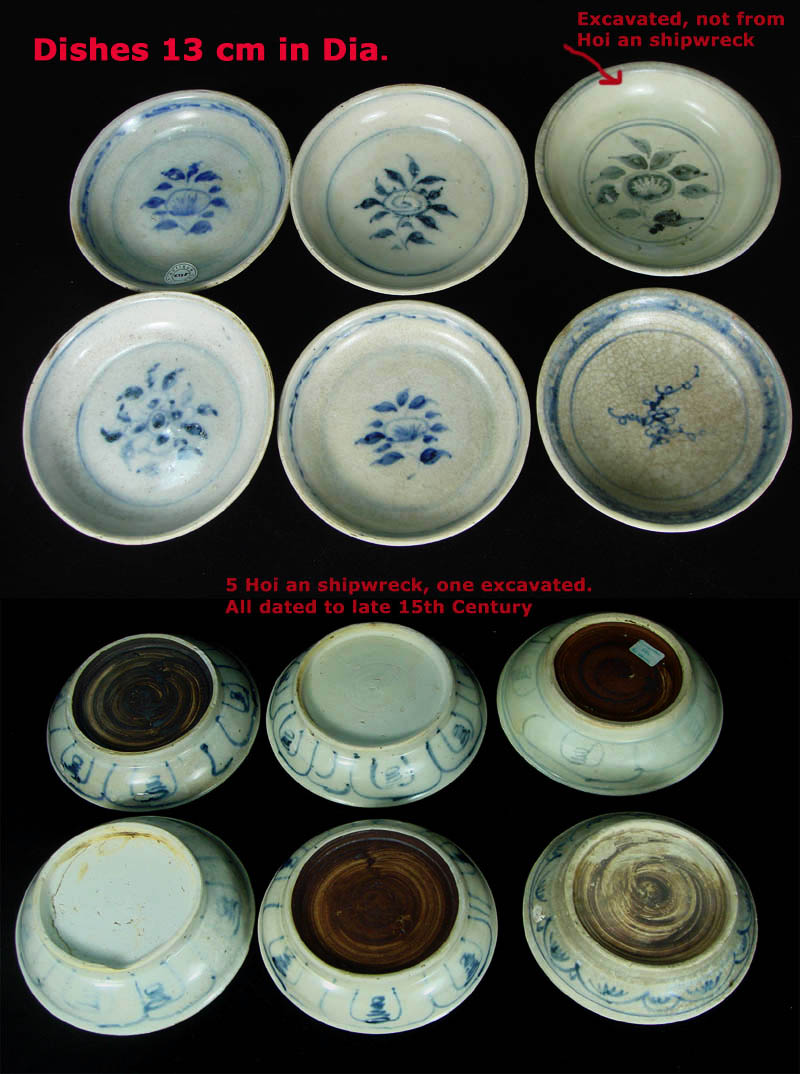
| Above more average quality pieces were likely from Chua Dau kilns |
The Le throne was usurped by Mac Dang Dung in A.D 1527. He was challenged by a movement led by the Trinh and Nguyen clans to restore the Le Dynasty. The period of instability adversely affected the ceramics industry. It most likely suffered and declined during the ensuing period of civil war after 1527 A.D. During the 16th/17th Century, Chinese blue and white also appeared to capture quite a big share of the Vietnamese market. A good indication was numerous Ming blue and white of that period found in graves in provinces near Hanoi.
Comparatively, Vietnamese blue and white found in Vietnam dated to 16th century is much lesser than those from the 15th Century. Archaeological surveys in recent years shows that during the 16th century, blue and white were still produced in kilns in Hai Duong Province, mainly Chu Dau, Ngoi and Hop Le. Bat trang also emerged as an important blue and white producer during the 16th/17th century and till today is still an important porcelain production centre.
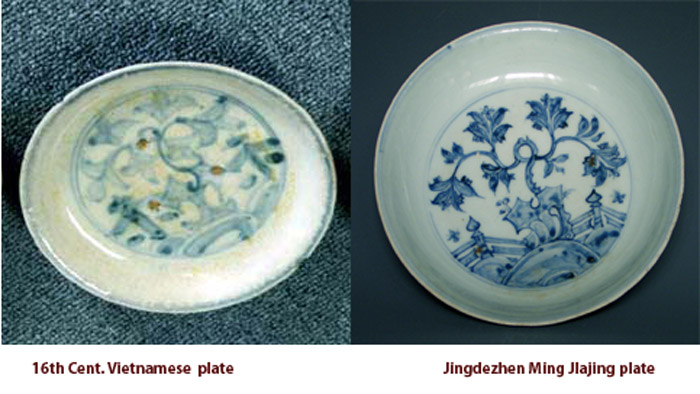
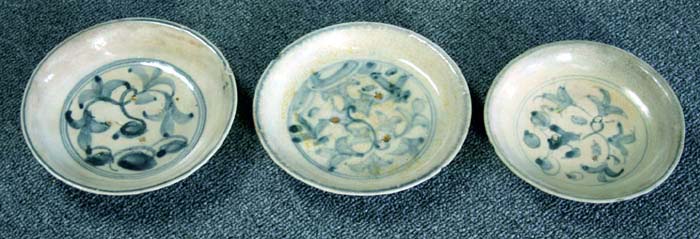
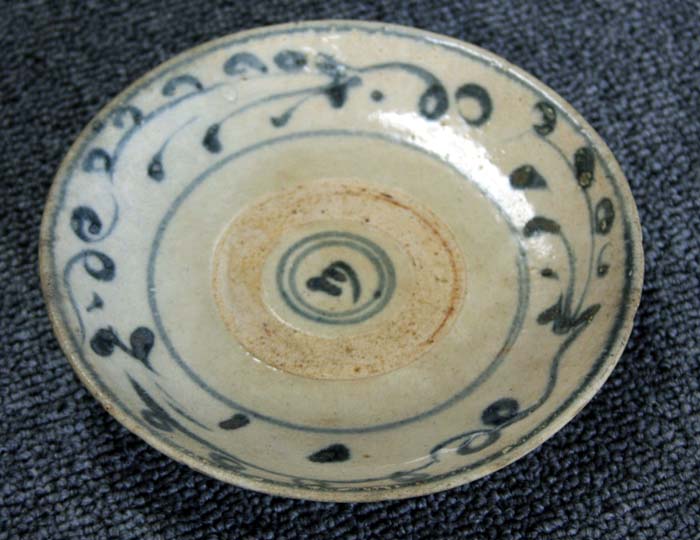
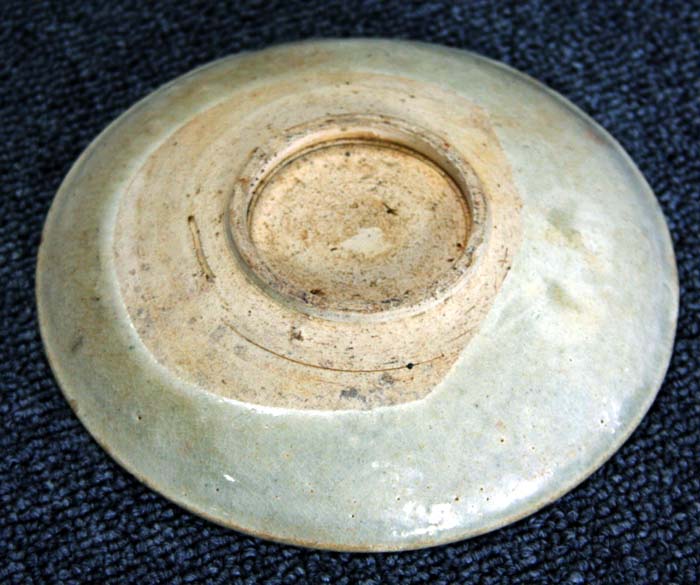
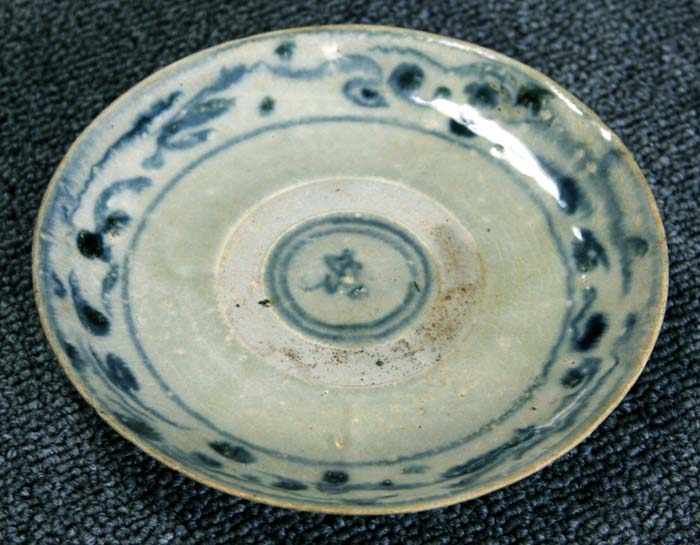
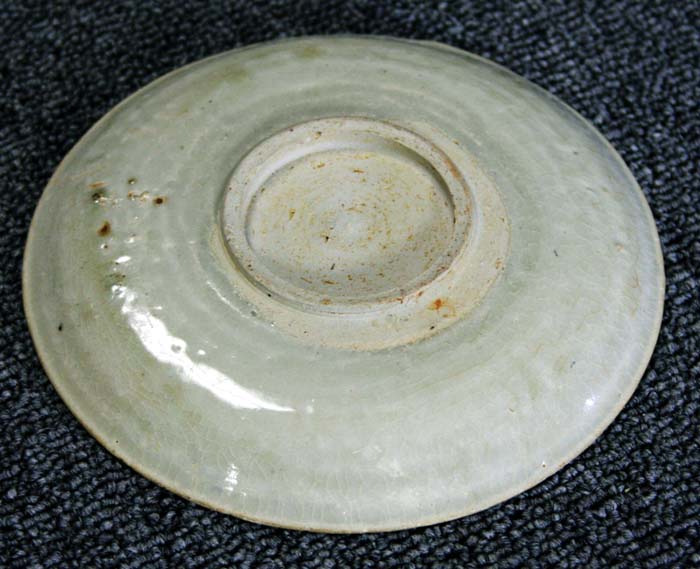
The blue and white motifs again showed clear influence of Hongzhi/Jiajing period blue and white period. Even the vessel form has become more similar to that produced in China.
 |
|
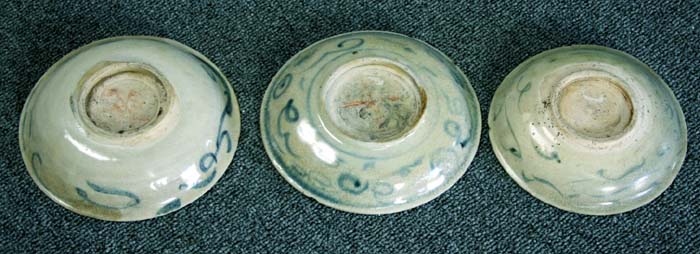 |
Mid/Late 16th Century blue and white plates. The motif on the left and right became more sketchy and abstract.
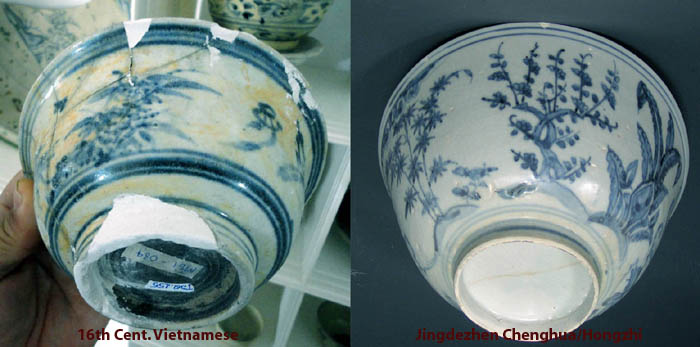
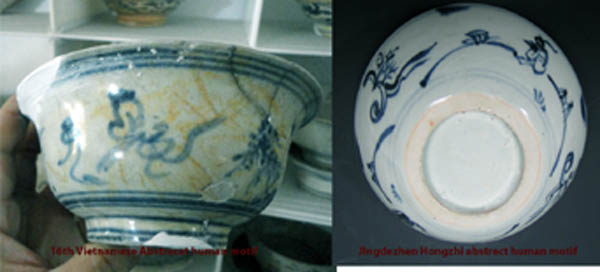
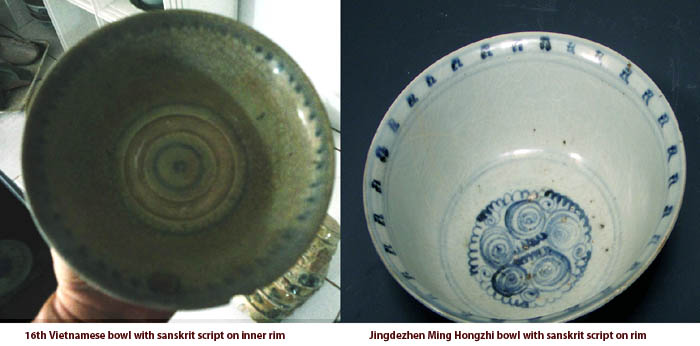
 |
 |
 |
 |
|
Late 16th/17th Cent. Vietnamese blue and white plates. Stylistically the abstract scrolls and a Chinese charater at the central base, are similar to those plates produced in China Guangdong and Fujian kilns
|
|
 |
 |
|
16th Century bowl with floral scroll.. Comparative to the those from the 15th Cent. , the quality of the drawing has deteriorated and appeared more sketchy. The foot has also became wide and taller. |
|
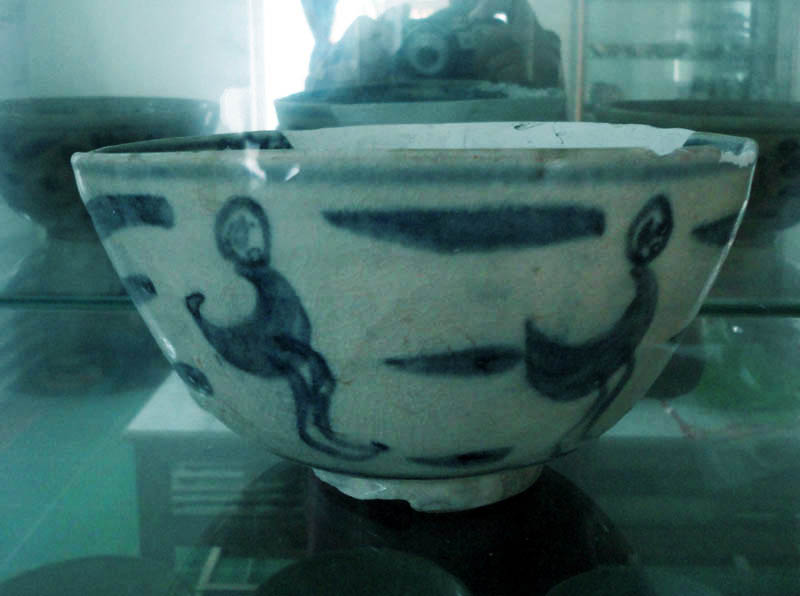
16th Cent. bowl with sketchy human motif
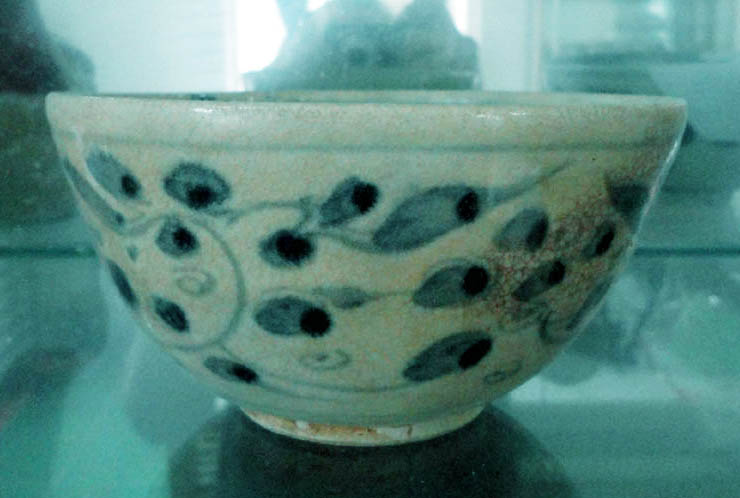
16th Cent. Vietnamese bowl with floral scrolls
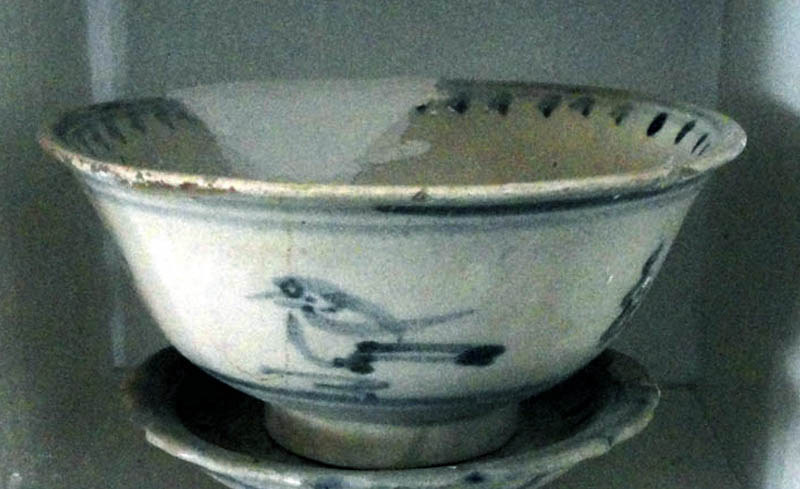
16th Cent. blue and white with bird motif
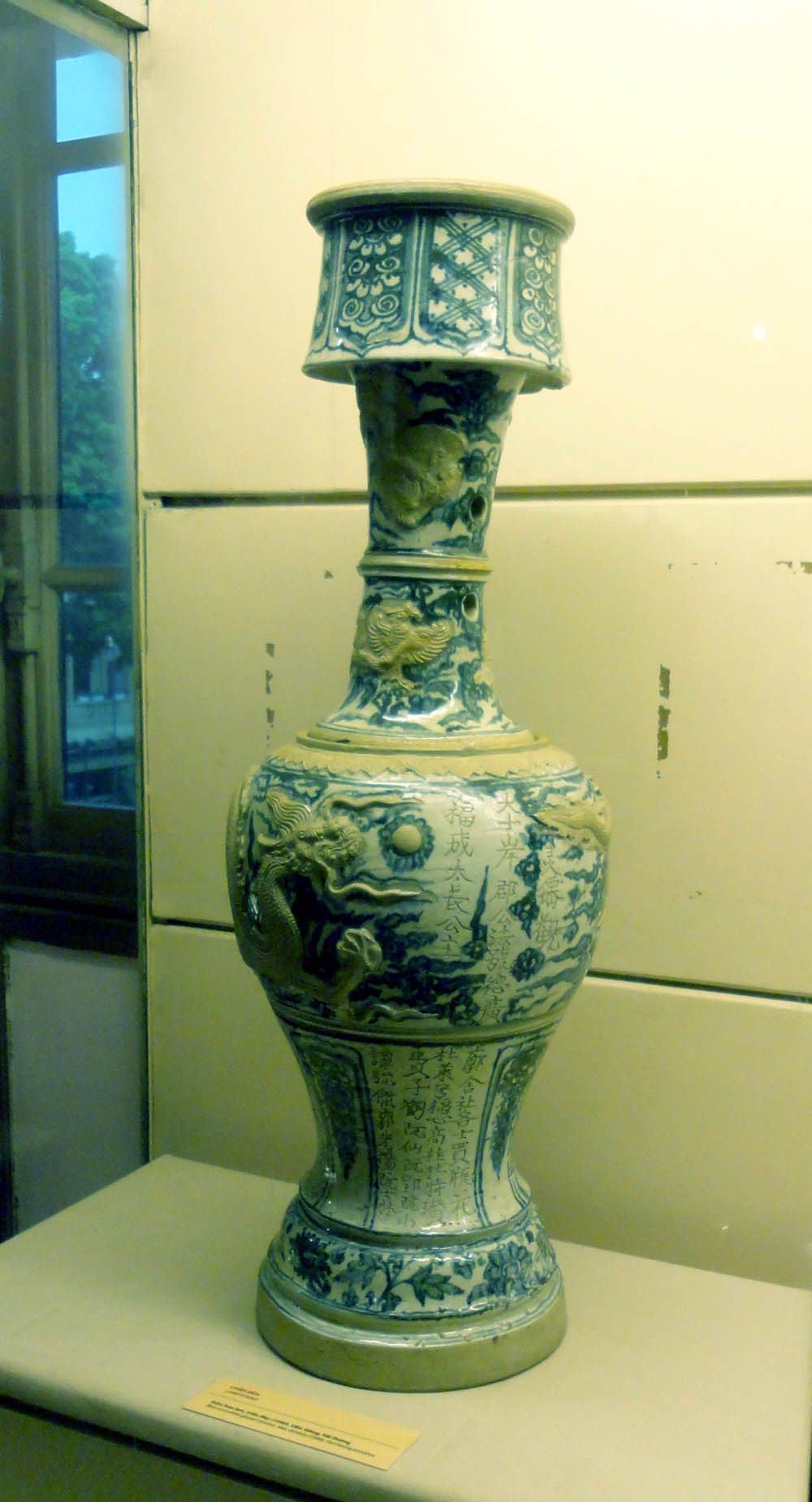
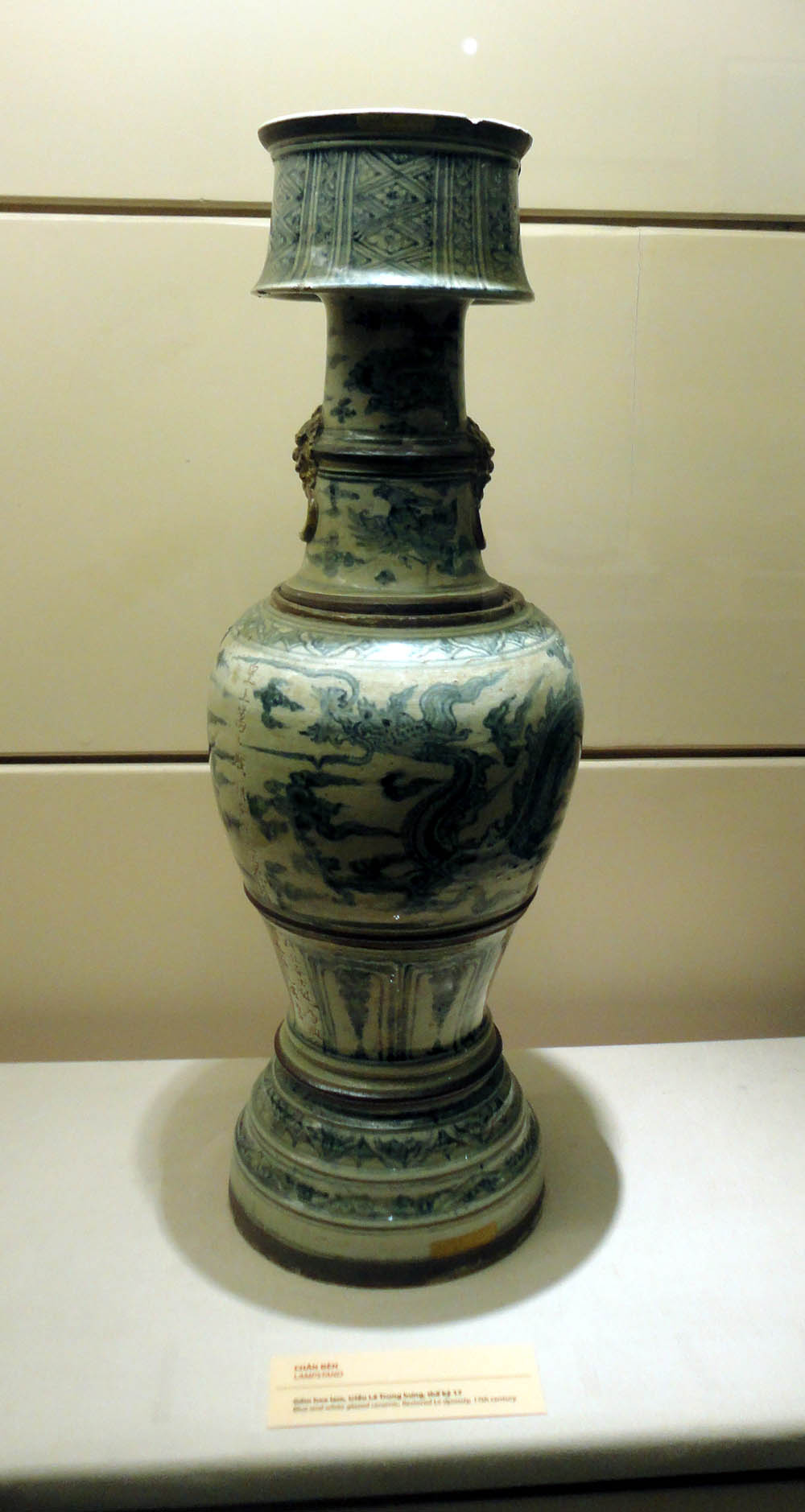
During the late 16th/17th century, unique ritual vessels such lampstand and incense burner were produced. Many have inscription which mentioned the date of production and the name of doner of the vessel. They are usually large and elaborately decorated. Many of them were produced in the Bat Trang kiln.
|
|
|
Blue and white lampstand dated 1580 A.D |
|
|
|
Blue and white lampstand dated 17th century |
 |
|
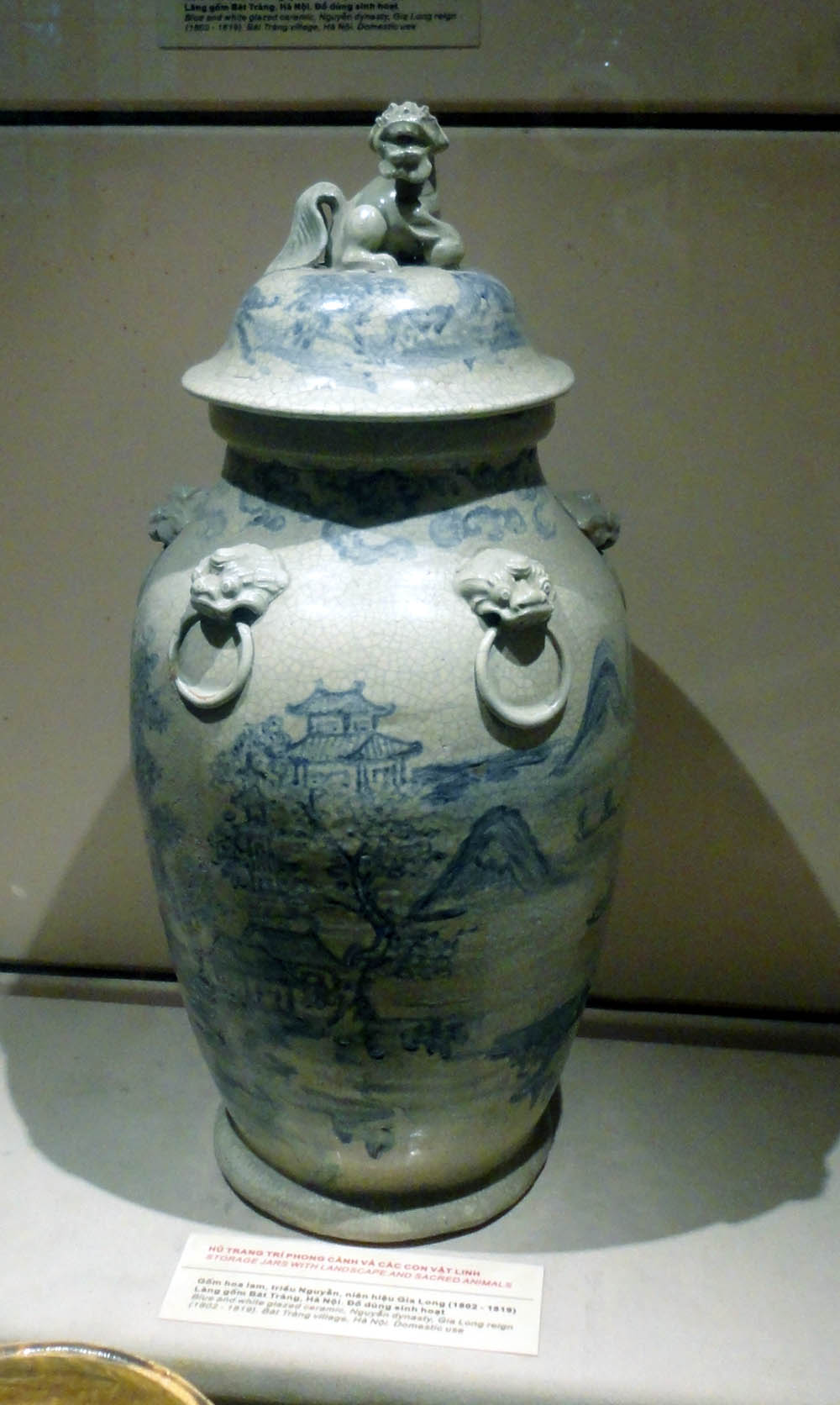
Blue and white Jar dated 19th century |
 |
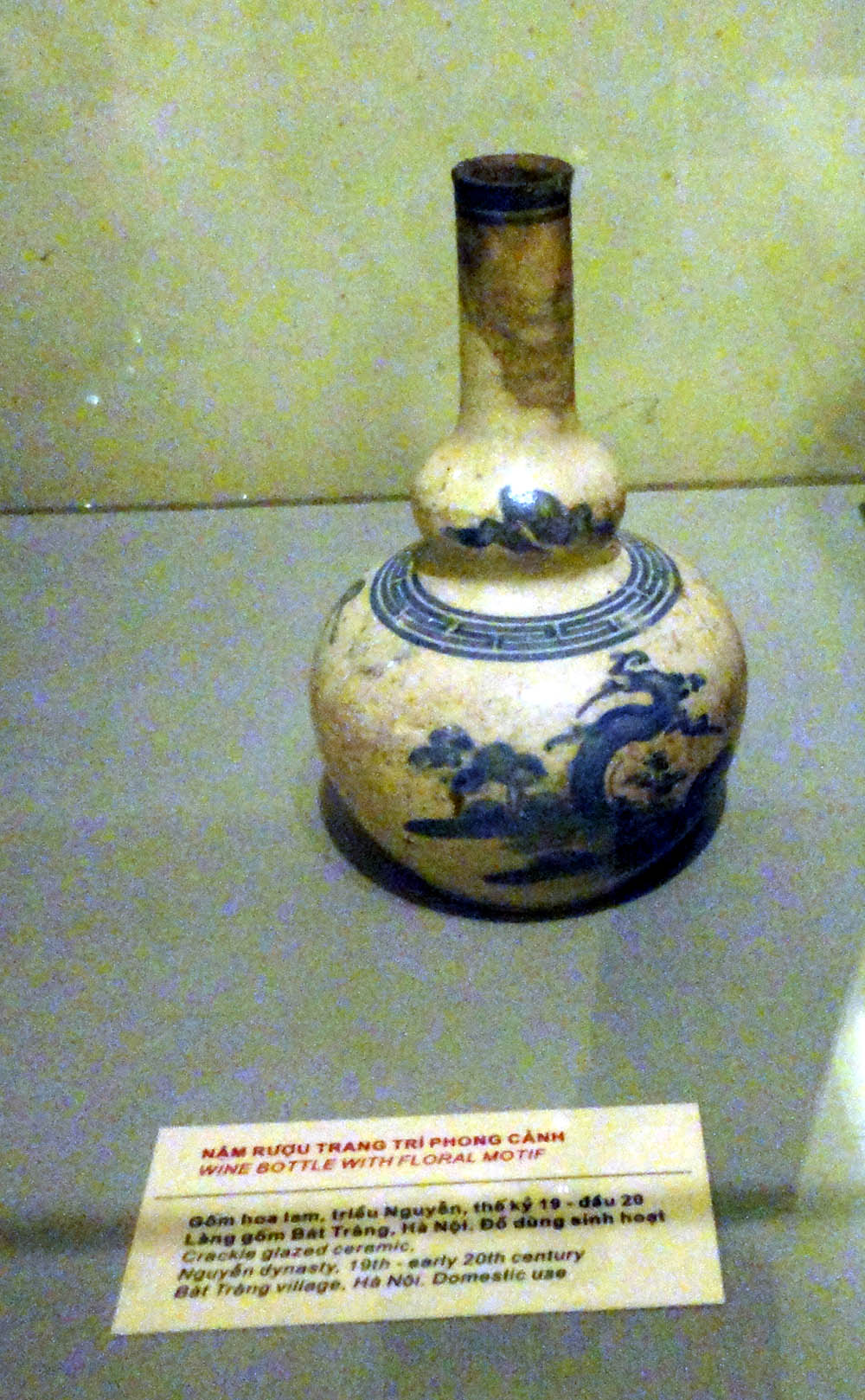 |
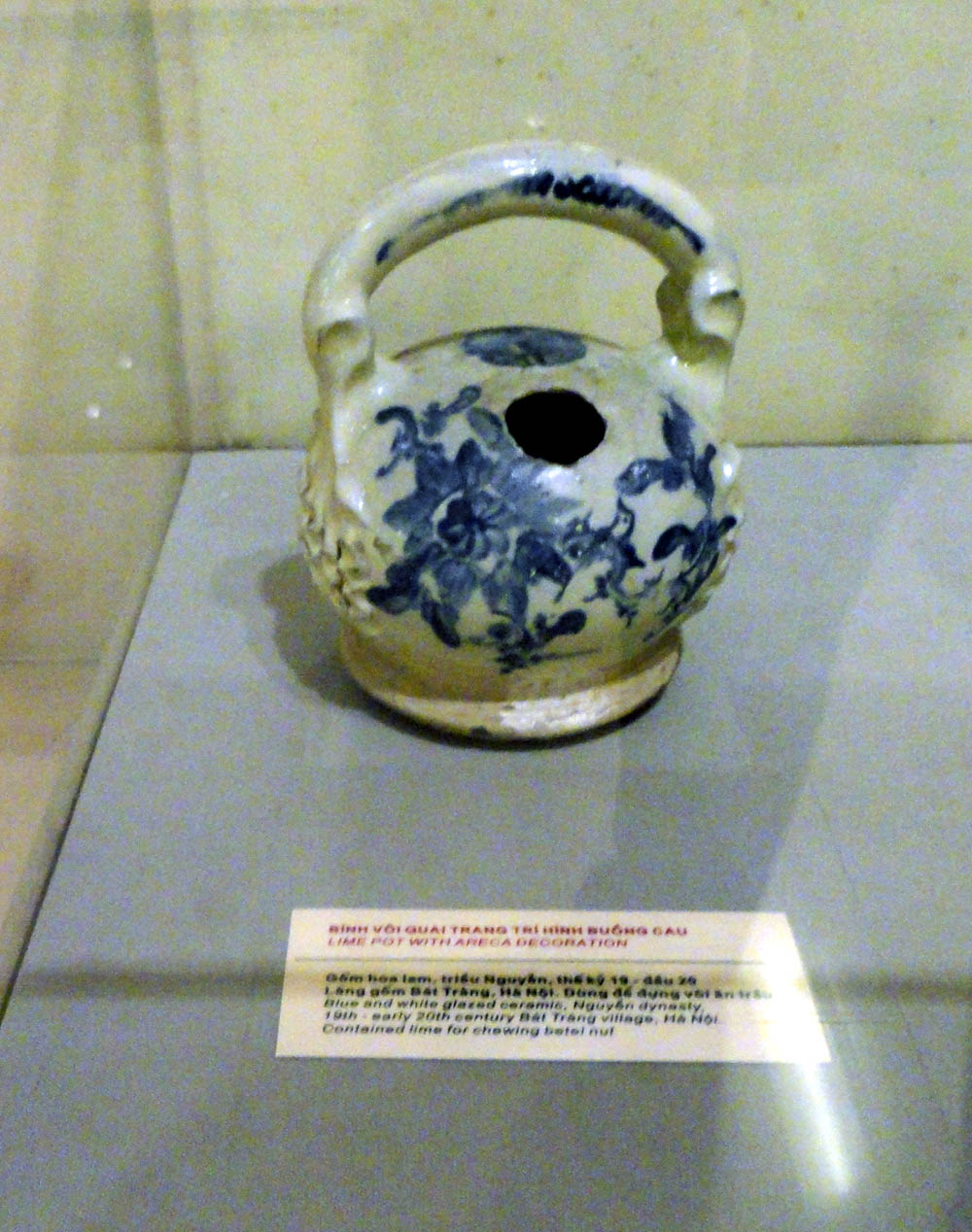
| Two examples of vessels dated to late 19th to early 20th century |
Vietnamese enamelled wares
The earliest blue and white with overglaze enamelled motif was first produced in China during the Xuande period. However, it only gained popularity during the Ming Chenghua period (A.D 1465 - 1488) in the form of Chenghua Doucai, ie essentially motif outlined in blue and the area within covered with overglaze enamels. Most of the Vietnamese enamelled wares are likely to date to second half 15th century to first half of 16th Century. The Vietnamese version has its own distinct character. Instead of covering the area within the blue outline with a even coat of enamel, the Vietnamese potter drew additional details in line form with overglaze enamels and some enhanced further with gold.
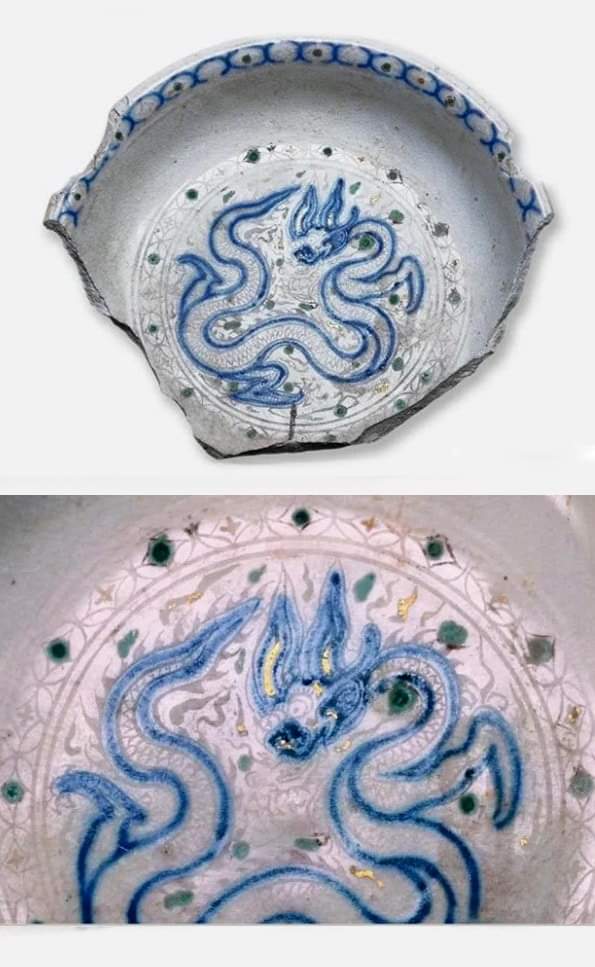
Example with traces of gold
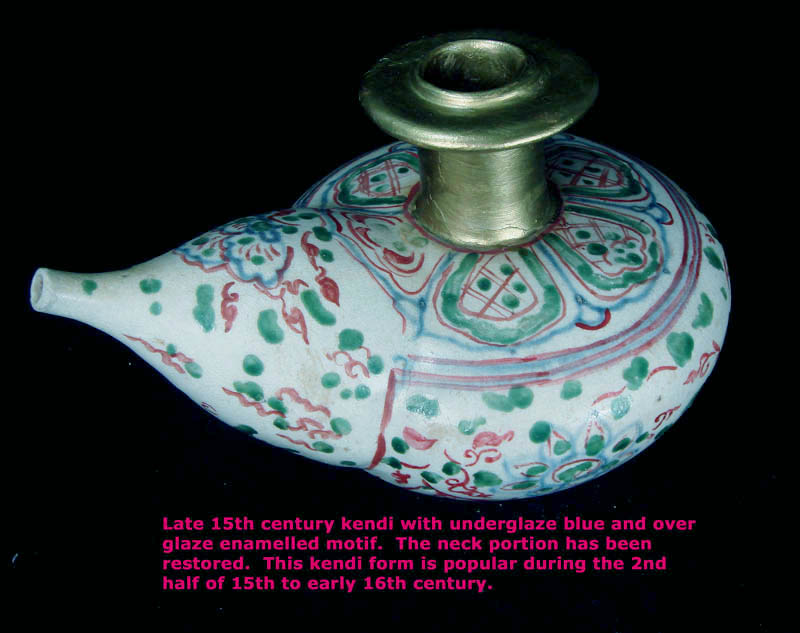
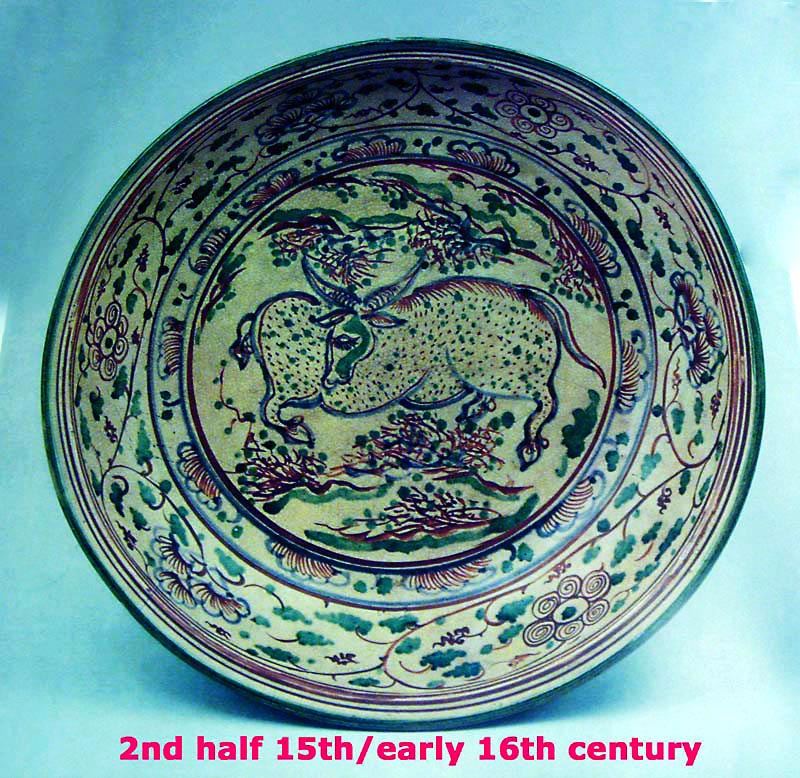
The Hoi an shipwreck also carried a substantial portion of such wares. Unfortunately, the overglaze enamels of majority of the pieces were badly degraded by the sea water.
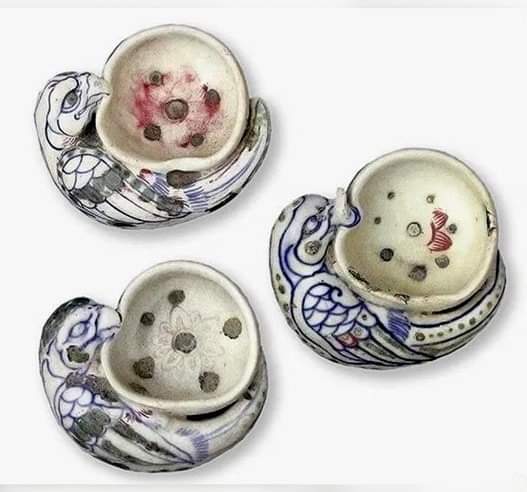
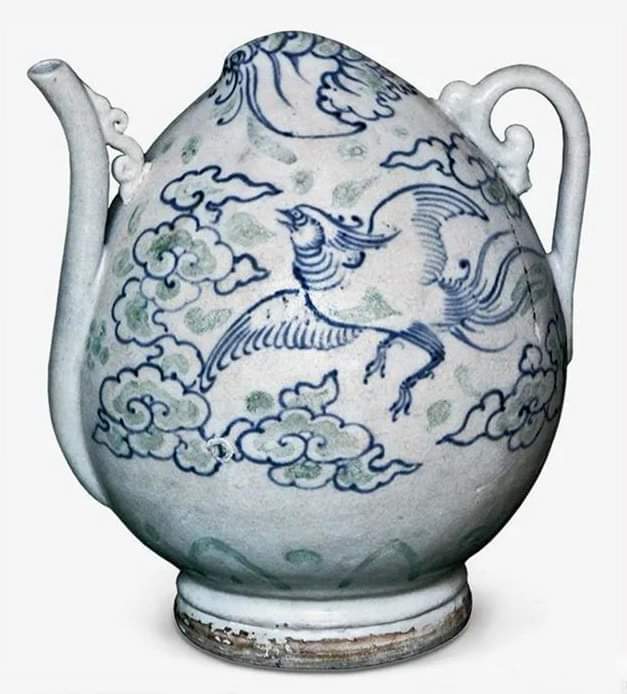
Brown glaze inlaid and Iron-brown painted wares
Please continue from here.
Vietnamese white/Qingbai/brown/celadon wares of 12th/14th Century
Please continue from here.
Written by : NK Koh (Updated 29 Nov 2010), updated: 9 Jun 2015